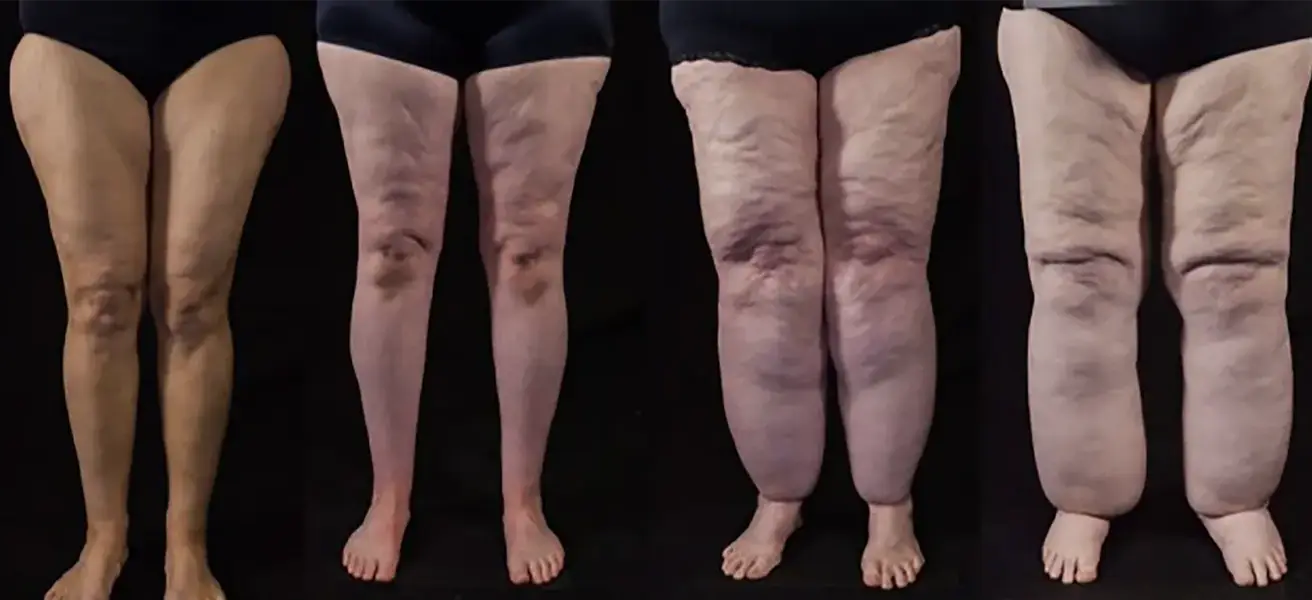
There is no one diagnostic protocol for lipedema. A clinical diagnosis by experienced doc must include patient’s detailed medical history & physical assessment.
October 28, 2026


Public parking available or drop off along Arab Street, Village Hotel Bugis (Previously known as Golden Landmark Hotel)
Buses (2, 12, 32, 33, 130, 133, 133A, 520, 960, NR7) MRT (alight at Bugis MRT station)


4D liposuction (Vaser Hi-Def lipo) sculpts muscle definition by removing deep and superficial fat. Learn the 4 dimensions, candidacy, recovery and results.

4D liposuction (also called Vaser Hi-Def lipo or liposculpture) is an ultrasound-assisted body contouring procedure. It removes fat from both deep and superficial layers to reveal the underlying muscle anatomy. The “4D” refers to four parameters the doctor sculpts: length, width, depth and dynamic motion. It suits people who are already fit and close to their goal weight, with good skin elasticity. It is not a weight-loss treatment.
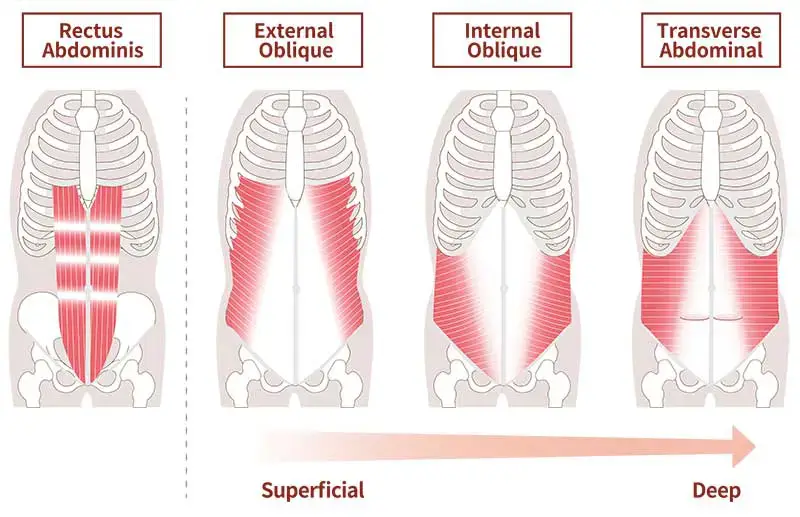
The four dimensions are the spatial and aesthetic parameters the doctor evaluates and sculpts:
| Dimension | What it means | Example |
|---|---|---|
| Length | The vertical extension of muscle definition | The vertical lines of a six-pack |
| Width | The horizontal spread and lateral contours of muscle groups | Obliques and waistline |
| Depth | Precise, multi-layer removal of fat from deep and superficial planes | Fat removed relative to skin and muscle |
| Dynamic Motion | How muscles, skin and shadows look and shift while the body moves | Natural definition in motion, not only in a static pose |
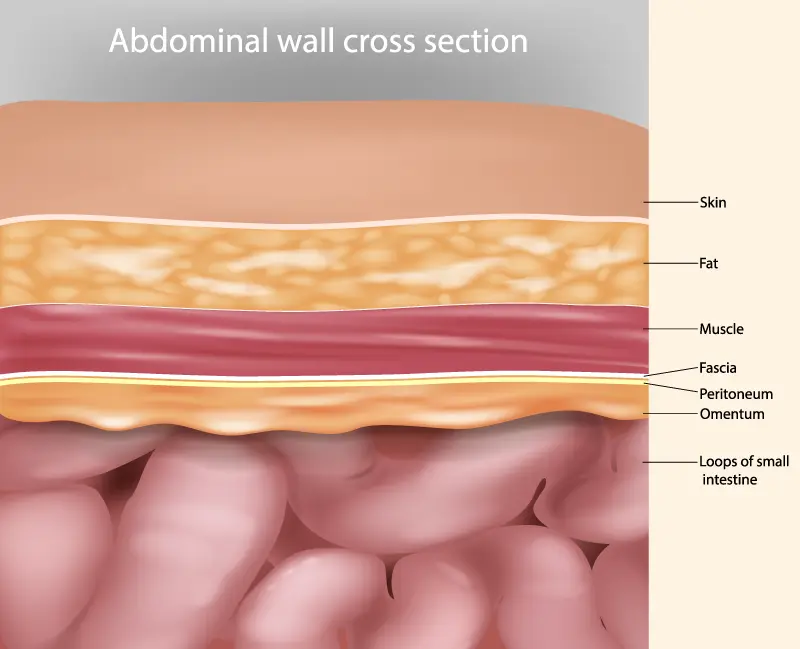
A study in Aesthetic Surgery Journal highlights that high-definition liposculpture is built on a detailed understanding of anatomy, particularly the superficial muscular aponeurotic system (SMAS) and its relationship to the overlying fat layers.
Because fat is distributed across several anatomical planes, the technique needs both technical skill and an artistic eye. The doctor visualises the final result and works backwards, removing only what is needed and preserving what creates natural definition from every angle.
By working selectively in multiple planes with specialised cannulas on the deep and superficial fat layers, doctors create shadows and highlights that mimic natural musculature. This requires knowing where the muscles lie, how light interacts with contours, how the skin redrapes, and how different body types respond to sculpting [1].
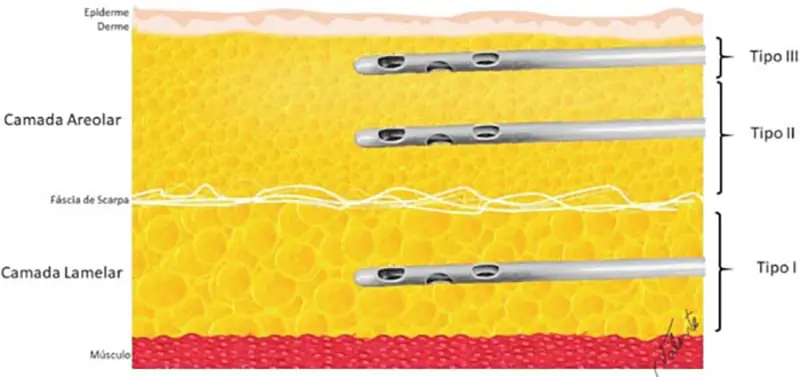
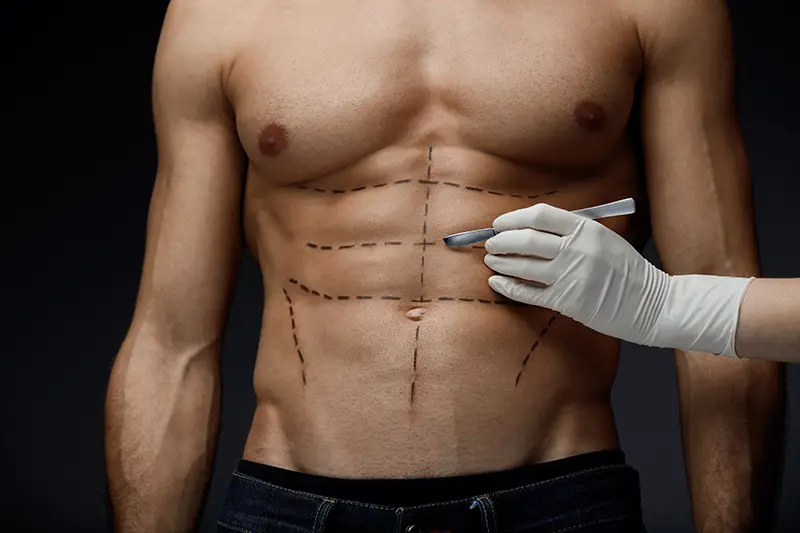
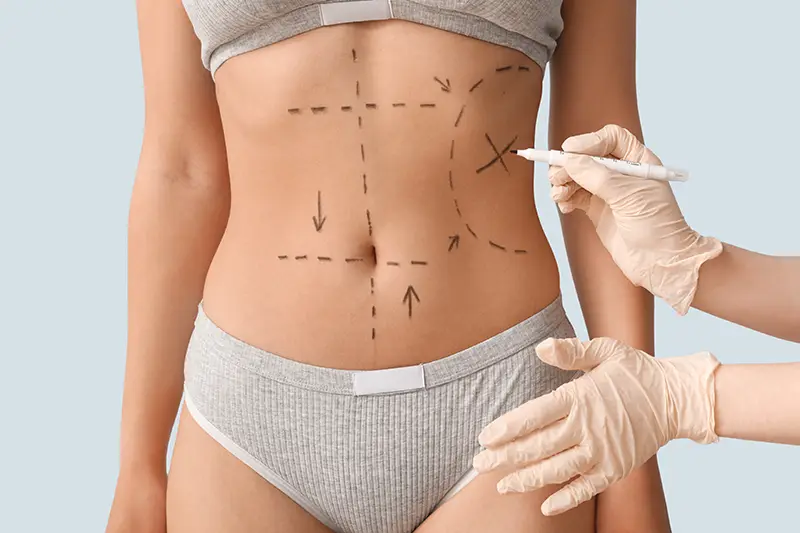
Traditional liposuction uses a manual cannula to mechanically break up and remove fat. Standard Vaser uses ultrasound energy to liquefy fat for smoother contouring, while 4D Vaser Hi-Def Lipo maps and etches around muscle groups to sculpt an athletic look.
| Feature | Traditional Lipo (SAL) | Standard Vaser Lipo | 4D Vaser Hi-Def Lipo |
|---|---|---|---|
| Core technology | Mechanical force and manual cannula movement | Ultrasound-assisted fat emulsification (VASER) | Vaser with 360-degree muscle mapping |
| Primary goal | General fat debulking and volume reduction | Fat removal and overall body contouring | Detailed muscle etching for an already-lean physique |
| Tissue trauma and bruising | Higher trauma to blood vessels and connective tissue; more bruising | Selective targeting spares nerves and blood vessels; less bruising | Minimal trauma, working across multiple fat layers including superficial |
| Skin retraction | None or minimal | Stimulates collagen, gradually tightening skin over 3–6 months | Advanced skin tightening and superficial contouring |
| Recovery to light activity | About 1–2 weeks for normal routines | About 5–7 days | About 5–7 days |
4D Vaser Hi-Def Lipo is designed for customised contouring, not debulking. The ideal candidate has:
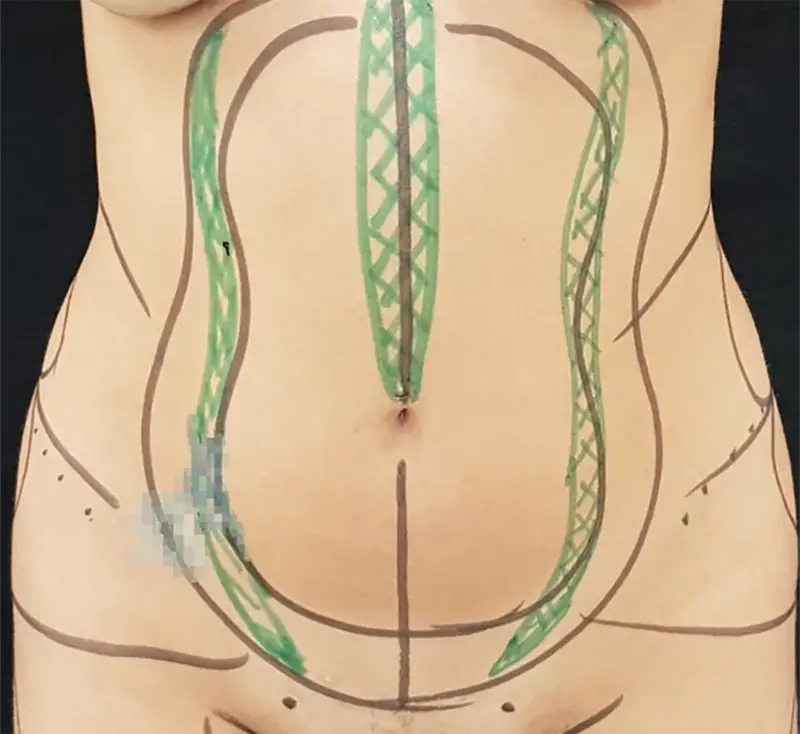

Men and women usually seek different outcomes because of natural muscle anatomy, cultural ideals and beauty standards.
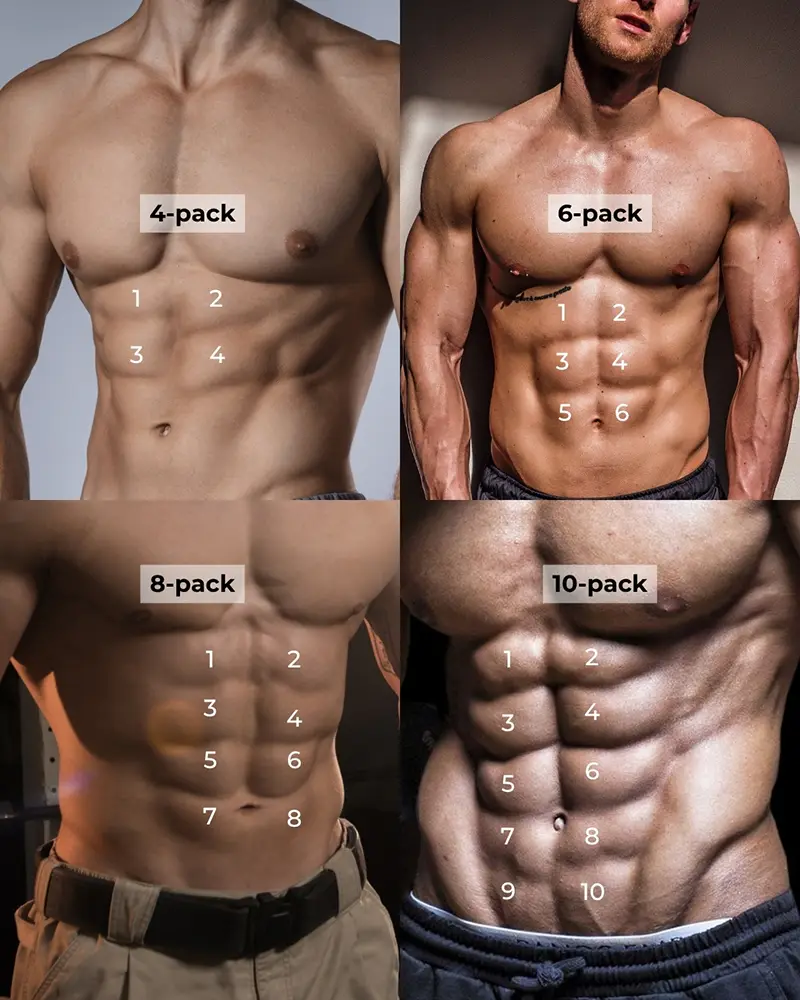
The final pattern is not chosen by the patient alone. Abs are as unique as the person, shaped by genes, lifestyle and age, so the doctor designs around your natural anatomy. For men, tendinous intersections of the rectus are often marked with slight misalignment for a more natural, non-artificial look.
“The best results come from working with your body’s natural shape. When combined with fitness, high-definition liposuction can reveal your most authentic, athletic physique, one that lasts through life’s ups and downs.” — Dr Ivan Puah
Vaser-assisted high-definition liposculpture is an aggressive approach that lets doctors sculpt superficial tissues and define 3-dimensional surface musculature in a wide range of patients. It is also difficult and time-consuming, with a steep learning curve, and is appropriate only for highly experienced surgeons [2].
4D liposuction, or Vaser Hi-Def lipo, is an ultrasound-assisted procedure that removes deep and superficial fat to define muscle contours such as abs, obliques and waist.
Most patients return to light activities after about one week. Mild swelling is normal and settles gradually.
Wear compression garments and follow the lymphatic drainage protocol. A personalised care plan is provided to support healing and comfort.
A collaborative consultation in which Dr Puah analyses your anatomy and goals to design a plan that enhances your natural physique.
No. Visible washboard abs generally appear only at low body fat. Some people are toned but still cannot reach that definition through training alone, and 4D Vaser Hi-Def Lipo can help target stubborn fat that resists diet and training, refining an already fit body by revealing muscle definition the fat was masking. It does not replace a healthy lifestyle.
No. It reveals existing muscle and does not build it. It is designed for people who are already lean and toned.
Standard Vaser Lipo liquefies fat for smoother overall contouring. 4D Vaser Hi-Def Lipo adds 360-degree muscle mapping and superficial-layer sculpting to etch muscle detail.