


Under eye fat transfer costs from S$3,500 in Singapore and lasts years. Compare it to tear trough fillers, see recovery timeline & FAQs.
September 19, 2026


Public parking available or drop off along Arab Street, Village Hotel Bugis (Previously known as Golden Landmark Hotel)
Buses (2, 12, 32, 33, 130, 133, 133A, 520, 960, NR7) MRT (alight at Bugis MRT station)


Under eye fat transfer costs from S$3,500 in Singapore and lasts years. Compare it to tear trough fillers, see recovery timeline & FAQs.

Under eye fat transfer (periorbital fat grafting) costs from S$3,500 in Singapore, takes 2–3 hours, and uses the patient's own fat to permanently restore volume under sunken or hollowed eyes, unlike tear trough fillers, which last 6 months to 2 years and start from S$600. Below is a complete breakdown of causes, costs, recovery timeline, and how it compares to fillers.
| Question | Answer |
|---|---|
| What is it? | A surgical technique that harvests a patient's own fat and re-injects it under the eyes to restore lost volume |
| Cost in Singapore | From S$3,500 (varies by surgeon expertise, anesthesia, and facility fees) |
| Procedure time | 2–3 hours |
| Downtime / recovery | Swelling peaks in the first hours; most subsides within 2 weeks |
| How long results last | Many years, with roughly 50–70% of transferred fat surviving long-term [15] |
| Best for | Hollow tear troughs, dark circles from volume loss, sagging cheeks |
| Not suitable for | Puffy Under eyes (already-bulging fat pads) |
Under eye hollows and dark circles are caused by shadows forming where volume has been lost, not just pigmentation. In a survey of practitioners, patients most commonly raised concerns about Under eye hollows (91%), dark circles (80%), and a generally tired appearance (60%) [1]. Research points to the following causes:
Depression actively depletes the body through sleep disruption, dehydration, elevated stress hormones, and poor nutrition, each of which strips volume and color from the delicate periorbital tissue [2].
Rapid or excessive weight loss reduces the fat pads and soft-tissue support around the eyes, making protruding fat or the tear trough more visible and reducing the skin support that normally softens the Under eye contour [10].
A lack of essential vitamins and minerals breaks down the skin's structure and reduces facial volume. Insufficient water intake reduces skin plumpness, while poor fluid and electrolyte balance causes skin to lose elasticity and shrink around the eyes [12].
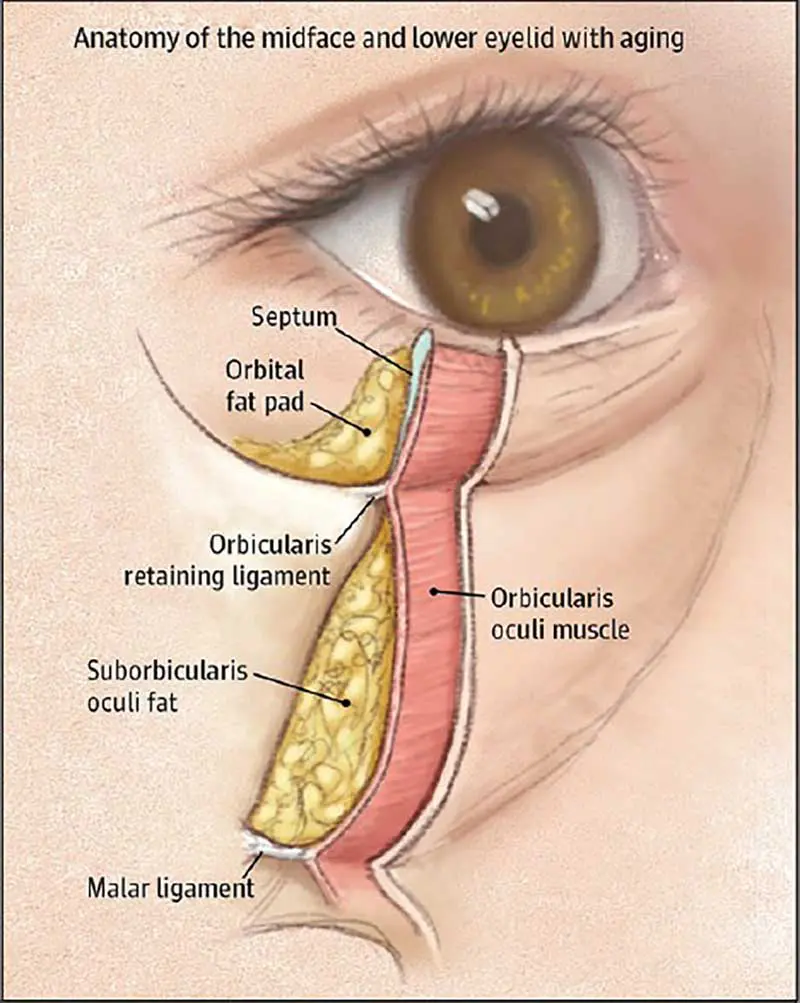
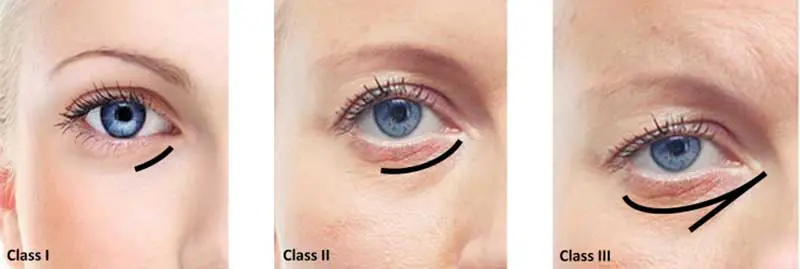
Volume loss under the eyes forms a "tear trough,” a depression under the eye that creates a shadow. This tear trough depression is a defining feature of eyelid and midface ageing [3]. While ageing is the primary driver, some people are born with a naturally deeper tear trough.
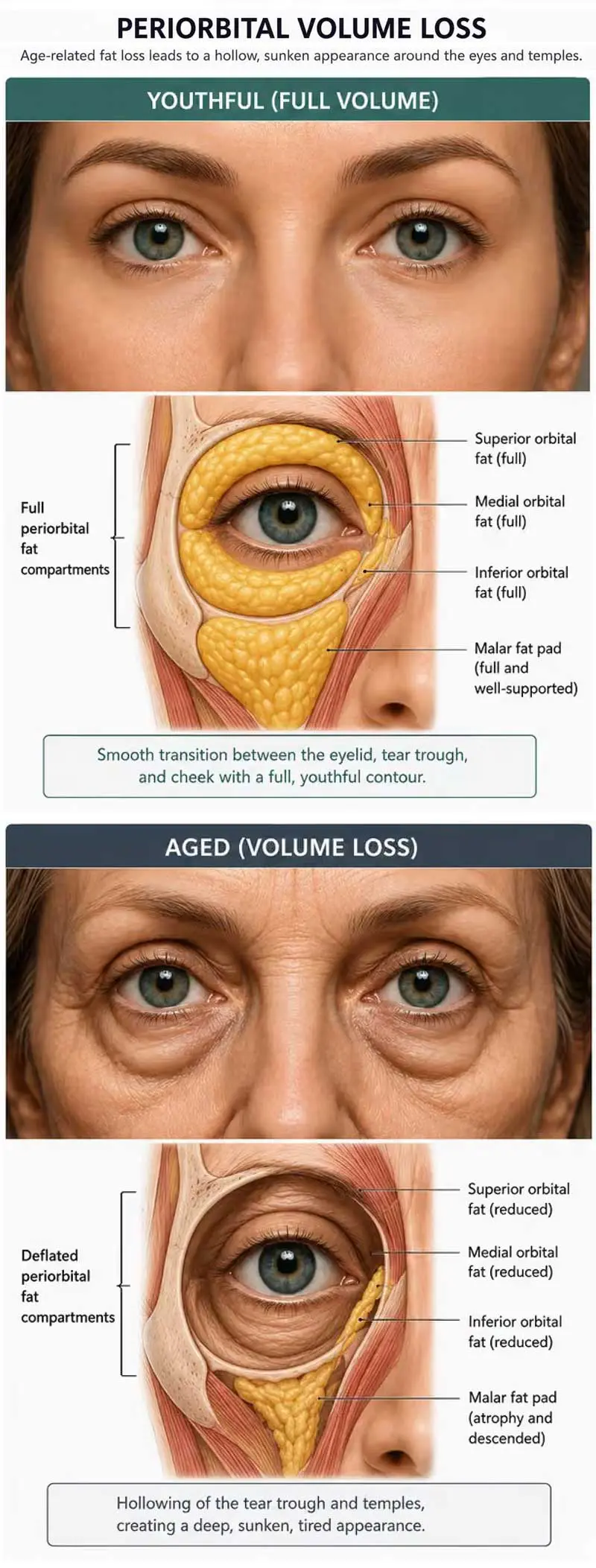
As the body's ability to produce new collagen declines with age, the skin's support network weakens, allowing the Under eye area to sag and hollow [4].
Overexposure to the sun and repeated eye rubbing can trigger melanin overproduction. Because the skin around the eyes is the thinnest on the body, underlying engorged blood vessels and discolouration show through more easily [5].
Lack of sleep can make skin paler and more translucent, making the blood vessels underneath more visible. In a study of 24 healthy women, a single night of sleep deprivation significantly reduced skin hydration, elasticity, and barrier function, enlarged pores, lightened skin tone, and reduced blood flow, confirming a clear link between poor sleep and adverse skin changes [8].
Excessive caffeine and alcohol intake causes dehydration, which makes blood vessels swell and become more visible. These substances can also contribute to eye problems ranging from mild dryness and redness to more serious conditions [9].
Natural bone structure and facial anatomy can predispose some people to deeper eye sockets or thinner Under eye skin, and some dark circles are simply hereditary pigmentation [11].
Smoking increases free-radical generation and reduces antioxidant levels in the blood, aqueous humour, and ocular tissue, while also constricting blood vessels, the resulting poor circulation makes vessels appear darker and more prominent [6, 7].
Allergic shiners are dark, purplish-blue circles caused by chronic nasal and sinus congestion. Congestion causes blood to pool under the eyes and triggers inflammation and enlargement of Under eye blood vessels, deepening the shadowed look [13].
Iron deficiency leads to anemia, which causes pale skin and poor blood flow, making dark shadows and hollows far more noticeable [14].
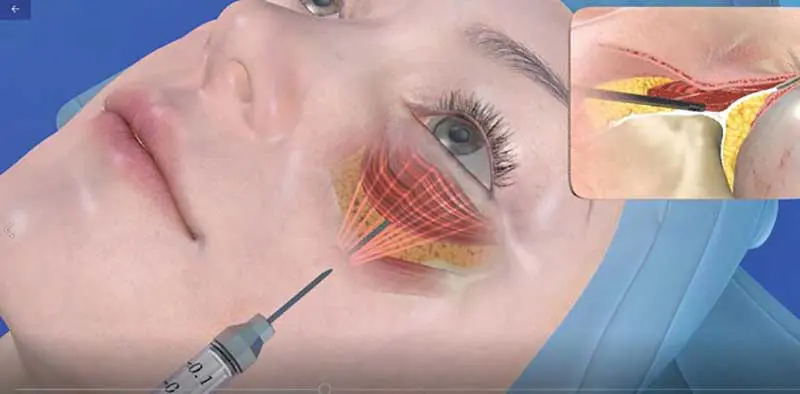
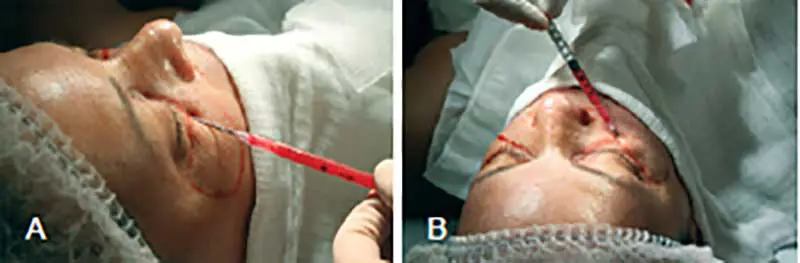
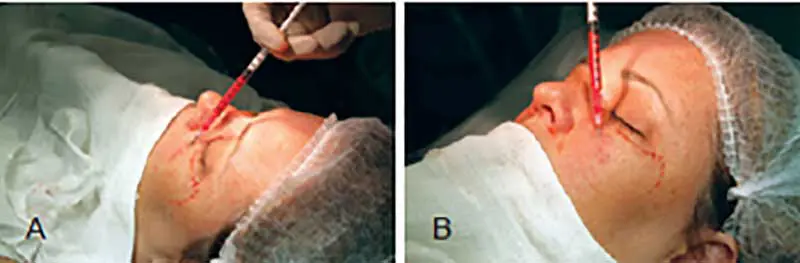
Under eye fat transfer, also called periorbital fat grafting, is a surgical volume-restoration technique that uses a patient's own fat to correct sunken, hollow eyes and fat-loss–related dark circles.
Fat (adipose tissue) is considered the closest, most biocompatible filler available for facial volume restoration. Small amounts of fat are harvested from the thigh or abdomen, purified, and re-injected around the eyes, cheeks, or jawline using a microdroplet technique. Because the fat comes from the patient's own body, rejection risk is low and results tend to look natural.
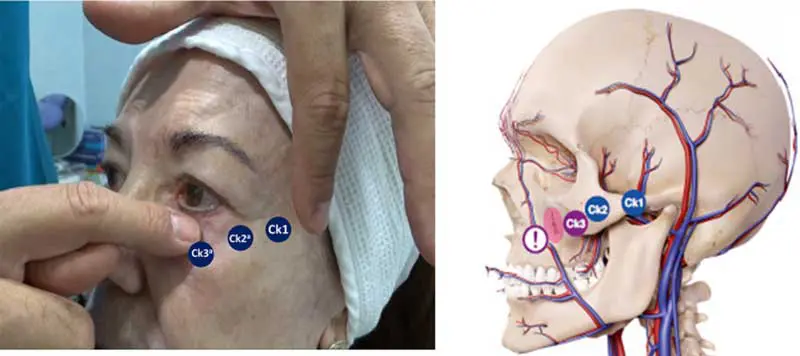
The right choice depends on how long you want results to last, your tolerance for downtime, and whether you want a surgical or non-surgical option.
| Factor | Periorbital Fat Grafting | Tear Trough Fillers |
|---|---|---|
| Cost (Singapore) | From S$3,500, depending on surgeon expertise, anesthesia fee, facility fees, and harvesting technique | From S$600, depending on filler brand, doctor's expertise, and clinic location |
| Overview | Surgical procedure harvesting fat (often from the abdomen or thighs) and injecting it into the periorbital region to restore volume | Dermal fillers injected into the periorbital area to add volume, smooth wrinkles, and reduce dark circles |
| Treatment duration | 2–3 hours | 1 hour, including numbing cream application |
| Natural results | Since the fat is from the patient's own body, it tends to integrate well for a natural look | Depends heavily on filler choice and injector skill |
| Longevity | Many years | 6 months to 2 years, requiring repeat treatments |
| Additional benefits | Can also improve broader facial contours | Multiple areas (chin, cheeks) can be treated in the same sitting |
| Risks | Surgical risks such as infection, scarring, or anesthesia-related complications | Risk depends on injector skill; poor technique can cause complications or suboptimal results |
| Immediate improvement | Initial swelling and bruising; longer recovery time | Improvement is typically visible immediately |
| Reversibility | Cannot be easily or completely reversed | Many fillers can be dissolved |
| Side effects | Not all injected fat cells survive long-term, which can cause uneven results | Swelling, bruising, and, rarely, allergic reactions or vascular occlusion |
| Post-Op Period | Swelling | Bruising |
|---|---|---|
| Immediate | Peaks within the first few hours; the Under eye area may look puffy and slightly red | May appear shortly after the procedure; gentle ice packs in 15-minute intervals can reduce severity |
| Days 2–5 | Gradually decreases, with puffiness fluctuating through the day; continued ice packs help | Colour shifts from red to purple to yellow as it heals; avoid strenuous activity that increases blood flow |
| Days 5–14 | Noticeably reduced, though some residual puffiness may linger; sleeping with your head elevated helps | Progressively fades; topical arnica or vitamin K creams can support healing |
| 1 Month and Beyond | Most swelling resolves by the end of week two, though slight puffiness can linger longer in some people | Typically fully resolved within two weeks; if it persists longer, consult your surgeon |
General aftercare tips:
Results from under eye fat transfer can last many years, making it one of the more durable options for correcting hollow eyes. Outcomes vary based on the amount of fat grafted, how well the body absorbs the transferred fat, and the patient's overall health, but studies suggest roughly 50–70% of transferred fat survives after the initial healing process [15].
While not a permanent solution, results with proper skincare and maintenance often outlast temporary filler options. Ageing, weight fluctuations, and lifestyle choices can still affect how long results hold, so following your surgeon's post-operative care instructions is key to optimising fat retention.
Beyond the Under eye area, facial fat grafting can treat the temples, forehead, brow, lower eyelid, cheeks, mid-face, buccal recess, nasolabial folds, and other regions.
The procedure is repeatable as long as the patient has sufficient fat stores for the doctor to harvest from, since the fat filler is sourced directly from the patient's own body with low donor-site morbidity.
Most patients can apply light eye makeup 1 to 2 weeks after the procedure, once incisions are fully closed and the surgeon confirms clearance.
It depends on your aesthetic goals, preference for a surgical versus minimally invasive option, and your candidacy for each treatment. Consult a doctor experienced in both facial fat grafting and dermal filler injection to determine the best fit for you and your condition.
No. Under eye fat transfer is not recommended for puffy eyes, since adding more fat to an already bulging area will worsen the puffiness rather than improve it.


