Facial fat grafting is widely considered safe, with an assumed ~2% complication rate. Compare risks vs. fillers, side effects, and how to choose a doctor.
October 20, 2026


Public parking available or drop off along Arab Street, Village Hotel Bugis (Previously known as Golden Landmark Hotel)
Buses (2, 12, 32, 33, 130, 133, 133A, 520, 960, NR7) MRT (alight at Bugis MRT station)


Facial fat grafting is widely considered safe, with an assumed ~2% complication rate. Compare risks vs. fillers, side effects, and how to choose a doctor.
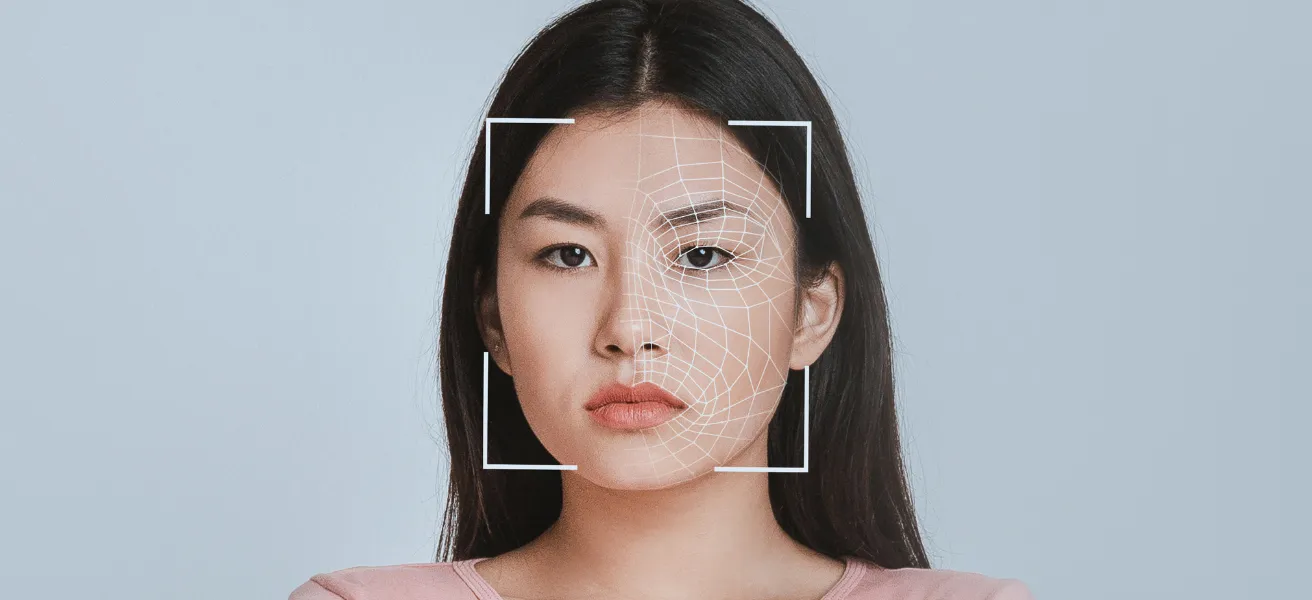
Facial fat grafting is generally considered safe because it uses your own fat, which eliminates the risk of allergic reaction or rejection. Serious complications, such as fat entering a blood vessel, are rare but can be severe, so doctor skill matters.
Facial fat grafting (also called fat transfer or lipofilling) takes fat from your own body, processes it, and injects it into the face to restore volume lost to ageing or atrophy. Autologous fat is accessible, biocompatible, inexpensive, and improves both volume and skin quality [1]. More than half a million facial fat grafting procedures are performed worldwide every year, and the number is rising rapidly [1].
These types are defined by cannula size and filter-cartridge preparation, which determine parcel size and cell type [6].
Fat is considered an ideal filler because it is autologous, biocompatible, available in sufficient quantity in most patients, integrates naturally into host tissue, is removable if necessary, and is potentially permanent [4, 5]. It is the preferred soft-tissue filler for correcting facial atrophy, giving an ageing face a more youthful, healthy appearance [6].
Safe does not mean risk-free. Like any surgery, it carries risks of infection, bleeding, and anaesthesia complications.
| Factor | Dermal Fillers | Facial Fat Grafting |
|---|---|---|
| Material | Hyaluronic acid (Juvéderm®) Restylane® Belotero® Definisse®) Calcium hydroxylapatite (Radiesse®) Polyalkylimide (Aquamid®) Polylactic acid (Sculptra®) | Patient’s own fat |
| Longevity | 6–18 months, depending on the filler | Many years, even decades |
| Allergic reaction / rejection | Generally rare with FDA-approved products, but possible | Unlikely, as it is your own tissue |
| Main risks | Bruising, swelling, discomfort; rarely vascular occlusion causing tissue necrosis or vision impairment | Surgical risks (infection, bleeding, anaesthesia); fat necrosis; intravascular injection (rare) |
| Migration | Possible, depending on the types of fillers used and the amount injected | Settled fat grafts are unlikely to migrate [2] |
| Absorption | HA fillers break down over 6–18 months, though imaging suggests traces or cross-linked fragments can persist longer in deep tissue [3] | Absorption rates vary for different patients. Once the fat grafts stabilise, the results will last for years or even decades |
| Downtime | Minimal | A few days to a week |
Expected (not classed as complications): Swelling, bruising, tingling, and temporary numbness at the donor and grafted sites [7].
Complications are categorised by severity. The percentages below show how reported complications were distributed across categories in the review, not the chance that a patient will experience them [7]:
| Area | Evidence |
|---|---|
| Eyelid and periorbital area | High satisfaction; fat grafting may be performed safely for periorbital rejuvenation and reconstruction [9] |
| Temples, cheeks, periocular hollows, lean or ageing face, asymmetry | Improved contour in most patients; fewer than 4.8% were unsatisfied [13] |
| Durability | Once the fat grafts settle down and become stable, the results may last for years and even decades. |
Doctor skill is the key modifiable safety factor. A good doctor should:
It is generally considered safe because it uses your own tissue, with an assumed overall complication rate of about 2%. The true rate is unknown, and serious complications, though rare, can occur [7, 8].
Results can last from a few years to decades.
Fillers last 6–18 months and carry a small risk of allergic reaction or vascular occlusion. Fat grafting lasts longer and is biocompatible, but it is a surgical procedure with a longer recovery of a few days to a week [3].
Intravascular injection, where fat enters a blood vessel. It is rare but can cause permanent disability or death [7].
Swelling, bruising, tingling, and temporary numbness are expected. Oedema or redness can be normal for 14 to 21 days [7].
Yes. Studies report high satisfaction and no severe complications for periorbital rejuvenation [9].
Possibly. More than one injection may be needed depending on patients’ expectation and fat re-absorption rate.