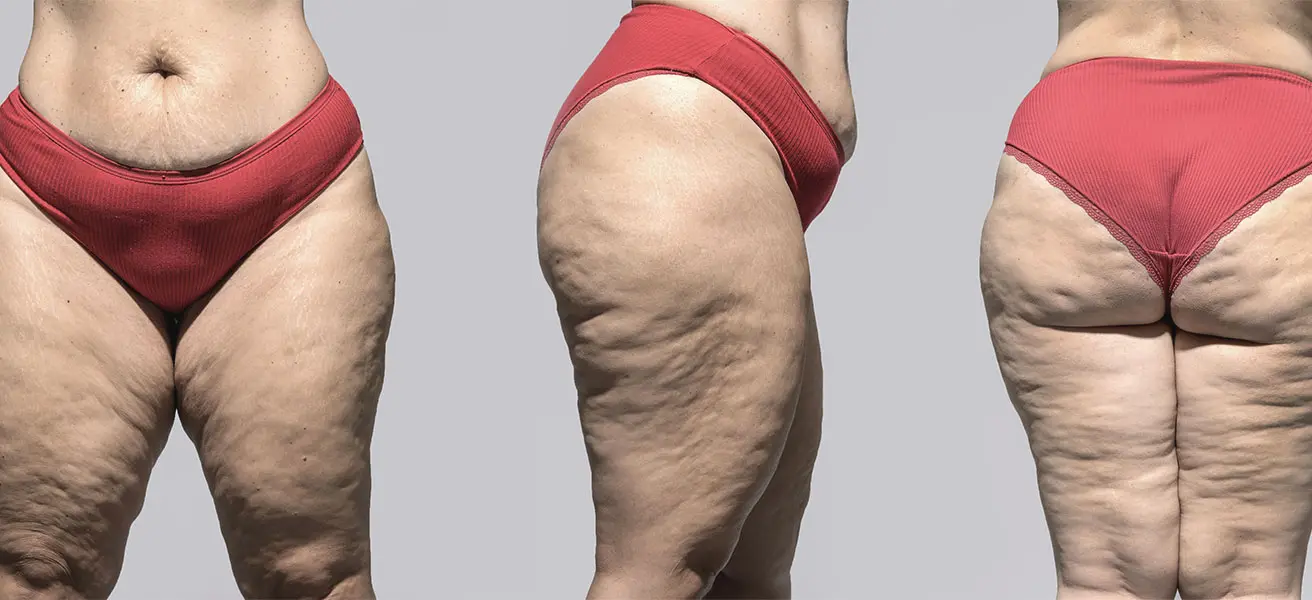
Tummy tuck or liposuction? Compare techniques, cost, recovery and candidacy. Reviewed by Dr Ivan Puah, Singapore.
October 26, 2026


Public parking available or drop off along Arab Street, Village Hotel Bugis (Previously known as Golden Landmark Hotel)
Buses (2, 12, 32, 33, 130, 133, 133A, 520, 960, NR7) MRT (alight at Bugis MRT station)


Who qualifies for breast fat transfer in Singapore? Check health criteria, donor fat, contraindications and timing after pregnancy.
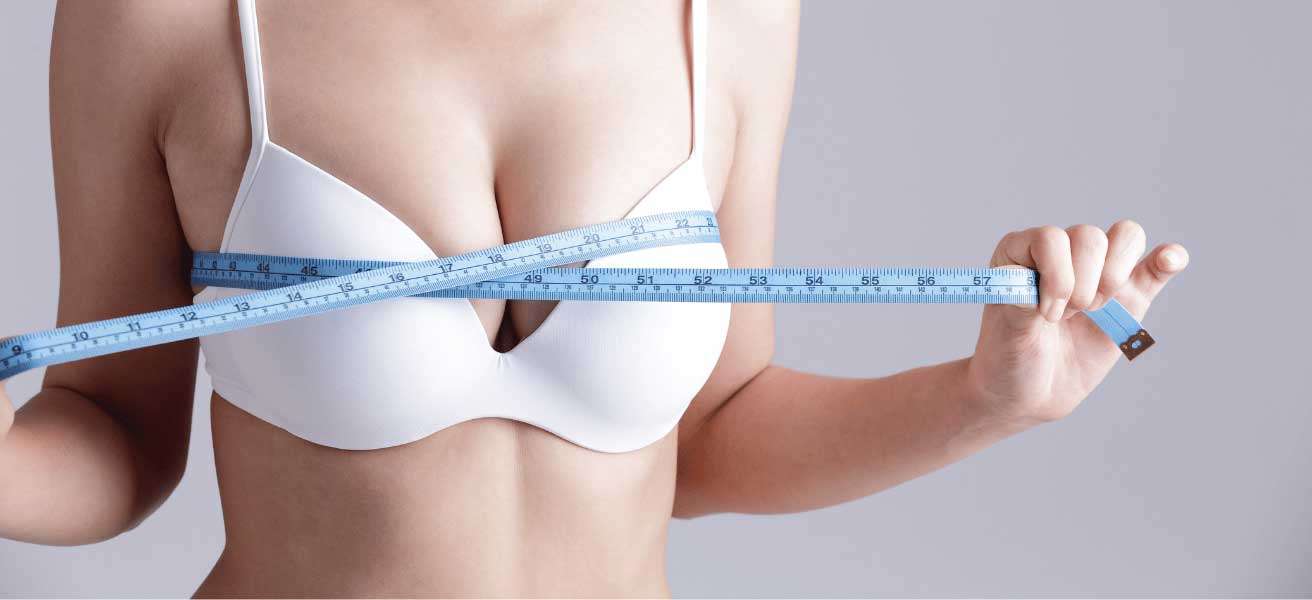
You are likely a good candidate for breast fat transfer if you are in good general health, have enough excess fat to harvest, want a modest and natural-looking increase, and do not have a condition that raises surgical risk, such as a clotting disorder or uncontrolled diabetes. Final suitability is confirmed at a consultation with an accredited doctor.
Breast fat transfer, also called autologous fat grafting or lipofilling, moves fat from one part of your body, commonly the thighs, abdomen or hips, to your breasts. The fat is harvested by liposuction, purified and injected into the breast. Because it uses your own tissue, there is no implant material to reject. It still carries other risks, including oil cysts, fat necrosis and partial fat loss. See our safety and risks guide.
| Factor | What doctors look for |
|---|---|
| Overall health | No poorly controlled chronic conditions such as cardiovascular disease, autoimmune disorders or uncontrolled diabetes, which raise complication risk and can slow healing |
| Enough donor fat | Enough excess fat at the thighs, abdomen or hips to harvest. Without it, results will be minimal or the procedure may not be possible |
| Realistic expectations | A modest, natural increase, not the dramatic change implants can give. About 70-75% of fat is retained long term |
| Goals that fit the procedure | A subtler look and feel. If you want a specific cup size, implants are usually the better fit |
| Skin elasticity | Significant skin laxity may limit contouring results |
| Existing breast tissue | Women with a reasonable amount of breast tissue tend to do better than those with major volume loss |
| Healthy lifestyle | Heavy smoking, heavy drinking and a sedentary lifestyle increase recovery difficulty and may reduce fat survival |
| Commitment to recovery | Following aftercare, attending follow-ups and managing healing over several weeks. See our recovery timeline |
| Condition | Why it matters |
|---|---|
| Clotting disorders, diabetes, autoimmune disease, heart disease | Higher risk of bleeding, hematoma, infection, poor healing or anaesthesia complications |
| Heavy smoking | Impairs circulation and healing. Doctors typically advise quitting at least 1 month before and 6 months after surgery. |
| Pregnancy or breastfeeding | Hormonal changes affect breast tissue, and surgical and anaesthesia risk |
| Allergies to drugs or materials | Reactions to lidocaine, iodine, latex, sutures, saline or anaesthesia agents |
| History of breast cancer | May complicate future cancer surveillance. Suitability is decided case by case with your oncology team. |
| Active skin conditions | Infections, dermatitis or eczema raise complication risk |
| Body dysmorphic disorder | Needs psychological evaluation before any cosmetic procedure |
Dr Ivan Puah recommends waiting at least 3 months after you stop breastfeeding before breast fat transfer. This allows your breasts to settle into their post-nursing shape and size, hormonal effects to subside and milk production to stop naturally.
What to bring: your full medical history, past surgeries, current medications, smoking status and any recent weight changes.
Book a private consultation with Dr Puah now.
You are likely a good candidate if you are in good health, have enough donor fat, want a modest natural increase and have no condition that raises surgical risk. A consultation confirms suitability.
You need enough excess fat at a donor area such as the thighs, abdomen or hips to harvest. The amount needed depends on your goals and the volume your doctor plans to transfer.
Dr Puah recommends waiting at least 3 months after you stop breastfeeding.
Yes. Heavy smoking impairs circulation and healing and may reduce fat survival. Doctors usually advise quitting before and after surgery.
People with clotting disorders, uncontrolled diabetes, autoimmune disease, heart disease, active skin infections, a history of breast cancer, or who are pregnant or breastfeeding. Your doctor assesses each case.
It typically gives a modest increase, improved shape and lifted appearance, and implants are usually the better fit for a specific or larger cup size.
No. Candidates should choose the procedure for their own reasons. Decisions made under external pressure are linked to lower satisfaction.
They are three names for the same procedure: moving your own fat to the breasts.