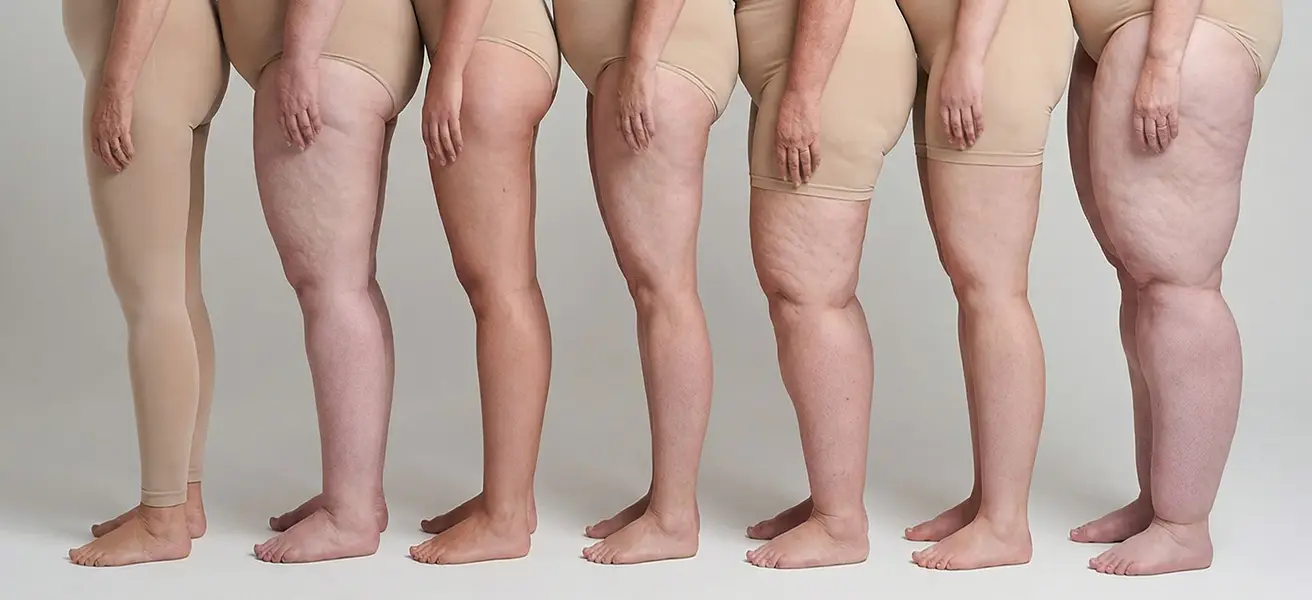
Lipedema is a chronic fat disorder that can affect women regardless of BMI. Here's why lipedema can remain hidden for years, especially in skinny women.
November 14, 2026


Public parking available or drop off along Arab Street, Village Hotel Bugis (Previously known as Golden Landmark Hotel)
Buses (2, 12, 32, 33, 130, 133, 133A, 520, 960, NR7) MRT (alight at Bugis MRT station)


Explore the physical, psychological and health benefits of liposuction, from body contouring to confidence, with research. Reviewed by Dr Ivan Puah.

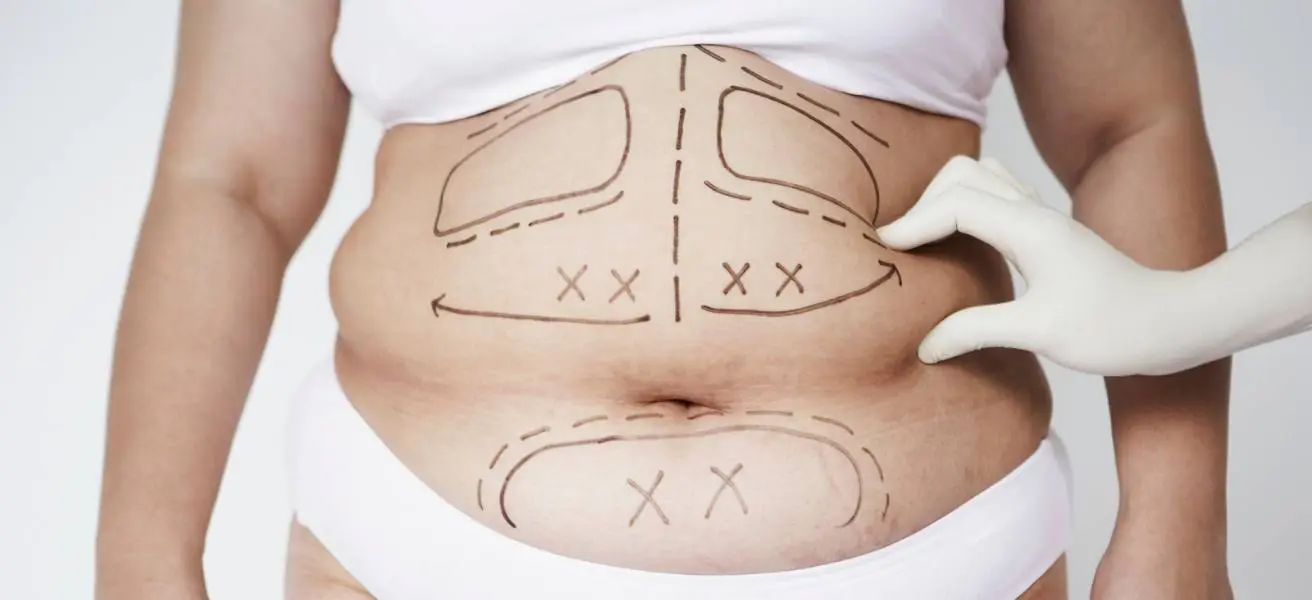
Liposuction removes stubborn fat pockets that diet and exercise can’t target, and it can improve body contour, clothing fit, confidence and, in some cases, health. In one study, 86% of patients reported higher self-esteem and about 70% reported a better quality of life after liposuction [1]. Treated fat cells do not grow back, but results last only with a stable weight and healthy lifestyle.
| Benefit | How it helps |
|---|---|
| Removes stubborn fat | Fat loss through diet or exercise happens across the whole body, so spot-toning can’t remove fat from one area. Liposuction removes fat from specific pockets |
| Improves body shape | Like sculpting clay, it trims excess fat and corrects disproportion, creating a more balanced shape that can improve self-image |
| Better clothing fit | Fat pockets can create bumps under clothes and push people into larger sizes. Depending on the area treated and your body shape, you may drop a size or two |
| Defined sculpting | Hi-definition liposuction removes superficial and deep fat to enhance muscle visibility |
| Long-lasting results | Fat cells removed from the treated area will not grow back. Keep an active lifestyle and healthy diet to maintain results |
| Cellulite | Liposuction is widely believed to worsen cellulite, but in the hands of a qualified, experienced doctor it can improve its appearance |
Some techniques, such as the MDC-Sculpt® Lipo Technique, may also tighten skin in the treated area.
Confidence and quality of life. A study in the April 2012 issue of Plastic and Reconstructive Surgery found that 86% of patients had increased self-esteem after liposuction and about 70% reported improved quality of life [1].
Body image. Research shows that people perceived as more attractive, in face and in body size and shape, generally receive better treatment in social interactions. People of average weight are generally treated more favourably than those who are overweight. This can in turn support a more positive body image [2].
Lifestyle outcomes. One study found that 80.5% of patients were more confident, 74.8% had increased self-esteem and 87% were more comfortable in clothes. Time since surgery did not influence results [3].
Better mobility. Excess fat can impede movement. For some people, removing stubborn fat can restore joint mobility and improve posture and gait.
Metabolic and cardiovascular markers. A clinical study found that combining liposuction with exercise is safe and effective for treating metabolic disorders [4]. Reported changes include:
Lipomas. A lipoma is a non-cancerous growth of fat cells under the skin, usually soft, painless and movable. It generally occurs in middle-aged adults and is most common on the shoulders, trunk, neck or armpits. Liposuction is a treatment option.
Sleep apnea. Extra fat around the chin and neck can narrow the airways. For people whose sleep apnea is specifically caused by this fat, face and chin liposuction may improve symptoms.
Liposuction is a body contouring procedure, not a weight loss treatment. It suits people with localised, stubborn fat who are near a stable, healthy weight. A consultation with an MOH-accredited doctor will confirm whether it suits your goals and health.
Targeted removal of stubborn fat, improved body shape and clothing fit, and higher confidence and self-esteem. It may also improve mobility and some health markers.
Fat cells removed from the treated area do not grow back, but remaining fat cells can still enlarge with weight gain. Maintaining a stable weight protects your results.
It can, when performed by a qualified, experienced doctor, though it is often believed to make cellulite worse.
Studies report improvements in triglycerides, insulin sensitivity and cardiovascular risk markers [4, 5, 6]. It is not a substitute for weight management or medical treatment.
Possibly, for people whose sleep apnea is caused by excess fat around the chin and neck.
Yes. Liposuction is a treatment option for lipomas.