Facial fat transfer recovery in Singapore: what to expect from day 1 to month 6, swelling and bruising timeline, aftercare, and how long results last.
October 18, 2026


Public parking available or drop off along Arab Street, Village Hotel Bugis (Previously known as Golden Landmark Hotel)
Buses (2, 12, 32, 33, 130, 133, 133A, 520, 960, NR7) MRT (alight at Bugis MRT station)


Symptoms of a flare-up include sensations like burning, increased pressure, stabbing pain & debilitating dull aches. Here's how to manage flare-ups effectively!
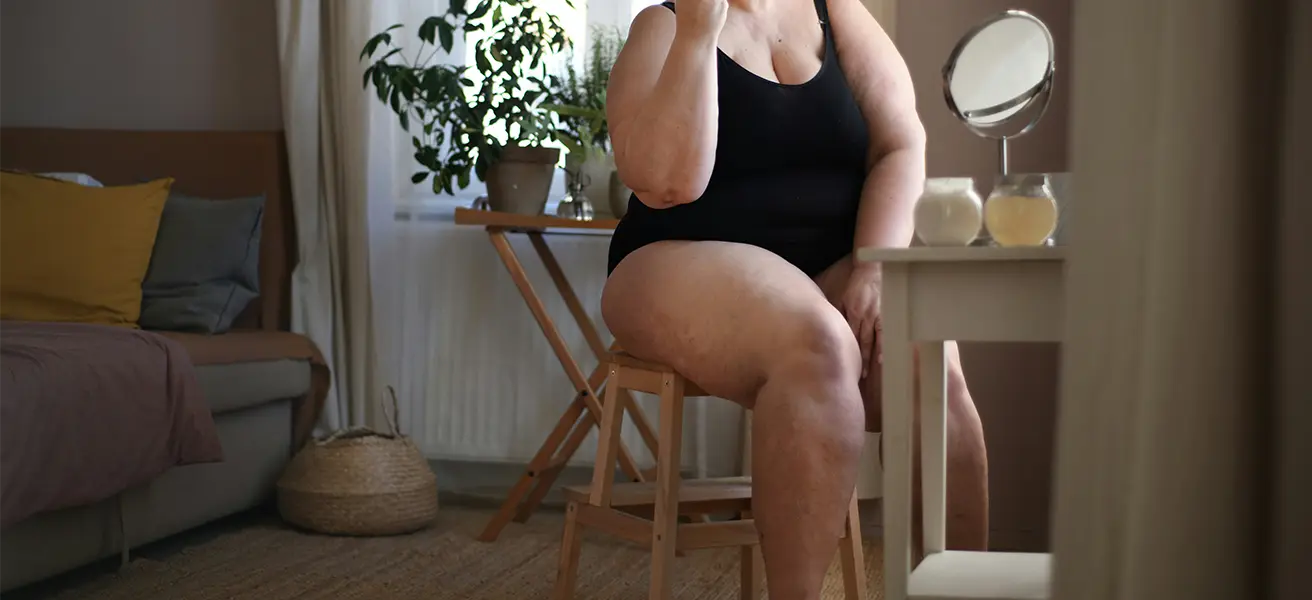
Lipedema is a chronic condition without a complete cure, characterised by symptoms like bruising, swelling, discomfort, and tenderness.
While it can progress differently among individuals, flare-ups represent sudden worsening of these symptoms, often triggered by hormonal changes, inflammation, physical trauma, stress, and poor lymphatic drainage.
Symptoms of a flare-up include sensations like burning, increased pressure, stabbing pain, and debilitating dull aches.
Here's how to manage flare-ups effectively.
Lipedema is a chronic medical condition that unfortunately does not have a complete cure [1].
However, lipedema symptoms of bruising, swelling, discomfort, tenderness, etc., can be managed via a combination of: :
A lipedema flare-up is a sudden, temporary worsening of symptoms in affected areas. During a flare-up, patients often feel their usual symptoms become worse.
Lipedema progression differs among patients. Some may experience little or no progression, while others may advance more quickly.
| Bat wings | Look for a “bat wing” shape in the upper arms, as around 80% of women with lipedema have this feature. |
| Disproportionate body | Patients with lipedema often notice that their lower body is much larger than their upper body. Many individuals may have a pear-shaped body, with a slim waist and a larger lower body. |
| Leg shape | Thick, straight legs with little definition around the knees are often a sign of lipedema. |
| Ankles & feet | In lipedema, excess fat accumulates around the back of the ankles, creating the appearance of "cankles." This pattern is a specific sign of lipedema, but not everyone with the condition will have it. |
| Football saddlebags | Large fat deposits that go beyond the normal curve of the hips, looking like "football saddlebags" or noticeably enlarged buttocks that stick out from the lower back, especially when viewed from the side. |
| Increased sensitivity and easier bruising | Those with lipedema flare-ups often bruise easily and feel sensitivity in the affected areas, where even light touches can be painful. |
Although the exact cause of lipedema is not known, flare-ups are mainly triggered by:
| Hormonal Shifts | Puberty, pregnancy, peri-menopause, menopause, using new birth control methods. |
| Physical Trauma | Major surgeries, injuries, infections. |
| Stress | Chronic stress, unmanageable stress, sudden bad news, severe emotional stress. |
| Inflammatory Foods | Refined carbohydrates, highly processed foods such as ready-to-eat meals, added sugar, alcohol, trans fat, fried food, fast food, processed meats like luncheon meat. |
| Physical exertion and strain | Overexertion, prolonged standing, or long travel. |
| Temperature Extremes | Extreme heat, extreme cold, sudden change of temperature for a period of time during travel. |
| Lack of rest | Lack of proper rest, poor sleep quality, sleep deprivation |
Inflammation and changes in excess fat tissue cause lipedema pain.
Lipedema pain is often described as “if legs would burst from the inside,” “painful weakness,” “piercing, stabbing.” [17]
People with lipedema usually feel tenderness, heaviness, and aching, which can increase with activity or throughout the day [18].
The pain can vary in type and sensation, including:
Some patients report a burning or tight sensation in the affected areas, especially at the end of the day or after prolonged physical activity.
Increased sensitivity in the affected areas is among the most common signs of a lipedema flare-up.
Even a light touch, such as a tap or heavy clothing, can feel intense, like a deep, fresh bruise.
This pain comes from tissue stress, nerve irritation, or inflammation. It can happen when sitting or standing for a long time.
Many patients feel a constant, heavy ache in the affected areas.
This ache often feels like a "dragging" sensation and may not get better with rest or elevating the limbs.
A lipedema flare-up can be challenging, but it’s important to remember that you don’t have to endure it passively.
Taking proactive measures can significantly shorten the duration and intensity of the flare.
Responding quickly to these lipedema flare-up symptoms can make a notable difference.
Stress elevates cortisol levels, which can worsen inflammation. It is one of the major triggers for lipedema flare-ups.
To manage stress, engage in calming activities such as massages, spending time with loved ones, warm baths, meditation, breathwork, or resting in a quiet, peaceful environment.
Stress management is crucial for regulating the nervous system and can significantly shorten the duration of lipedema flare-ups.
Elevating your legs helps reduce fluid congestion during a flare-up by improving lymphatic drainage and decreasing venous pressure.
Lift your legs above your heart level several times a day. You can place your legs on a bolster while lying down. Take breaks from applying pressure on your legs. Do not sit or stand for too long.
During a flare, avoid inflammatory foods such as high-sodium foods like potato chips and alcohol, which can prolong inflammation.
Focus on low-sodium, high-nutrition meals to help control flare-up symptoms and lessen the duration.
Medical-grade compression garments encourage lymphatic flow, reduce fluid accumulation, improve mobility by preventing the rubbing of tissue lobules and fibrosis risk, relieve tenderness and heaviness in the affected limbs and more.
While wearing your compression garment, go for mild exercises such as slow walks or light cycling to promote lymphatic flow without worsening symptoms.
Ensure you are comfortable during the workout; if you feel pain, stop immediately.
Avoid high-intensity workouts, as they can aggravate the flare-up.
Medications that cause fluid retention should be avoided.
Furosemide increases the levels of interstitial proteins, making it more difficult for the body to remove excess fluid [16].