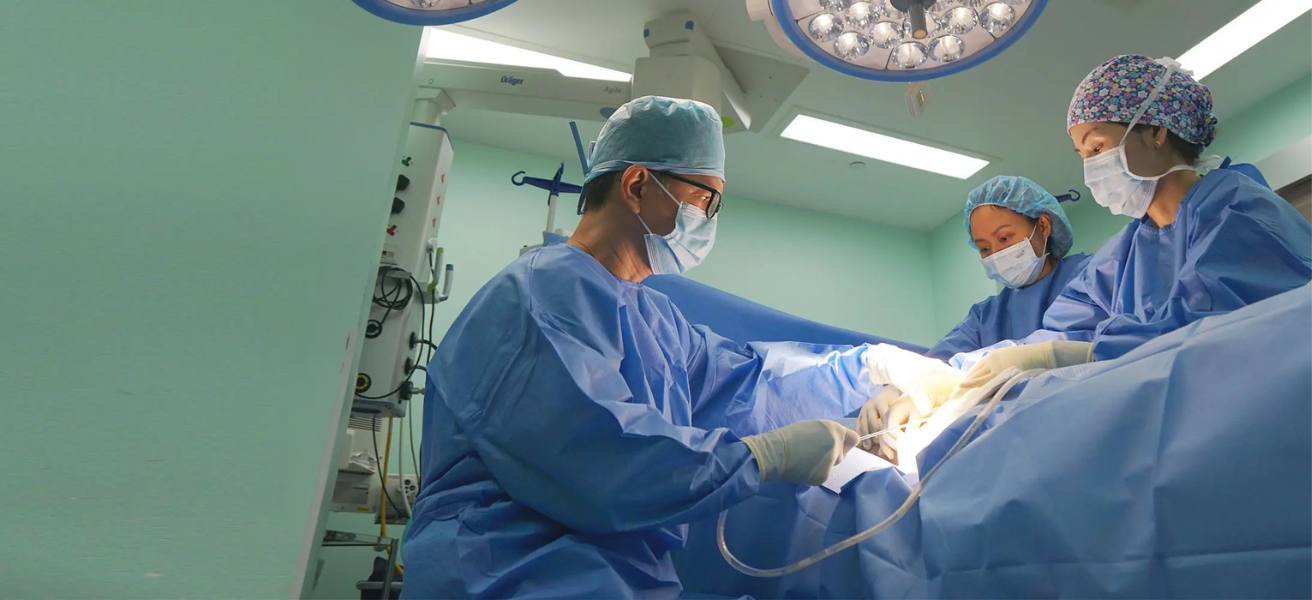
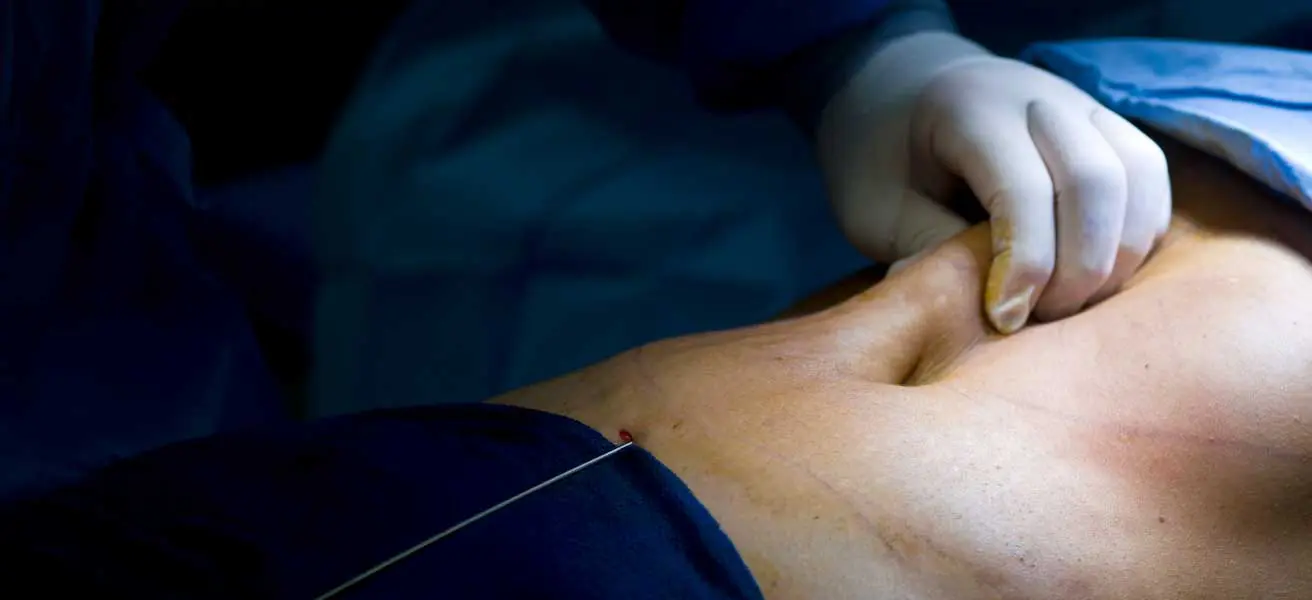
Male Nipple Reduction is a well-defined chest accentuated by muscles is a physical trait that most men desire.
October 23, 2026


Public parking available or drop off along Arab Street, Village Hotel Bugis (Previously known as Golden Landmark Hotel)
Buses (2, 12, 32, 33, 130, 133, 133A, 520, 960, NR7) MRT (alight at Bugis MRT station)


Lipedema is a chronic fat disorder that can affect women regardless of BMI. Here's why lipedema can remain hidden for years, especially in skinny women.

Lipedema is a chronic fat distribution disorder that can affect individuals regardless of body weight, often overlooked in skinny women.
Symptoms include disproportionate limb size, pain, heaviness, bruising, and skin texture changes. It typically begins in puberty and can worsen during pregnancy or menopause, often going unnoticed for years. Evaluation methods include a self-assessment checklist and a pinch test, but these are not definitive diagnoses.
Health implications can include mobility limitations and increased vascular risks, impacting physical and emotional well-being.
Many individuals grappling with lipedema often hear "You're just big-boned" or "It's just your body shape."
Family members may attribute larger bodies to genetic inheritance, suggesting there's little that can be done about it.
But what if you are skinny but suspect that you may be suffering from lipedema?
Is it possible for a skinny woman to have lipedema?
Yes, it is, as lipedema, a chronic fat distribution disorder, can happen regardless of body weight or BMI.
Lipedema is not ordinary subcutaneous fat; it consists of inflamed, fibrotic tissue often referred to as “diseased fat.”
It can be hard to notice lipedema even when your legs or arms look disproportionate, especially if you have a slimmer upper body.
This is because most medical examinations associate bigger body areas with weight gain or poor lifestyle choices.
Another reason is that lipedema symptoms can vary significantly from one individual to another.
While some people may associate lipedema with "fat legs" or "fat arms," the reality is that symptoms can also include bruising sensations, even when the limbs do not appear larger.
This misunderstanding can delay proper diagnosis, leading to skinny women suffering in silence for a long time.
| Pressure pain | Lipedema fat is often tender and painful when touched. | |||||||||||
| Pain changes through the day | Legs or arms feel heavy or tired at the end of the day. | |||||||||||
| Heaviness | Heavy feelings in the arms or legs. | |||||||||||
| Cold/warm | Feeling cold or warm in the affected areas. | |||||||||||
| Tension feeling | Feeling of tension in the affected areas. | |||||||||||
| Symmetrical Fat Distribution | Lipedema fat builds up symmetrically in the limbs. Skinny women with lipedema often notice a clear difference in size between their upper and lower bodies. | |||||||||||
| Disproportionate limbs | Proportions do not match the rest of the body. Disproportionate body shape is very obvious in skinny women with lipedema. | |||||||||||
| Spider veins, varicose veins | Skinny women with lipedema often notice spider or varicose veins in the affected legs. | |||||||||||
|
Bat wing
| A bulging upper arm shape can be a sign of lipoedema on the arm, especially if it comes with pain when touched, or heaviness. |
Bruising
| Skinny women with lipedema tend to bruise easily, and sometimes for no apparent reason. | The bruise marks also last longer than usual.
Response to diet and exercise
| Fat accumulations in skinny women with lipedema persist despite diet and exercise. |
Skin texture
| Early Stages: Skin feels soft, doughy, or spongy. | Advanced Stages: Feels dense, firm, or woody.
Nodules
| Early Stages: Skinny women with lipedema can feel nodules of enlarged fat underneath the skin. The nodules can range in size from a grain of rice to a walnut, or even larger. | Advanced Stages: The grown nodules will feel like pebbles or walnuts.
Cuff appearance
| Skinny women with lipedema may notice a visible “cuff” around the ankles or wrists. |
|
Lipedema typically begins gradually, often during puberty.
Many women notice changes to their bodies when hormones activate lipedema tissue during this time.
The condition can worsen during pregnancy, breastfeeding, or menopause.
If you are slim in other areas, you might not recognise it for years, as lipedema may not cause noticeable size changes initially.
This can lead to it going unnoticed until it progresses.
Changes can also occur during pregnancy or menopause.
By the time you experience pain, swelling, or notice tissue thickening, a significant amount of time may have already passed or the lipedema stage may have progressed significantly.
Additionally, stress or illness can trigger flare-ups, as well as injuries or surgeries that affect lymphatic flow.
At Amaris B. Clinic, we use a Self-Assessment Checklist during the initial assessment to determine whether you have lymphedema.
Another method to evaluate if you might have lipedema is the pinch test. This test aims to assess skin texture, pain response, and tissue quality.
During the pinch test, if the affected area is painful or feels different in texture from other areas of your body, it may indicate lipedema.
However, it's important to note that the pinch test should not be regarded as a definitive diagnosis.
The results of both tests will be considered during a personal consultation to help confirm the diagnosis.
Effective management of lipedema requires multidisciplinary, research-informed care that combines the above treatments that are tailored to each patient [10, 11].
Lipedema is associated with significant physical disability, chronic pain, thromboembolism, and psychosocial distress [12].
During the consultation, the doctor can diagnose lipedema through a physical examination and by reviewing your medical history. They may also order blood tests and imaging to exclude other potential issues.
Recognising lipedema early can help alleviate symptoms and prevent complications.
Even if you notice only minor imbalances in your appearance, pain, restricted movement, and psychological stress can often increase over time.
Unfortunately, lipedema is a progressive disease that does not resolve on its own.