


Facial fat grafting in Singapore starts at SGD 3,500. Prices vary based on doctor's experience, etc. Fat grafting provides a more natural appearance.
October 4, 2026


Public parking available or drop off along Arab Street, Village Hotel Bugis (Previously known as Golden Landmark Hotel)
Buses (2, 12, 32, 33, 130, 133, 133A, 520, 960, NR7) MRT (alight at Bugis MRT station)


An anti-inflammatory diet and other lifestyle changes may help alleviate lipedema symptoms. Effective management is essential for improving the quality of life.
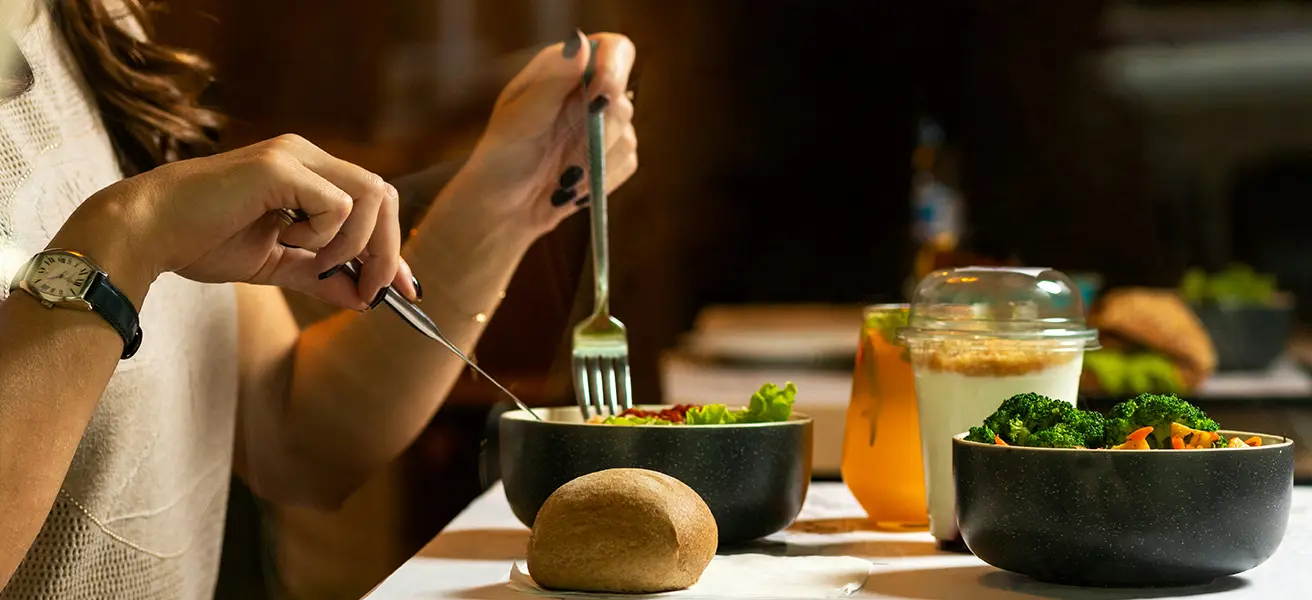
Lipedema is a chronic condition in about 11% of adult women, characterised by abnormal fat accumulation in the limbs, leading to pain and mobility issues.
Often misdiagnosed, it requires knowledgeable healthcare providers for management, which includes lifestyle changes, compression garments, and possibly surgery. Anti-inflammatory diets can help alleviate symptoms, though they are not curable.
Effective management is crucial for improving the quality of life.
Affecting approximately 11% of adult women [1] and with numbers of lipedema incidence increasing in Singapore [2], lipedema is a chronic disorder that is marked by abnormal fat accumulation in the limbs, resulting in:
This medical condition is characterised by the abnormal accumulation of excess fat tissue in a specific pattern, in specific areas of the extremities, disproportionate to the rest of the body.
The accumulation typically occurs bilaterally and symmetrically, affecting the hips, upper and lower legs, and arms.
The pinch test for lipedema involves gently pinching the affected area to assess skin texture, pain response, and tissue texture.
If the affected area hurts or feels different in texture from other areas of your body, it may be lipedema.
However, the pinch test should not be regarded as a definitive diagnosis.
The common belief in Western medicine has been that lipedema is rarely seen in women of Asian descent [3], but several reviews, research proposals, and case studies from Pakistan, India, Japan, and Korea [4, 5, 6, 7] have shown that lipedema incidence is increasing in Southeast Asia.
However, identifying lipedema in East Asian women, such as Chinese, Mongolians, and Koreans, may be more challenging because they tend to have greater fat accumulation around the trunk and higher waist-to-hip ratios than Caucasian women [8, 9, 10].
Since lipedema is diagnosed mainly by excess fat in the lower legs, these differences can make it harder to recognise the condition in East Asian populations.
This is why it is so difficult to find a doctor who treats or diagnoses lipedema in Singapore.
Lipedema is often misunderstood and is frequently misdiagnosed as simple obesity, lymphedema, or hormonal weight gain.
Patients often find themselves dismissed, receiving only generic weight loss advice.
However, it is important to recognise the truth: Lipedema is a real, chronic, and painful fat disease. It requires a doctor who understands it specifically.
“At Amaris B. Clinic, we have helped many patients who have experienced similar challenges. This condition cannot be resolved solely through diet or exercise. First-line treatments include lifestyle changes and compression garments; severe cases may require surgical options like liposuction. With our lipedema management plan, we can help reduce pain, enhance mobility, and improve your overall quality of life,” shares Dr Ivan Puah, with over 20 years of surgical and holistic experience treating women with medical conditions such as lipedema.
Lipedema patients experience different and varied types of pain, ranging from mild to severe and they are described as:
Other lipedema symptoms also include:
Lipedema cannot be completely eradicated so work hand in hand with your doctor to help relieve painful lipedema symptoms by doing your part.

A study titled 'Exploring the Anti-Inflammatory Potential of a Mediterranean-Style Ketogenic Diet in Women with Lipedema' found that this diet effectively reduced patients’ inflammation markers.
This indicates that dietary nutrients, rather than just calorie reduction or weight loss, play a key role in lowering inflammation in the fat tissues [11].
Another study examined the benefits of a low-carbohydrate, high-fat (LCHF) diet for women with lipedema compared to those who are overweight or obese. The lipedema group not only showed a greater decrease in ankle circumference but also had significantly lower pain levels.
These findings suggest that the LCHF diet may also help with body fat reduction, leg volume management and pain alleviation for women with lipedema, highlighting its potential physical and psychological benefits [12].
Research from Sørlie et al. found that women with lipedema (aged 18 to 75, with a BMI of 30 to 45) improved after following an LCHF diet for 7 weeks, followed by 6 weeks on a diet based on Nordic nutrition guidelines.
The LCHF diet, also known as ketogenic diet, has been proven to reduce pain and boost quality of life in lipedema patients [13].


A low-impact exercise routine can help manage symptoms, improve mobility, and promote overall well-being [19, 20, 21].
The following routine focuses on strengthening the arms and legs while minimising joint stress.
Aim to perform this routine 3 to 5 times a week, gradually increasing repetitions or duration as you get stronger. Go slow and easy.
Consider wearing compression garments during workouts to support lymphatic flow.
Another form of exercise that is good for lipedema management is water activities such as walking in the pool or gentle swimming [22].
If you experience pain or discomfort, modify the movements or reduce the intensity.
| Arm Exercise | Reps |
| Warm up with gentle arm circles & wrist and finger flexibility | 1 - 2 minutes for each |
| Seated dumbbell press (0.5 - 2.5 kg) | 2 - 3 sets of 10 - 15 reps |
| Bicep curls | 2 - 3 sets of 10 - 15 reps |
| Lateral raises | 2 - 3 sets of 10 - 15 reps |
| Tricep extensions | 2 - 3 sets of 10 - 15 reps |
| Wall push-ups | 2 - 3 sets of 10 - 15 reps |
| Cool down with stretches for the shoulder, triceps & neck | 5 - 10 mins |
| Leg Exercise | Reps |
| Warm up with gentle walking & ankle pumps | 5 - 10 mins |
| Seated leg lifts | 10 - 15 times per side |
| Mini squats | 10 - 15 reps |
| Wall push-ups | 10 - 15 reps |
| Chair yoga | Hold each pose for 15 - 30 seconds |
| Side leg raises | 10-15 reps per leg |
| Cool down with calf & hamstring stretches | 5 mins each |
Dr Puah also recommends wearing medical-grade compression garments most of the time.
A survey revealed that the top three reasons for wearing compression garments were to feel supported (73%), reduce lipedema pain (67%), and improve mobility (54%) [23, 24].
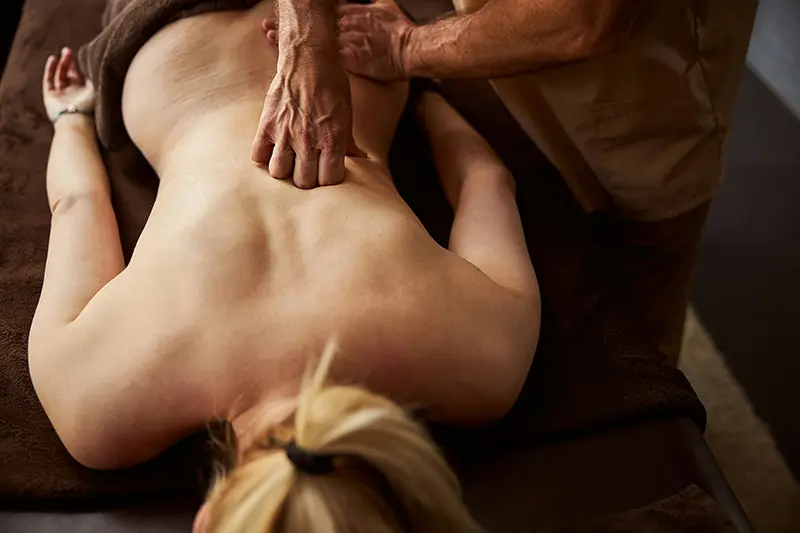
A MLD therapist applies specific techniques to encourage lymphatic flow and reduce swelling, significantly improving a patient's quality of life, helping patients to manage their symptoms more easily [24].
Depending on symptom severity, therapy may be recommended several times per week, especially during the initial treatment phases, before transitioning to maintenance sessions.
| Benefits of Manual Lymphatic Drainage Therapy in Lipedema | |
|---|---|
| Fluid Reduction | Reduce excess fluid retention in the tissues Encourages the movement of lymph Removes waste products and toxins Aids in decreasing swelling Relieves discomfort associated with lipedema |
| Improved Circulation | Enhances venous and lymphatic circulation Promotes better nutrient delivery Removes waste from the affected areas |
| Pain Relief | Alleviates tenderness often associated with lipedema |
| Emotional Well-being | Leads to improvements in mood Lowers stress levels |
If you've been wondering whether those painful legs and arms are more than stubborn fat, or lipedema, let Dr Ivan Puah take a closer look.


