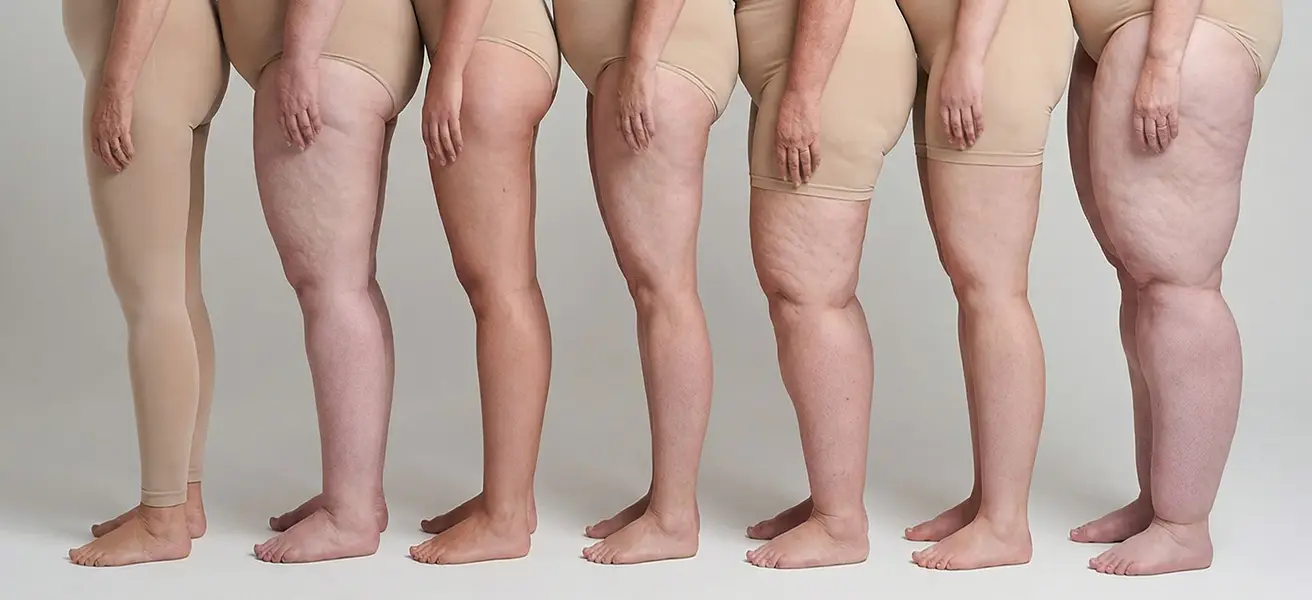
Like any other surgery, liposuction, which has many wonderful benefits, is not without potential risks, side effects and complications.
November 9, 2026


Public parking available or drop off along Arab Street, Village Hotel Bugis (Previously known as Golden Landmark Hotel)
Buses (2, 12, 32, 33, 130, 133, 133A, 520, 960, NR7) MRT (alight at Bugis MRT station)


Can you breastfeed after nipple reduction? Learn how milk ducts are preserved, the risks, the best timing and what to ask your doctor.

Often yes, but it depends on the technique and the doctor’s skill. Nipple reduction targets the nipple itself, while the main milk-producing glands sit deeper in the breast and remain intact [3]. However, like any surgery, it can sometimes affect the milk ducts and nerve pathways, which may reduce breastfeeding ability.
Nipple hypertrophy, or macrothelia, is the enlargement of the nipple in length, width or both. In Asian women, a normal nipple projection is commonly about 1 cm [1]. Research shows the nipple base typically measures 15 to 34 mm in width and 5 to 20 mm in length [8]. Nipples that are both wider and longer can sometimes make it harder for a baby to latch on initially [10].
Nipple reduction is a cosmetic procedure that decreases the size and protrusion of the nipples [2]. It is usually performed as a same-day procedure under twilight and local anaesthetic, and patients go home the same day with minimal discomfort.
Lactiferous ducts, or milk ducts, are small tubes that carry breast milk from where it is made to the openings on the nipple [4]. Each nipple has several openings linked to a network of ducts and milk-producing cells [5].
This is why the surgical approach matters: The less the ducts and nerves are disturbed, the better the chance of preserving breastfeeding function.
At Amaris B. Clinic, Dr Ivan Puah, an MOH-accredited liposuction doctor experienced in male and female chest contouring, works with the delicate architecture of the nipple to achieve symmetrical results that suit the patient’s natural anatomy. while preserving nipple innervation and lactiferous ducts [12]. Minimal incisions are strategically placed so they are barely noticeable once healed.
| Technique | Best for | How it works |
|---|---|---|
| Wedge excision | Reducing size while keeping natural projection | A V-shaped slice of tissue is removed from the side or base of the nipple [10] |
| Direct excision | Significant reduction | The outer edge is trimmed to create a smaller diameter while preserving sensation and function [11] |
| Circumferential reduction | Reducing width and projection | A ring of skin is removed at the base of the nipple [10] |
The techniques differ in the direction of tissue removal, the shape of the resulting scar and the nipple’s aspect (width versus height) [12]. In some cases, combining techniques optimises results [12].
Highly recommended: After you have finished having children and breastfeeding. Pregnancy and breastfeeding can permanently change the size and shape of the nipples. If surgery is done beforehand, a future pregnancy could stretch the tissues again and alter the results. Wait 3 to 6 months after you stop breastfeeding so your hormones and breast tissue settle into their post-pregnancy shape.
Having surgery before children: Some people choose this if they are not planning pregnancy soon, or if large nipples cause ongoing discomfort (such as chafing from clothing) or significant psychological distress. Be prepared for a high likelihood of revision surgery if your breasts and nipples change significantly during pregnancy and nursing.
Risks to be aware of: Depending on the technique and the doctor’s expertise, surgery may sometimes affect or damage the milk ducts and nerve pathways, potentially impacting your future ability to breastfeed.
Often yes. The main milk-producing glands remain intact deeper in the breast [3]. Outcomes depend on the technique and the doctor’s expertise, as surgery may sometimes affect milk ducts and nerves.
It is the enlargement of the nipple in length or width. In Asian women, a normal nipple projection is commonly about 1 cm [1].
At Amaris B. Clinic, the procedure is performed under twilight and local anaesthetic. Afterwards you may feel mild, temporary discomfort, tenderness and swelling, which can be managed with painkillers.
Most patients return to work in 1 to 2 days. Tenderness gradually subsides, and you should follow the post-op instructions your doctor gives you.
Temporary numbness, tingling or reduced sensitivity can occur as nerves adjust after surgery. This usually improves with time, but recovery varies between individuals.
All surgery involves an incision, so some scarring is expected. Scars are minimised by an experienced doctor who places small, hidden incisions and by good wound care. Genetic predisposition to scarring also plays a role.
They differ in the direction of tissue removal, the scar shape and the nipple aspect treated (width versus height) [12]. Wedge excision removes a V-shaped slice from the side of the nipple [10], while circumferential reduction removes a ring of skin at the base to reduce height and projection.
No. Nipple reduction does not alter the appearance of the areola.
Your nipples will look more proportionate to your breasts.
Yes, but the nipples can still change with weight fluctuations, hormonal shifts (such as pregnancy or menstruation), breastfeeding and natural ageing.
Infection and bleeding are rare. Poor wound care may delay healing.