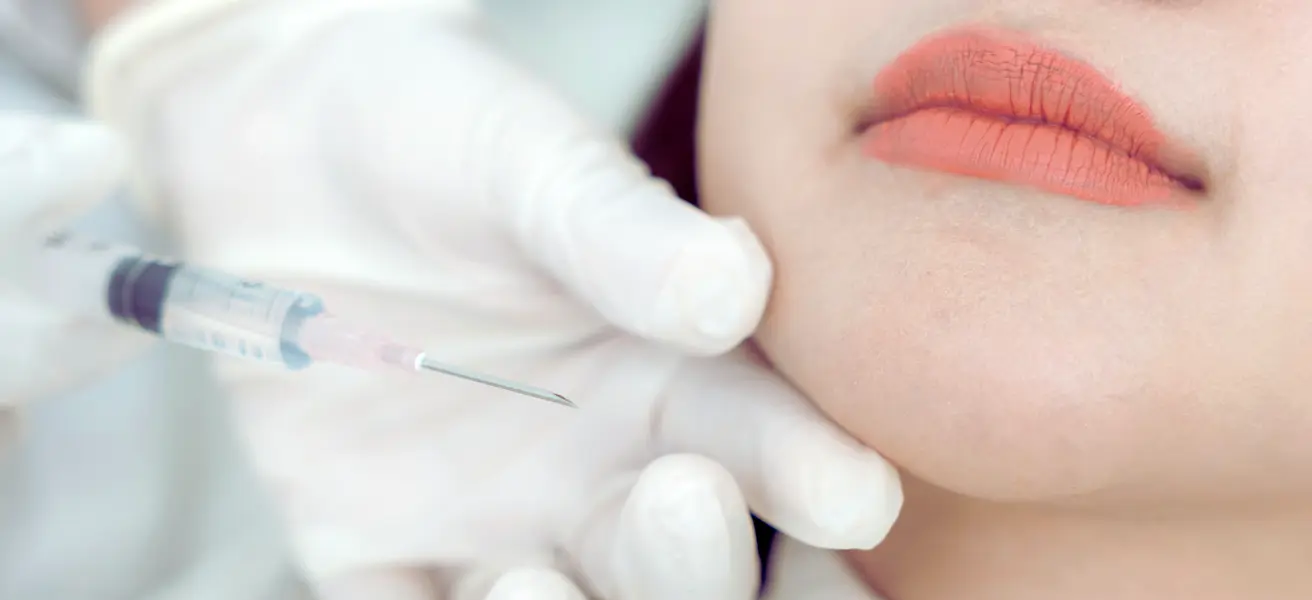
Facial fat grafting restores volume lost from GLP-1 weight loss. Learn how it works, survival rates, recovery, and results vs. fillers in Singapore.
September 26, 2026


Public parking available or drop off along Arab Street, Village Hotel Bugis (Previously known as Golden Landmark Hotel)
Buses (2, 12, 32, 33, 130, 133, 133A, 520, 960, NR7) MRT (alight at Bugis MRT station)


Facial fat grafting restores volume lost from GLP-1 weight loss. Learn how it works, survival rates, recovery, and results vs. fillers in Singapore.
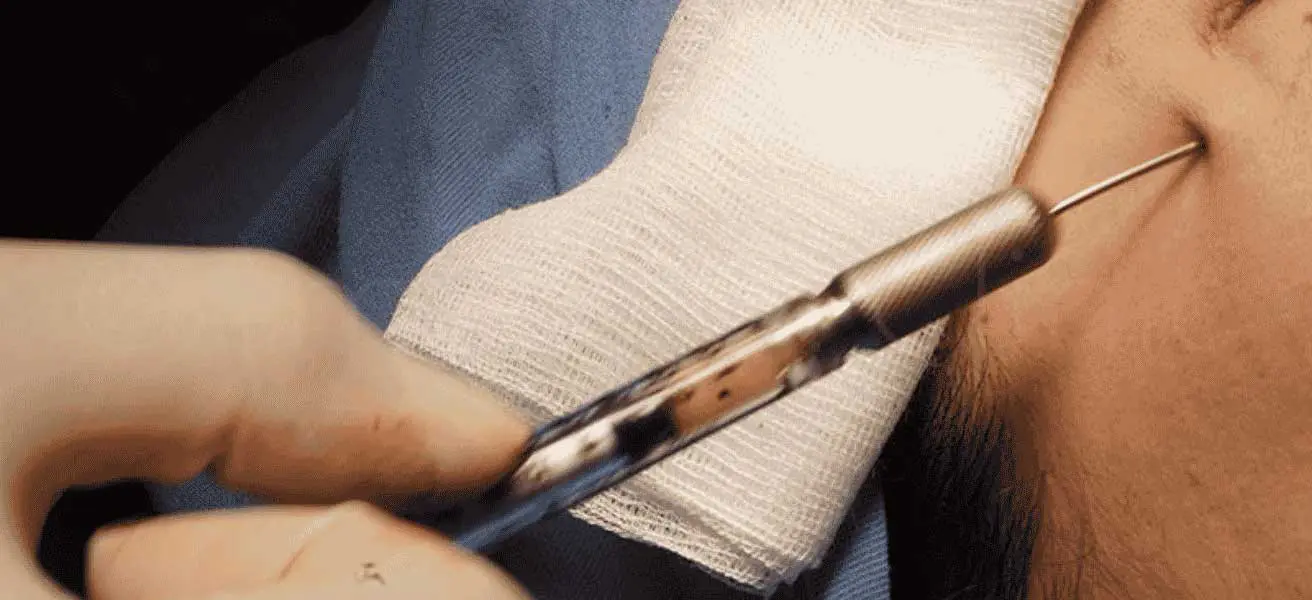
Facial fat grafting treats "GLP-1 face", the gaunt, sunken, or aged look from rapid weight loss on GLP-1 drugs, by transferring a patient's own fat from areas like the abdomen into hollow facial areas. Results last significantly longer than dermal fillers, with 40–50% of transferred fat typically surviving long-term.
GLP-1 medications are prescription drugs originally approved for Type II diabetes, now widely prescribed for weight loss. They work by boosting the hormone glucagon-like peptide-1, which slows digestion, increases satiety, and, in diabetics, helps regulate blood sugar.
If taken without medical supervision, the rapid, significant weight loss can cause unwarranted facial volume loss, leading to hollowed cheeks, sunken temples, and looser skin, often called the "GLP-1 face."
“To avoid these complications, I would advise patients on GLP-1s, as well as those embarking on a weight loss journey, to focus on gradual weight loss. Do not lose too much weight over a short period of time because, by doing so, your body will be unable to maintain equilibrium, and much of the weight loss will come not only from fat but also from your muscles and tissues.
So slow the pace down; lose maybe 1 to 2 kilos a week over a longer period. Not only will it make you look a little healthier, but it will also make your body better able to tolerate it,” shares Dr Ivan Puah, an MOH-accredited liposuction doctor who has more than 20 years of cosmetic surgery experience, including facial fat grafting. He has also been helping patients with weight management issues, including safely monitoring them using GLP-1 medication.
Facial fat grafting (also called fat transfer or autologous fat transfer) restores lost volume using the patient's own tissue:
Fat survival rate: It will depend on where and how the fat is processed and areas of the face where it will be grafted. Typically 50-70% of injected fat survives long-term. Survival improves when patients avoid smoking and excessive caffeine after the procedure.
Recovery: Expect more post-procedure swelling than with fillers, but results last considerably longer.
Ultherapy Prime
FDA-cleared for sagging cheeks, jowls, skin laxity, and lines on the neck and décolletage. Ultherapy Prime uses micro-focused ultrasound (MFU-V) to stimulate collagen from within, producing a visible lift over 2–3 months that can last up to 12 months. Often paired with fat grafting to improve skin elasticity.
Dermal Fillers (Hyaluronic Acid)
Act as volumizing cushions for cheeks, chin, and hollow areas. Dermal Fillers is a common short-term or maintenance option alongside or instead of fat grafting.
Collagen Biostimulator Injections
Unlike fillers, Collagen Biostimulator Injections stimulate the skin's own fibroblasts to produce new collagen over time. Benefits include smoother fine lines, improved skin resilience and elasticity, restored facial volume, and more even skin tone.
| Factor | Facial Fat Grafting | Dermal Fillers |
|---|---|---|
| Source | Patient's own fat | Hyaluronic acid (HA) |
| Longevity | Long-lasting (often years) | 6–8 months, needs repeat treatments |
| Downtime | More initial swelling | Minimal |
| Best for | Significant, lasting volume loss | Quick touch-ups, reshaping |
Outcomes depend heavily on a doctor's technical skill and aesthetic judgment, a mismatch here is what leads to results that look disproportionate or unnatural. Dr Ivan Puah, MOH Singapore-accredited for liposuction, describes facial and body sculpting as "70% art, 30% science," tailoring technique to each patient's fat anatomy, muscle contour, and body shape. He also serves as an appointed trainer for injectable neurotoxins and dermal fillers at Merz Singapore.
GLP-1 face refers to facial volume loss and sagging caused by rapid weight loss from GLP-1 medications such as Ozempic or Wegovy, resulting in a gaunt or aged appearance.
Facial fat grafting is considered a leading long-term solution because it uses the patient's own fat for lasting volume restoration. Dermal fillers, Ultherapy Prime, and biostimulator injections are common complementary or alternative options.
Facial fat grafting results are generally longer-lasting than dermal fillers, which typically require repeat treatments every 6 to 8 months.
Typically 40–50% of injected fat survives long-term, with survival rates improving when patients avoid smoking and excessive caffeine post-procedure.
As with any procedure, outcomes depend on practitioner skill and patient health. Consult a qualified, accredited medical professional to assess suitability and risks.