Male Nipple Reduction is a well-defined chest accentuated by muscles is a physical trait that most men desire.
October 23, 2026


Public parking available or drop off along Arab Street, Village Hotel Bugis (Previously known as Golden Landmark Hotel)
Buses (2, 12, 32, 33, 130, 133, 133A, 520, 960, NR7) MRT (alight at Bugis MRT station)


Breast fat grafting risks in Singapore: complication rates, side effects, mammogram impact, cost vs implants and who is a suitable candidate.
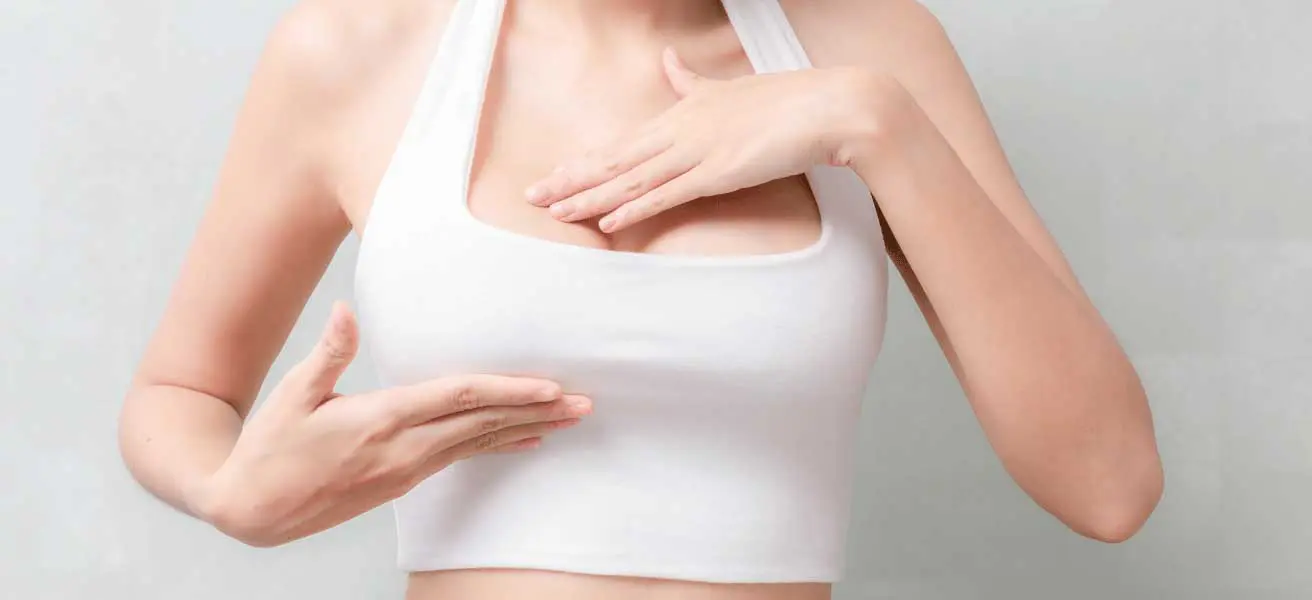
Breast fat grafting is generally considered a safe procedure when performed by an experienced, accredited doctor. Published studies report major complications such as infection and hematoma in under 1% of cases. Because it uses your own fat, there is no implant to rupture, leak or be rejected. It still carries its own risks, including oil cysts, calcifications, fat necrosis, asymmetry and partial fat loss. It typically adds about 1 to 1.5 cup sizes and is not suitable for people without enough donor fat.
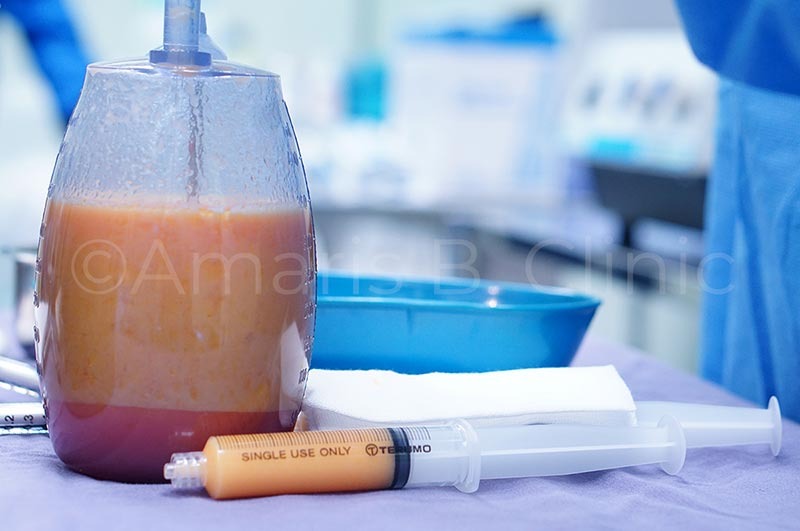
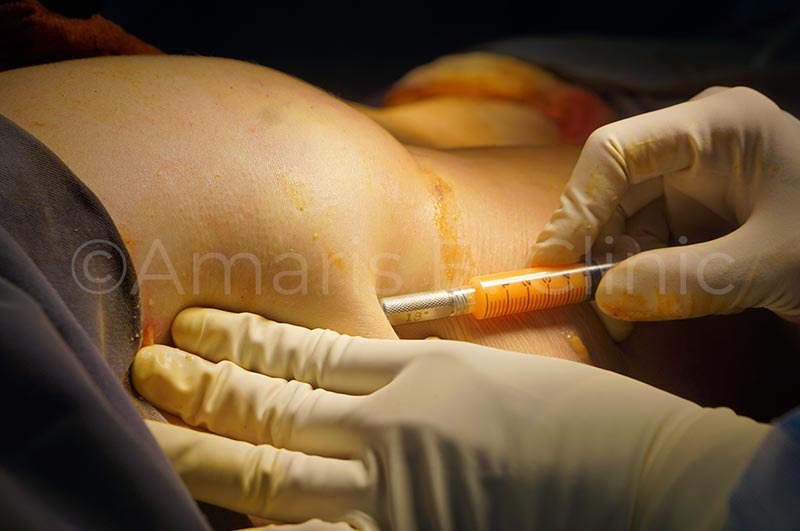
Breast fat grafting is a two-stage procedure:
Because the fat is your own tissue, there is no risk of implant rupture, leakage or shifting. Immune rejection is also not expected. The donor area is also contoured.
"Breast fat grafting utilises your own body fat, which eliminates the risks of ruptures, leaks or shifts usually associated with implants," says Dr Ivan Puah, Medical Director at Amaris B. Clinic.
| Surgery | Breast implants | Breast fat grafting |
|---|---|---|
| Cost in Singapore | SGD 12,000 - SGD 20,000 | From SGD 5,000++ onwards |
| Best for | Larger increases (2+ cup sizes) | Subtle, natural increases (1-1.5 cups) |
| Material | Silicone or saline | Your own fat |
| Longevity | Often 10-15 years; may need replacement or revision | Surviving fat is permanent, but volume can change |
| Feel | Firmer; implant edges may be visible in some patients | Softer |
| Recovery | About 4-6 weeks to full recovery | Days to return to routine; weeks for swelling to resolve |
| Body contouring | None | Donor area is slimmed |
| Key risks | Infection, rupture, capsular contracture, breast implant illness, rare BIA-ALCL | Bleeding, infection, scarring, oil cysts, calcification, fat necrosis, asymmetry, partial fat loss |
For a week-by-week guide, see our breast fat transfer recovery timeline.
| Complication | What it is | Reported rate |
|---|---|---|
| Infection [1] | Redness, fever, increasing pain, pus drainage | 0.6% [2], usually resolved with oral antibiotics |
| Seroma / hematoma [1] | Fluid pockets under the skin | 0.1% [2] |
| Oil cysts [3] | Benign fluid-filled sacs | 6.5% [2] (reduced significantly with ultrafiltration adsorption technique) [3] |
| Calcification [2] | Fat cells with insufficient blood supply leave calcium deposits | 4.5% [2], removable via periareolar incision [4] |
| Fat necrosis [5] | Hard nodules resembling breast tumours | 1.2% [2], small areas often resolve within 6–12 months |
| Cellulitis [6] | Fever, hypotension, redness/swelling across both breasts | 10.9% [1], requires removal of unhealthy tissue to prevent septic shock [6] |
| Asymmetry [7] | Uneven breast proportion | 20% [1], reduced by choosing a surgeon experienced in breast anatomy |
Rates vary between studies and techniques.
Calcifications, oil cysts and fat necrosis can show up on a mammogram and may resemble findings linked to tumours. Your radiologist may request extra imaging or a biopsy to confirm. This is a routine follow-up step, not a sign of a problem. Always tell your radiologist you have had fat grafting.
The American Society of Plastic Surgeons has stated that fat grafting to the breast is safe and does not increase breast cancer risk.
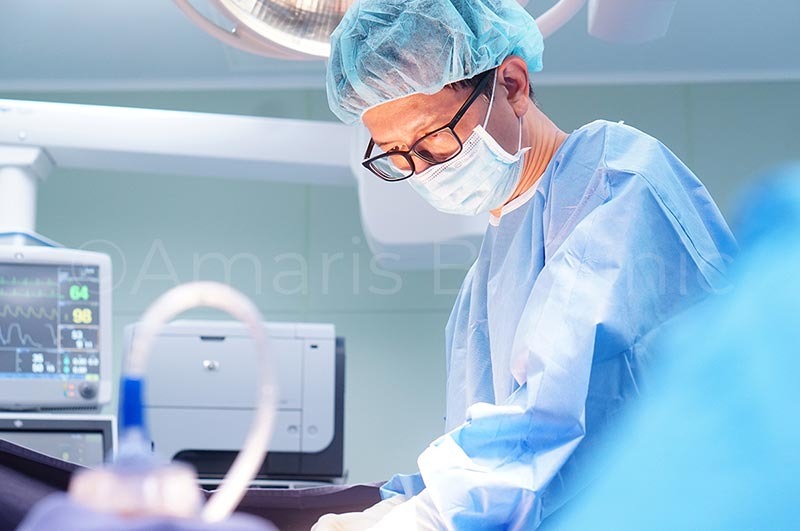
Dr Ivan Puah has performed fat grafting for over 20 years with experience in Vaser liposuction, laser lipolysis, tumescent liposuction, syringe liposculpture and gynecomastia surgery.
Yes, when done by an experienced, accredited doctor. Major complications such as infection and hematoma are reported in under 1% of cases. It has no implant rupture risk, but it does carry other risks such as oil cysts, calcification and asymmetry.
Prices start from about SGD 5,000++ onwards, compared with SGD 12,000 to SGD 20,000 for implants. Final cost depends on the clinic, the donor areas treated and the complexity of the case. The doctor's experience should matter more than price.
Fat that survives is permanent. About 70-75% of transferred volume is typically retained. Weight changes and ageing can still alter results.
Typically 1 to 1.5 cup sizes, depending on available donor fat and your individual condition.
It can. Calcifications or oil cysts may appear on imaging and may need follow-up tests. Tell your radiologist about your fat grafting history.
People without enough donor fat or with poor circulation. A consultation will confirm suitability.
Only doctors with a liposuction licence from the Ministry of Health may perform it. Amaris B. Clinic's Medical Director, Dr Ivan Puah, has offered the procedure since 2008.