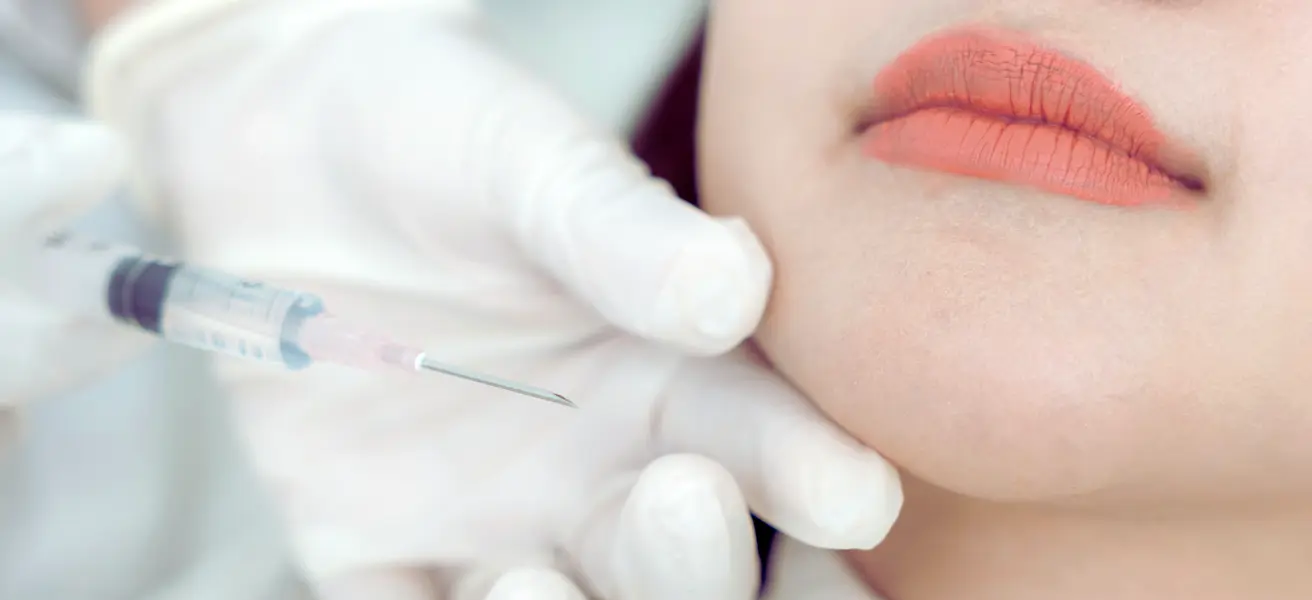
Facial fat grafting restores volume lost from GLP-1 weight loss. Learn how it works, survival rates, recovery, and results vs. fillers in Singapore.
September 26, 2026


Public parking available or drop off along Arab Street, Village Hotel Bugis (Previously known as Golden Landmark Hotel)
Buses (2, 12, 32, 33, 130, 133, 133A, 520, 960, NR7) MRT (alight at Bugis MRT station)


Lipedema surgery recovery involves managing swelling, bruising & drainage with key actions like taking medications, elevating limbs & wearing compressions.
Lipedema is a chronic medical condition that is often misunderstood and misdiagnosed. Different from typical fat accumulation, lipedema is characterised by:
Lipedema affects individuals who are underweight, normal weight and not just those who are overweight although the condition worsens with weight gain.
While there are non-surgical options available, surgical approaches such as liposuction for lipedema management combined with conservative treatments post-op can significantly relieve symptoms.
Lipedema surgery is not cosmetic surgery. It is a medical procedure to manage lipedema symptoms and remove the diseased fat from the affected limbs.
The ideal lipedema surgery candidate is someone who manages expectations.
Ask your lipedema surgery doctor during your consultation: "What results can I realistically expect based on my specific stage and condition?"
| Timeline | What to expect | What you should do |
|---|---|---|
| Day 1 - 3 | Localised swelling, bruising, and fluid drainage from incision sites. | Patients may see some improvement immediately. Take your prescribed medications during the first few days. Elevate your treated legs or arms above heart level. Eat light, nutritious, low-sodium meals from Day 1 onwards to support healing. Gently massage the treated area in circular motions to promote circulation. You will notice significant mobility improvement, but please avoid moving around too much. Medical-grade compression garments need to be worn 24/7. |
| Week 1 | Tissue inflammation peaks at Day 3 but will subside few days later | Temporary tingling or numbing you may experience during this period will subside in a few days. Hydrate to help flush anaesthesia from your system. |
| Week 2 | Swelling subsides. Noticeable temporary scar discolouration. Incision stitches removal. | Most bruising and swelling will resolve. You may notice that the affected limbs are now slimmer and that they feel better and have a better range of motion. The incision stitches will be ready for removal by your doctor around Day 10. Start applying medical-grade scar-healing silicone gel or sheet in Week 2. The doctor will advise when to start conservative lipedema treatments, such as attending regular Manual Lymphatic Drainage (MLD) massage sessions to promote healthy lymphatic drainage. |
| Month 1 – 3 | Healing continues to happen | Continue wearing your medical-grade compression garment 24/7. You’ll start enjoying better mobility, reduced pain and fewer symptoms. Your doctor will clear you for workout or water activities, depending on your recovery progress. |
| Month 3 – 6 | Residual swelling resolves | The final contouring result is shown. Incision lines will continue to fade. |
| Physical Therapy | A study found that physical therapy can help patients with early-stage Lipedema by reducing leg pain and improving quality of life. Participants attended 9 60-minute sessions over 6 weeks, which included manual therapy and personalised exercise guidance. After therapy, they reported significant improvements in pain and mobility, alongside decreased skin sodium levels, indicating reduced inflammation [1]. |
| Diet change | While lipedema fat is often resistant to diet, nutritional strategies focused on reducing systemic inflammation may help manage symptoms. |
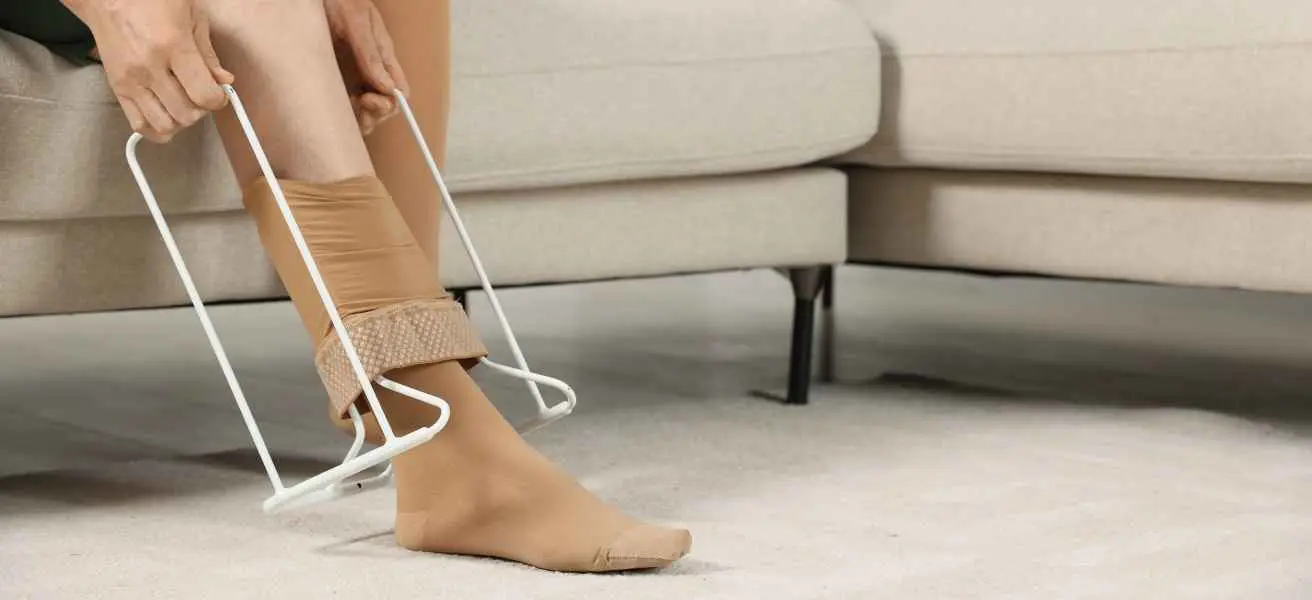
| Compression Therapy | Wearing medical-grade compression garments helps reduce pain, swelling, and heaviness. Research indicates that these garments and pneumatic compression devices are helpful non-surgical treatments that can enhance quality of life by reducing inflammation and pain [2]. |
| Exercise | Low-impact activities like swimming, walking, or cycling promote circulation and lymphatic drainage without causing joint stress. |
| Massage | Manual lymphatic drainage (MLD) uses specialised massage techniques to support lymphatic flow and reduce fluid buildup. |
Continue lifestyle changes and conservative lipedema treatments after your lipedema surgery to help the results last longer and improve your quality of life!
Lipedema is a chronic disorder that affects the legs and arms, causing them to be symmetrical, disproportionate and characterised by painful, tender fat.
While this medical condition may visually resemble common obesity, it is rooted in abnormal fat metabolism.
A person can have lipedema with or without obesity, and while weight management is essential for overall health, lipedema fat itself is notoriously resistant to diet and exercise alone. This key difference is a primary reason for misdiagnosis.
Due to its presentation, lipedema is often mistakenly labelled as simple obesity, stubborn cellulite, or lymphedema.
Accurate diagnosis requires a doctor experienced in differentiating it from similar conditions.
The only way to self-diagnose lipedema is through a pinch test.
The pinch test for lipedema involves gently pinching the affected area. It aims to assess the skin texture, pain response, and how the tissue feels.
During the pinch test, if the affected area has any pain or feels different in texture compared to other areas of your body, you may suffer lipedema.
However, the pinch test should not be regarded as a definitive diagnosis.
If the test suggests you might have lipedema, seeking a professional opinion for further evaluation and an accurate diagnosis is important.
Dr Puah and our medical team will provide you with a detailed post-op guide.
The team will also make regular phone calls to ensure you have one-to-one access to us if you have any questions.
You would also need to visit the doctor for follow-up appointments.
You will also need to visit the doctor for follow-up appointments. Manual Lymphatic Drainage (MLD) therapy is strongly recommended after lipedema surgery to reduce swelling, manage pain, and support healthy healing.
If you require additional support with a patient, consider searching online, where community resources are abundant.
Many patients find comfort in connecting with others who have undergone the same journey.
Lipedema surgery via liposuction has been scientifically proven to improve your medical condition, mobility, pain levels, quality of life, and self-image.
Patients often report feeling lighter, moving more easily, and experiencing significantly less tenderness in the affected limbs.
The cost of Lipedema surgery in Singapore varies per practice as it is highly dependent on:
These factors all contribute to the overall cost of the procedure.