Facial fat transfer recovery in Singapore: what to expect from day 1 to month 6, swelling and bruising timeline, aftercare, and how long results last.
October 18, 2026


Public parking available or drop off along Arab Street, Village Hotel Bugis (Previously known as Golden Landmark Hotel)
Buses (2, 12, 32, 33, 130, 133, 133A, 520, 960, NR7) MRT (alight at Bugis MRT station)


Often labelled as simple obesity, cellulite or lymphedema, accurate diagnosis requires a doctor experienced in differentiating it from similar conditions.
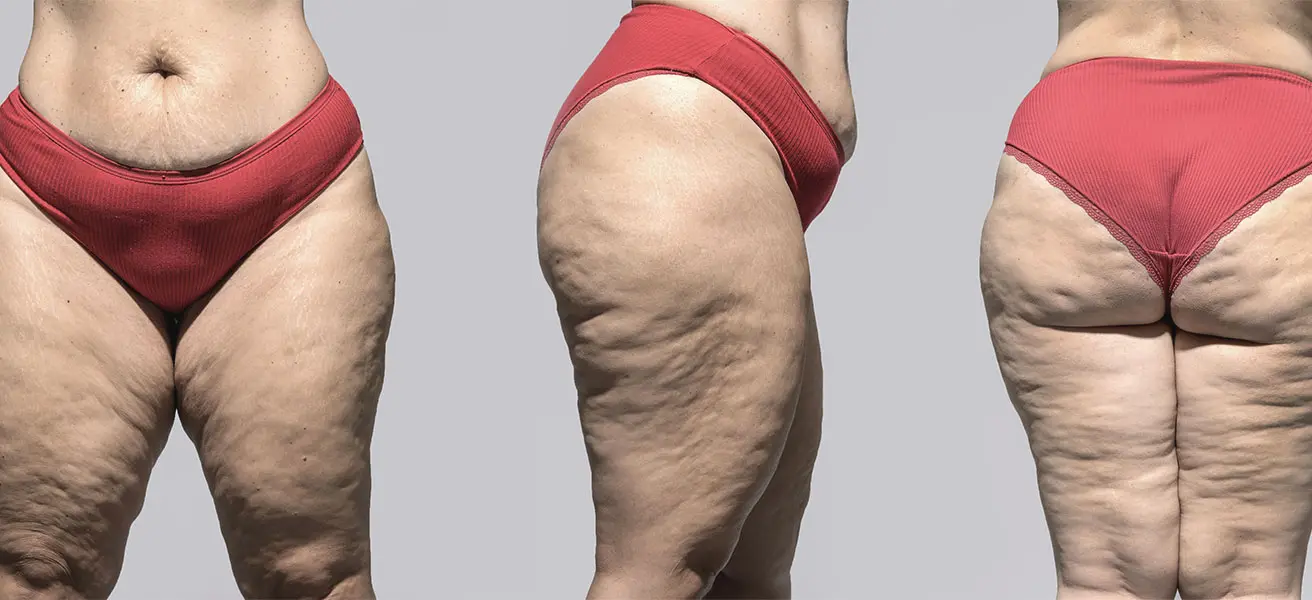
Lipedema is a chronic disorder that affects the legs and arms, causing them to be symmetrical, disproportionate and characterised by painful, tender fat.
While this medical condition may visually resemble common obesity, it is rooted in abnormal fat metabolism.
A person can have lipedema with or without obesity, and while weight management is essential for overall health, lipedema fat itself is notoriously resistant to diet and exercise alone. This key difference is a primary reason for misdiagnosis.
Due to its presentation, lipedema is often mistakenly labelled as simple obesity, stubborn cellulite, or lymphedema. Accurate diagnosis requires a doctor experienced in differentiating it from similar conditions.
Lipedema shares symptoms with several other disorders, leading to frequent confusion.
Lymphedema [1]
Both cause swelling, but lymphedema results from lymphatic fluid accumulation, while lipedema involves abnormal fat deposition. A critical diagnostic tool is the Stemmer's sign, which is typically negative in lipedema.
Madelung's disease [2] / Multiple symmetrical lipomatosis [3]
Characterised by non-painful lipomas around the neck and shoulders, unlike lipedema's painful, diffuse fat in limbs.
Dercum's disease [4]
Involves painful, often discrete lipomas, usually on the trunk and arms, rather than lipedema's symmetrical, column-like limb enlargement.
Acquired Lipodystrophy [5]
This condition causes fat loss or changes in fat distribution and can look like lipedema.
Fibromyalgia [6]
Those with lipedema may be misdiagnosed with fibromyalgia because they have similar symptoms, like pain and fatigue.
Chronic Venous Insufficiency (CVI) [9]
Causes swelling, heaviness, and skin changes (like varicose veins) due to poor blood return, which can co-exist with or be confused for lipedema.
Lipohypertrophy [9]
Localised, rubbery fat buildup at sites of repeated insulin injections, distinct from lipedema's bilateral, genetic pattern.
Lipedema is more than just a cosmetic concern. As a chronic condition, it causes physical and psychological burden for those who are greatly affected, primarily women, yet it remains widely misunderstood.
As a doctor who has treated numerous lipedema cases in Singapore, Dr Ivan Puah has seen the profound impact this medical condition has on patients' lives, commonly leading to:
A study exploring the experiences of women living with lipedema found that pain and fatigue are the most significant symptoms reported by those with long-term illnesses.
The research further stated that these symptoms significantly impact their daily lives, and those with lipedema often experience feelings of shame related to their visible symptoms and how others react to their appearance. The condition's visible nature, coupled with widespread medical misunderstanding, often leads to stigmatisation.
Lipedema patients are often blamed for their condition, as their fat accumulation is assumed to be obesity. Instead of getting the right help they need, they are constantly advised to manage it themselves, which silences them and leads to neglect within the healthcare system [12].
For patients, the journey is often fraught with challenges.
For many patients, conservative management such as compression therapy, manual lymphatic drainage, an anti-inflammatory diet and gentle exercise forms a crucial foundation of care. However, for those with progressive symptoms, these measures may become insufficient.
At Amaris B. Clinic, we have seen how our patients benefit from lipedema surgery, from improved mental well-being to increased mobility, reduced physical pain and discomfort and elevated self-image. However, the journey starts with awareness and understanding.
Reach out if you or someone you know is struggling with lipedema. Together, we can take the first step toward a better quality of life.
To help manage symptoms, it is advisable to avoid high-impact exercises that stress the joints, as well as diets high in processed foods, sugars, and excessive alcohol, which can promote inflammation.
Crucially, be wary of non-invasive fat reduction treatments like cryolipolysis (fat freezing), as they are not designed for lipedema tissue and may worsen the condition or cause irregularities.
Lipedema itself is not considered a life-threatening condition but has a heavy impact on quality of life as it causes chronic pain, reduced mobility, and psychological distress.
However, managing co-existing conditions like obesity is essential for long-term health.
Lipedema tend to worsen during hormonal fluctuation periods such as puberty, pregnancy and menopause. Massive weight gain can also exacerbate the symptoms.
The development of secondary lymphedema (lipo-lymphedema) is a common complication that worsens swelling and symptoms.
Key strategies include:
Yes, lipedema almost exclusively affects those born female.