Who qualifies for breast fat transfer in Singapore? Check health criteria, donor fat, contraindications and timing after pregnancy.
October 26, 2026


Public parking available or drop off along Arab Street, Village Hotel Bugis (Previously known as Golden Landmark Hotel)
Buses (2, 12, 32, 33, 130, 133, 133A, 520, 960, NR7) MRT (alight at Bugis MRT station)


Fat grafting can correct botched liposuction & gynecomastia surgery, uneven contours & dented scars using your own fat. Learn how it works.

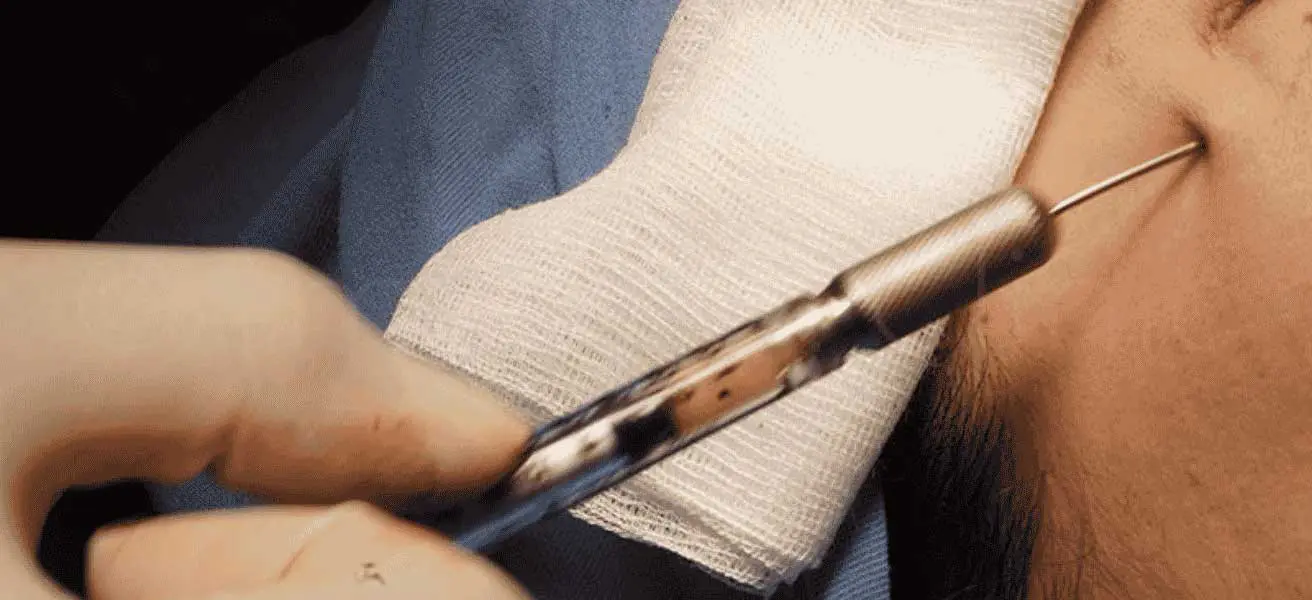
Fat grafting for corrective procedures uses your own fat to fill in dents, hollows and uneven areas left by botched liposuction or gynecomastia surgery, injury, or accident. Fat is harvested, purified and injected into the affected area, sometimes alongside corrective liposculpture, to restore a smoother, more even contour.
Corrective fat grafting is the use of your own fat to repair contour irregularities and tissue loss. Unlike enhancement procedures, the goal here is restoration: making an area look normal again.
It is commonly used for:
| Concern | How fat grafting helps |
|---|---|
| Botched liposuction | Evens out uneven, asymmetrical body shape and skin texture, most often on the abdomen and thighs. |
| Dented or atrophic scars | Fills uneven scar tissue through minor surgical correction |
| Botched gynecomastia surgery | Fills in crater in the male chest |
Liposuction is more than removing fat. It calls for scientific knowledge and finesse, and that competence comes only with years of experience.Poor outcomes often follow when a doctor makes multiple unnecessary incision points or applies incorrect techniques. The result can be an uneven, asymmetrical body shape and skin texture.
In many cases, yes. Dr Ivan Puah explains that the abdomen and thighs are the two most common areas affected by botched jobs. He says that “fat grafting with or without corrective liposculpture will help to even up these imperfections and make them look normal again.”
The approach depends on the problem:
Suitability depends on the extent of the irregularity and the amount of donor fat available. An in-person assessment is needed.
Yes, in suitable cases. People who have had skin and tissue injuries from accidents or surgery may be left with dented scars.
Dr Puah says, “Uneven or atrophic scar tissues on the skin can sometimes be treated effectively with minor surgical correction with fat grafting.”
The word “sometimes” matters. Results depend on the type, depth and location of the scar, so a consultation is essential.
Yes. Fat grafting can be used to fill in the indented appearance from crate deformity, asymmetry or a sunken chest, to create a natural-looking chest contour.
Correction is harder than a first-time procedure, so experience matters more. Don’t choose by price alone. Look for:
Dr Ivan Puah is accredited by the Ministry of Health to perform liposuction and has over 20 years of surgical experience. He chairs the Lipo Peer Review Committee Singapore, trained in Vaser liposuction in Colorado and Argentina, and trained in laser lipolysis in Italy. His proprietary MDC-Sculpt® Lipo technique removes fat, shapes the body and tightens the skin.
It is the use of your own fat to repair contour irregularities, dents and volume loss caused by botched liposuction, scars, or injury.
Often, yes. Fat grafting, with or without corrective liposculpture, can even out imperfections, especially on the abdomen and thighs.
According to Dr Puah, the abdomen and thighs.
Sometimes. Uneven or atrophic scars can be treated effectively in some cases with minor surgical correction using fat grafting.
Multiple unnecessary incision points and incorrect techniques can lead to an uneven, asymmetrical shape and skin texture.
Yes. Multiple sessions are possible for enhanced results.
Suitability depends on the problem, its severity and available donor fat. An MOH-accredited doctor can confirm this at consultation.