Who qualifies for breast fat transfer in Singapore? Check health criteria, donor fat, contraindications and timing after pregnancy.
October 26, 2026


Public parking available or drop off along Arab Street, Village Hotel Bugis (Previously known as Golden Landmark Hotel)
Buses (2, 12, 32, 33, 130, 133, 133A, 520, 960, NR7) MRT (alight at Bugis MRT station)


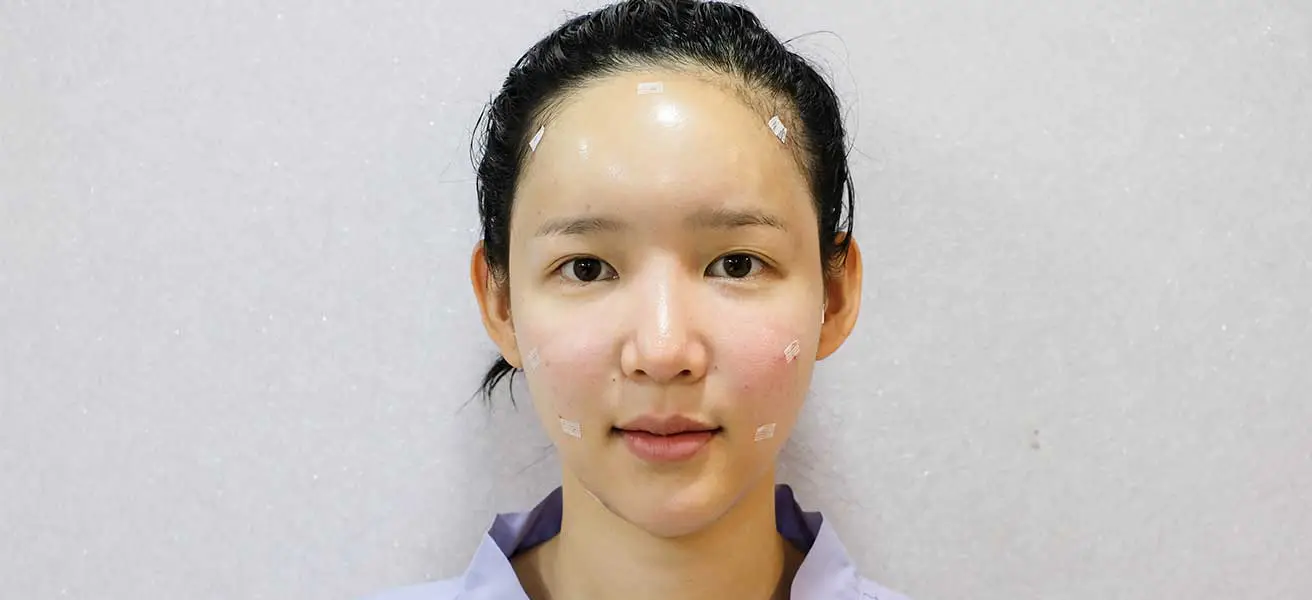
“I had plenty of curves, they’re just all in the wrong places!” Fat transfer do exactly that and can give you a better body shape but even a more youthful face.

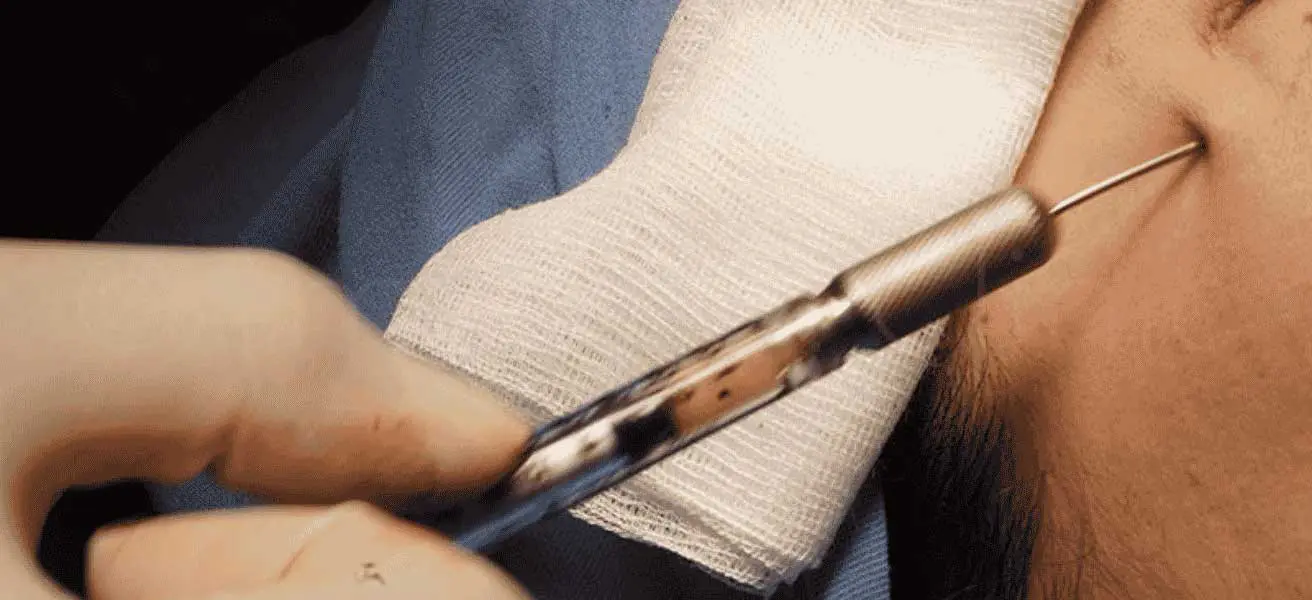
Fat transfer (also called fat grafting or fat injection) is a two-step procedure that removes fat from one area of the body, usually the abdomen or thighs, via liposuction, then re-injects it into another area, such as the face, breasts, or buttocks, to add volume and a natural, youthful contour. Because it uses your own tissue, it carries no risk of allergic reaction or rejection, and most patients retain 60% - 75% of the transferred fat permanently.
Fat transfer is also known as fat grafting or fat injection. It is a cosmetic procedure that relocates a patient's own fat from a "donor site" to an area that needs more volume. Common donor sites are the abdomen, flanks, and thighs. The harvested fat is purified and then injected into the target area.
It's commonly used for:
Because most facial ageing is caused by volume loss rather than sagging alone, fat transfer is increasingly used as a facial rejuvenation treatment, not just a body-shaping one.
Both treatments smooth wrinkles, restore facial volume, and improve contouring — but they differ in material, downtime, longevity, and cost.
| Factor | Fat Transfer | Dermal Fillers |
|---|---|---|
| Material used | Your own body fat (autologous) | Synthetic or biosynthetic substances (e.g., hyaluronic acid) |
| Allergy/rejection risk | None — it's your own tissue | Possible in patients with multiple allergies |
| Procedure time & downtime | Requires liposuction + injection; some swelling and a few days of recovery | Typically under an hour, minimal to no downtime |
| Longevity | Long-lasting; 60% - 75% of transferred fat is typically retained permanently | Temporary; needs repeat sessions at regular intervals |
| Upfront cost | Higher per session | Lower per session, but recurring costs add up over time |
| Best for | Larger-volume changes (breast, buttock, extensive facial volumizing), patients wanting a permanent result | Smaller touch-ups, patients wanting a quick, low-downtime option |
Since fat transfer uses your body's own resources, it eliminates the risk of allergic reaction or rejection while restoring volume for a natural look. Dermal fillers, by contrast, use synthetic materials that can occasionally trigger reactions in patients with multiple allergies — always discuss your medical history with your doctor before choosing either option.
Fillers typically involve no incisions or anaesthesia, and patients can leave the clinic within the hour. Fat transfer involves fat harvesting (liposuction) followed by injection, so some swelling and a short recovery period should be expected, though discomfort is generally minimal.
Fillers often need to be repeated at intervals depending on the product used and how the body metabolizes it. Fat transfer results are longer-lasting: most patients permanently retain 60% - 75% of the transferred fat.
Fillers tend to have a lower cost per session, but repeat treatments accumulate over time. Fat transfer has a higher upfront cost but is typically a one-time investment, especially for larger areas like breast or buttock augmentation.
Whether you're considering fat transfer or filler injections, choose a credible, experienced doctor who understands how to create natural-looking results. For fat transfer specifically, confirm that your doctor:
To find out if you're a suitable candidate for fat transfer or filler injections, visit Amaris B. Clinic to learn more or schedule a consultation with Dr Ivan Puah.
Dr Puah is MOH-accredited to perform liposuction in Singapore and trained in fat grafting under French surgeon Dr Pierre Fournier. He is also an appointed doctor's trainer for fillers and neurotoxin injectables. Drawing on years of clinical practice in aesthetic medicine, he evaluates each patient individually to personalise a treatment plan for natural-looking results.
Most of the results are long-lasting. Studies and clinical experience show patients typically retain 60% - 75% of the transferred fat permanently, compared to dermal fillers, which are metabolised and need repeat sessions.
Discomfort is generally minimal, though it varies by treatment area. Because the procedure involves both liposuction (fat harvesting) and injection, expect some swelling and mild soreness for a few days afterward.
Nothing, "fat transfer," "fat grafting," and "fat injection" refer to the same procedure and are used interchangeably.
Yes. Facial fat grafting is commonly used to restore volume lost to ageing, such as sagging cheeks, hollow under-eyes, and loss of facial definition, giving a more youthful appearance.
Fat transfer carries no risk of allergic reaction or rejection because it uses your own tissue. Fillers are generally very safe but use synthetic materials that can occasionally cause reactions in patients with multiple allergies.
Suitability depends on your aesthetic goals, the amount of donor fat available, and your overall health. A consultation with an MOH-accredited liposuction doctor experienced in fat grafting is the best way to find out.