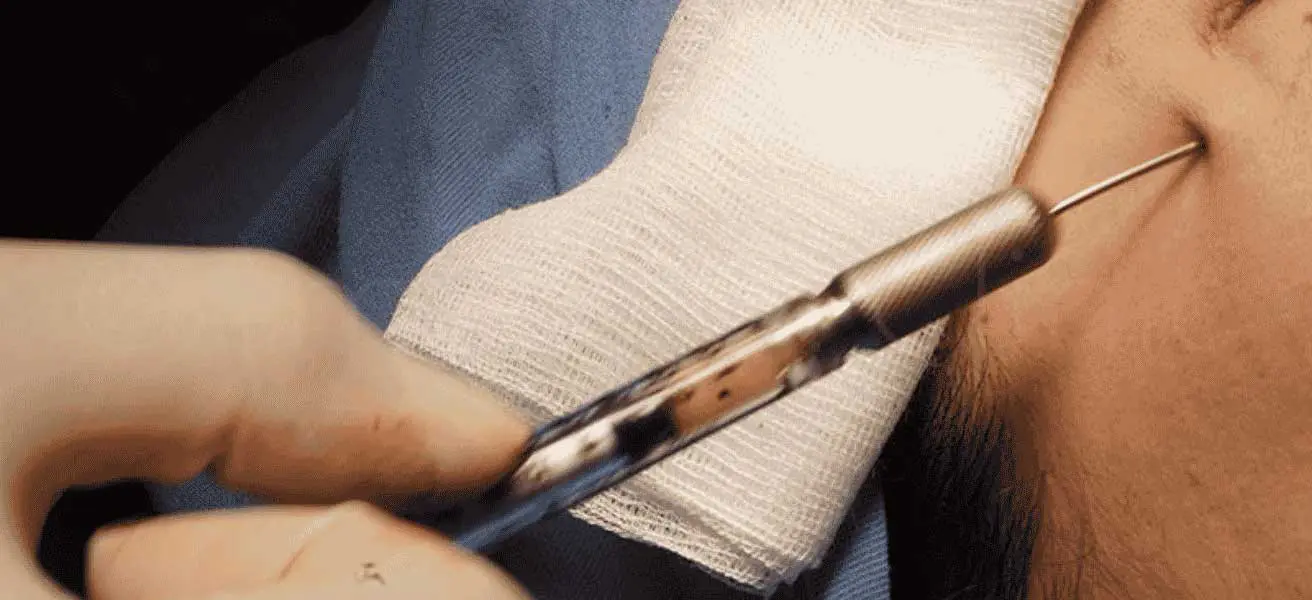
Lipedema patients experience pain and discomfort, intertwining physical and psychological issues, increasing feelings of isolation and self-blame.
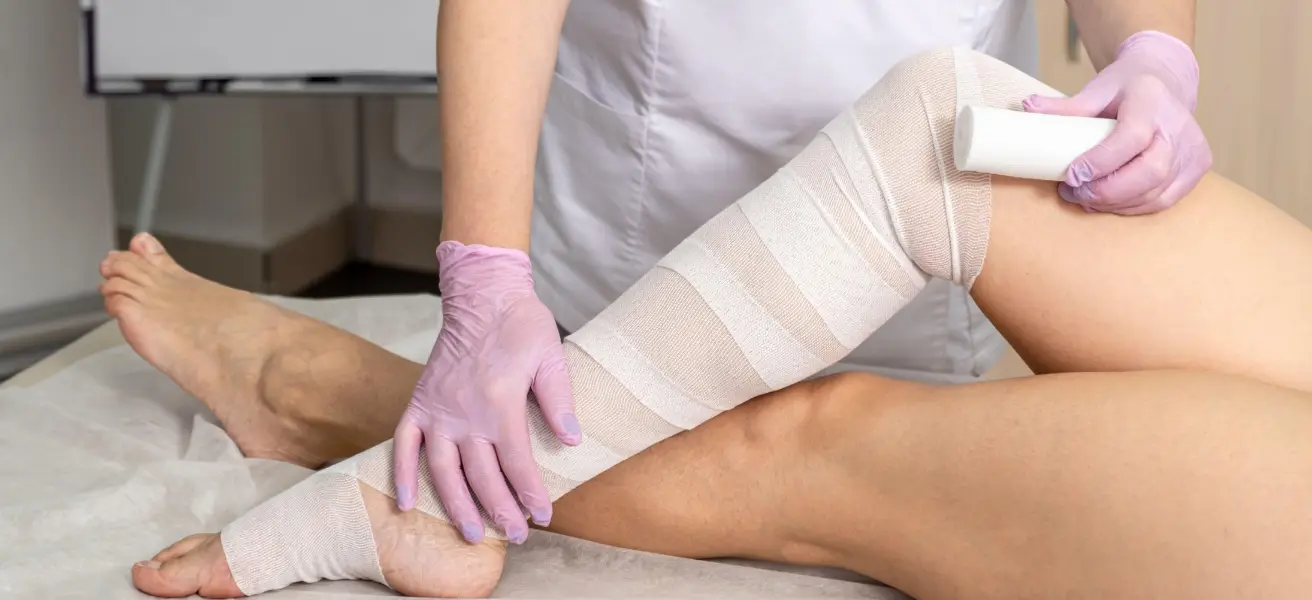
Table of Contents
Lipedema is a condition affecting mostly women, marked by abnormal fat distribution that impacts quality of life and mental health. It often begins during hormonal changes like puberty or pregnancy, with symptoms arising between ages 12 and 14.
Patients experience pain and discomfort, often alongside low self-esteem, depression, and social isolation. The condition leads to decreased mobility and mental health challenges, with social stigma contributing to emotional distress and avoidance of romantic relationships.
Overall, lipedema intertwines physical and psychological issues, increasing feelings of isolation and self-blame.
Lipedema, also spelt as lipoedema, a poorly understood disease characterised by irregular fat distribution and accumulation, can dramatically impact quality of life, workforce participation, and healthcare costs [1].
It frequently causes physical discomfort, psychological distress, and other health complications. [2].
Lipedema can even develop before age 10, affecting women worldwide

The cause of lipedema is usually manifested during periods of hormonal fluctuations, such as puberty and pregnancy, but may also occur during menopause.
Lipedema has been known since the 1940s, but it received little attention until recently, gaining scientific focus only in the last 15 years.
The Lipedema Foundation Registry data indicate that most lipedema patients notice symptoms during puberty, especially between the ages of 12 and 14. Of 511 participants:
- About 10% reported symptoms during other hormonal changes
- 4.5% during pregnancy
- 5.5% during menopause
- 11% who experienced symptoms before age 10
- 94% had a family history of lipedema [3].
In some studies, a global estimate says 11% of women and people assigned female at birth have lipedema [8], while a literature review estimated that 10-11% of women, some 400 million people, have lipedema [4].
Experts think there are differences in how lipedema manifests around the world [5]:
- German women: One in ten women suffers from it.
- Caucasian women in Europe are particularly affected.
- Asian women: Lipedema is not known at all, although many are suffering from it
- African women tend to develop lipedema on the outer thighs and hips
What does lipedema look like?
| Symmetrical fat distribution | Lipedema affects the legs and sometimes the arms, with symmetrical fat accumulation. |
|---|---|
| Body Disproportion | The upper body appears slimmer or a different size than the affected areas, like the legs or arms. |
| Lumpy skin texture | Lipedema can cause uneven skin texture and nodules that feel like peas, walnuts, or pebbles in advanced stages. |
| Bruising | Lipedema patients tend to bruise easily, while those with fat legs from obesity do not usually experience this symptom. |
| The "cuff" effect | A distinct visual evidence of lipedema is that the hands and feet are unaffected, so the abnormal fat stops at the ankles or wrists, giving the cuff or bracelet appearance. |
| Column-Like Shape | Legs are often uniform or column-like, with localised fat "bulges" around the knees. |
| Skin dimpling | In early stages, the skin may look dimpled, bumpy, or uneven, resembling cellulite, cottage cheese, or an orange peel. In later stages, it can form large, hanging folds of fat and skin. |
What does lipedema-associated pain feel like?
Approximately 70% of lipedema patients with lipedema experience pain.
The pain associated with lipedema can vary widely, ranging from a heavy, dull ache in the legs to extreme discomfort even from the slightest touch.
For some, a gentle bump against the legs can feel as painful as a hard kick.
Here are some examples of pain commonly experienced in lipedema:
- Heavy, achy legs
- Pain in the calves, particularly when standing
- A mild sensation resembling that of an overworked muscle
- Tingling or restless sensations in the affected areas
- Discomfort caused by fat deposits around the knees when kneeling
- Pain in the hips and knee joints
- Persistent pain that mental health issues can exacerbate
Psychological and physical Impact of lipedema in patients
The relationship between the physical and psychological aspects of lipedema adversely affects health and diminishes quality of life [11, 12].
Poor Body Self-Image & Low Self-Esteem
Lipedema patients with lower extremity lipedema experience significant body image concerns [9].
The idealised appearance of thinness in today's society exacerbates the negative effects of the disease.
They report losing self-esteem due to reduced physical activity and a shift toward an aesthetic appearance [10].
Depression, stress, fatigue, and limited mobility
Lipedema significantly affects daily functioning, primarily affecting appearance and mobility, which can lead to joint deterioration and limit physical activity [13] and work engagement [14, 15, 16].
Lipedema patients often experience pain and distress related to their physical appearance, leading to reduced emotional and social well-being.
Mental health issues, such as eating disorders, attempted suicide, depression, stress, fatigue, and low self-esteem [17], are common, with about 40% of individuals reporting depression and 16% reporting eating disorders [17].
Research suggests a prevalence of depression between 31% to 59% and eating disorders at about 18% [18].
Moreover, those with lipedema stages 3 to 4 tend to experience higher rates of these mental health challenges, especially among individuals with a BMI of 40 or higher [18].
Patients with advanced lipedema also reported that their medical condition caused problems at work, difficulty finding a job and job loss [19].
Lipedema patients often reported pain (85%), fatigue (82%), and a loss of mobility (33%) [20].
Social isolation
Psychological distress experienced by lipedema patients, include feelings of sensitivity, inferiority, loneliness, and social isolation, leading to affected confidence, self-worth, and social interactions, leading to social avoidance [23].
They reported that these feelings were often linked to their condition, contributing to shame and fear of judgment from others.
Relationship challenges & Impacted sexual activity
The impact of chronic diseases, specifically lipedema, on women's intimate relationships can adversely affect sexual health [12].
Research indicates that women with lipedema frequently face stigma and may avoid social, romantic and intimate activities due to distress over their condition [24].
Self-blame, Fat-shamed
A study conducted interviews with 14 women living with lipedema to explore their experiences.
The findings revealed that many of these women felt controlled by their bodies, often facing fat-shaming and being perceived by others as lacking character.
They reported receiving unsupportive advice from healthcare providers on how to manage their condition and often blamed themselves while trying to take responsibility for their situation [26].
Lipedema triggers other health problems
Lipedema can lead to various health complications, including lymphedema [27].
It may also cause osteoarthritis, as substantial edema in the legs may cause the knees to bend in or outward.
Around 70% of people with lipedema may also develop obesity, despite maintaining a normal diet and exercise routine, creating a vicious cycle of weight gain due to reduced calorie expenditure.
Lipedema Surgery with Dr Ivan Puah, more than just diseased fat removal
Dr Puah understands that lipedema affects more than just a woman’s physical appearance.
He believes that a doctor must be observant in listening and empathetic in communication to be in a position to address lipedema patients' concerns effectively.
“Living with lipedema can feel isolating. The pain, swelling, and frustration of being told to “just lose weight” when you know it’s not that simple can be overwhelming. We hear you and understand your struggles," shares Dr Ivan Puah, who has been successfully treating lipedema in patients in Singapore and the Asia Pacific for decades.
This is why each treatment plan is always customised to each patient’s unique condition and body anatomy, which will always include holistic approaches to complement the lipedema surgery with liposuction [29, 30] to achieve optimal results and relieve other symptoms, such as:
- Compression therapy: Consistent pressure to affected limbs helps with the tenderness and improves overall mobility [28]
- Manual lymphatic drainage: MLD Therapy manages fluid buildup, reduces pain, etc [28]
Reach out if you or someone you know is struggling with lipedema. Together, we can take the first step toward a better quality of life.
FAQ
Are there any lipedema support groups in Singapore?
In Singapore, the Lymphatics Support Group Singapore (@lymphatics.sg) provides support for individuals with lymphedema, lipedema, and other types of swelling.
For international support options, a quick online search for "support groups and organisations for individuals with lipedema" can provide many useful results.
LEARN MORE ABOUT LIPEDEMA SURGERY
This painful fat syndrome can be effectively addressed through Lipedema Surgery to remove sick fat, relieve pain, slow progression, and improve quality of life.
Reference
[1] Eakin, G. S., & Peterson, S. (2023). Lipedema: A current understanding of its pathology and natural history version 1-May 2023.
[2] Buck DW 2nd, Herbst KL. Lipedema: A Relatively Common Disease with Extremely Common Misconceptions. Plast Reconstr Surg Glob Open. 2016 Sep 28;4(9):e1043. doi: 10.1097/GOX.0000000000001043. PMID: 27757353; PMCID: PMC5055019.
[3] https://static1.squarespace.com/static/5775899ac534a5e813c050db/t/6290d2cd923a0156d8fcea1e/1653658317504/LF_First+Look+Registry+Report.pdf
[4] Marshall M, Schwahn-Schreiber C. [Prevalence of lipoedema in professional women in Germany. (Lipoedema-3-study)]. Phlebologie. 2011;40(03):127-134. doi:10.1055/s-0037-1621766
[5] https://www.dw.com/en/lipedema-has-nothing-to-do-with-obesity-or-a-poor-diet/a-64286432
[6] https://static1.squarespace.com/static/5775899ac534a5e813c050db/t/651595ab6fc6510c8a69185f/1695913388209/Lipedema%E2%80%93A+Current+Understanding+Pathology+%26+Natural+History_May2023.pdf
[7] Melander, C., Juuso, P., & Olsson, M. (2022). Women’s experiences of living with lipedema. Health care for women international, 43(1-3), 54-69.
[8] Buck DW 2nd, Herbst KL. Lipedema: A Relatively Common Disease with Extremely Common Misconceptions. Plast Reconstr Surg Glob Open. 2016 Sep 28;4(9):e1043. doi: 10.1097/GOX.0000000000001043. PMID: 27757353; PMCID: PMC5055019.
[9] Ersoy, S., Kesiktaş, F. N., Ahısha, B. Ş., Ceylan, C. M., Paker, N., & Buğdaycı, D. (2025). Body image and related factors in patients with lower extremity lymphedema and lipedema: a cross-sectional study. Revista da Associação Médica Brasileira, 71(10), e20250274.
[10] Schlosshauer T, Heiss C, von Hollen A, Spennato S, Rieger UM. Liposuction treatment improves disease-specific quality of life in lipoedema patients. Int Wound J. 2021 Dec 5;18(6):923–31.
[11] Dudek, J., W. Białaszek, and P. Ostaszewski. 2016. “Quality of Life in Women With Lipoedema: A Contextual Behavioral Approach.” Quality of Life Research 25, no. 2: 401–408. https://doi.org/10.1007/s11136-015-1080-x.
[12] Falck, J., B. Rolander, A. Nygårdh, L.-L. Jonasson, and J. Mårtensson. 2022. “Women With Lipoedema: A National Survey on Their Health, Health-Related Quality of Life, and Sense of Coherence.” BMC Women's Health 22, no. 1: 457. https://doi.org/10.1186/s12905-022-02022-3.
[13] Forner-Cordero, I., Szolnoky, G., Forner-Cordero, A., & Kemény, L. (2012). Lipedema: An overview of its clinical manifestations, diagnosis and treatment of the disproportional fatty deposition syndrome - systematic review. Clinical Obesity, 2(3–4), 86–95. https://doi.org/10.1111/j.1758-8111.2012.00045.x.
[14] Fetzer, A., & Fetzer, S. (2016). Lipoedema UK big survey 2014 research report. Lipoedema UK. Retrieved May 18, 2026, from https://www.lipoedema.co.uk/wp-content/uploads/2016/04/UK-Big-Surey-version-web.pdf.
[15] Fetzer, A. (2020). Women in dire need: The far-reaching impact of lipoedema on women’s lives. British Journal of Community Nursing, 25(Sup4), S6–S9. https://doi.org/10.12968/bjcn.2020.25
[16] Fetzer, S., & Warrilow, M. (2021). Living with lipoedema: Liposuction and other treatments [Poster]. British Lymphology Society Conference 2021 (BLS2021), Online.
[17] Clarke, C., Kirby, J.N., Smidt, T. et al. Stages of lipoedema: experiences of physical and mental health and health care. Qual Life Res 32, 127–137 (2023). https://doi.org/10.1007/s11136-022-03216-w
[18] Erbacher, G., & Bertsch, T. (2020). Lipoedema and pain: What is the role of the psyche?—Results of a pilot study with 150 patients with lipoedema. Phlébologie, 49, 305–316. https://doi.org/10.1055/a-1238-6657
[19] Clarke, C., Kirby, J.N., Smidt, T. et al. Stages of lipoedema: experiences of physical and mental health and health care. Qual Life Res 32, 127–137 (2023). https://doi.org/10.1007/s11136-022-03216-w
[20] Stutz, J. (2015). Lipedema can be life-threatening: Increased rates of suicide attempts, depression, and eating disorders among women with lipedema. [Conference session]. 25th World Congress of Lymphology, San Francisco, California, Retrieved May 18, 2026, from https://www.lymfologi.se/anvandarbilder/221/files/Program%20book%20Final%20Sent%20for%20publication%2026Aug15.pdf.
[21] Romejin, J. R. M., de Rooij, M. J. M., Janssen, L., & Martens, H. (2018). Exploration of patient characteristics and quality of life in patients with lipoedema using a survey. Dermatology and Therapy, 8, 303–311. https://doi.org/10.1007/s13555-018-0241-6
[22] Frambach, Y., Baumgartner, A., Schmeller, W., & Hanse-Klinik, L. (2015). Lipödem und Lebensqualität. Vasomed, 27(5), 248–249.
[23] Fetzer, S., & Fetzer, A. (2019). Women in dire need denied surgery and treatments: Preview results of 2019 Lipoedema UK survey report. Lipoedema UK. Retrieved May 18, 2026, from https://www.lipoedema.co.uk/wp-content/uploads/2019/02/lipoedema-A4-2019-surgery.pdf.
[24] Dahlberg, J., E. Nylander, M. Persson, and A. Shayesteh. 2024. “An Uncertain Uphill Battle – Experiences and Consequences of Living With Lipedema.” International Journal of Qualitative Studies on Health and Well-Being 19, no. 1: 2300152. https://doi.org/10.1080/17482631.2023.230
[25] Aitzetmüller-Klietz, M.-L., Busch, L., Hamatschek, M., Paul, M., Schriek, C., Wiebringhaus, P., Aitzetmüller-Klietz, M., Kückelhaus, M., & Hirsch, T. (2023). Understanding the Vicious Circle of Pain, Physical Activity, and Mental Health in Lipedema Patients—A Response Surface Analysis
[26] Melander C, Juuso P, Olsson M. Women's experiences of living with lipedema. Health Care Women Int. 2022 Jan-Mar;43(1-3):54-69. doi: 10.1080/07399332.2021.1932894. Epub 2021 Jul 12. PMID: 34252343.
[27] Hamatschek, M.; Knors, H.; Klietz, M.-L.; Wiebringhaus, P.; Aitzetmueller, M.; Hirsch, T.; Kueckelhaus, M. Characteristics and Patient Reported Outcome Measures in Lipedema Patients—Establishing a Baseline for Treatment Evaluation in a High-Volume Center. J. Clin. Med. 2022, 11, 2836. [Google Scholar] [CrossRef] [PubMed]
[28] Hardy, D., and A. Williams. 2017. “Best Practice Guidelines for the Management of Lipoedema.” British Journal of Community Nursing 22: S44–S48. https://doi.org/10.12968/bjcn.2017.22.sup10.s
[29] Amato, A. C., J. L. Amato, and D. Benitti. 2024. “Efficacy of Liposuction in the Treatment of Lipedema: A Meta-Analysis.” Cureus 16, no. 2: e55260. https://doi.org/10.7759/cureus.55260.
[30] Rapprich S, Dingler A, Podda M. Liposuction is an effective treatment for lipedema-results of a study with 25 patients. J Dtsch Dermatol Ges. 2011 Jan;9(1):33-40. English, German. doi: 10.1111/j.1610-0387.2010.07504.x. Epub 2010 Sep 7. PMID: 21166777.
No reference