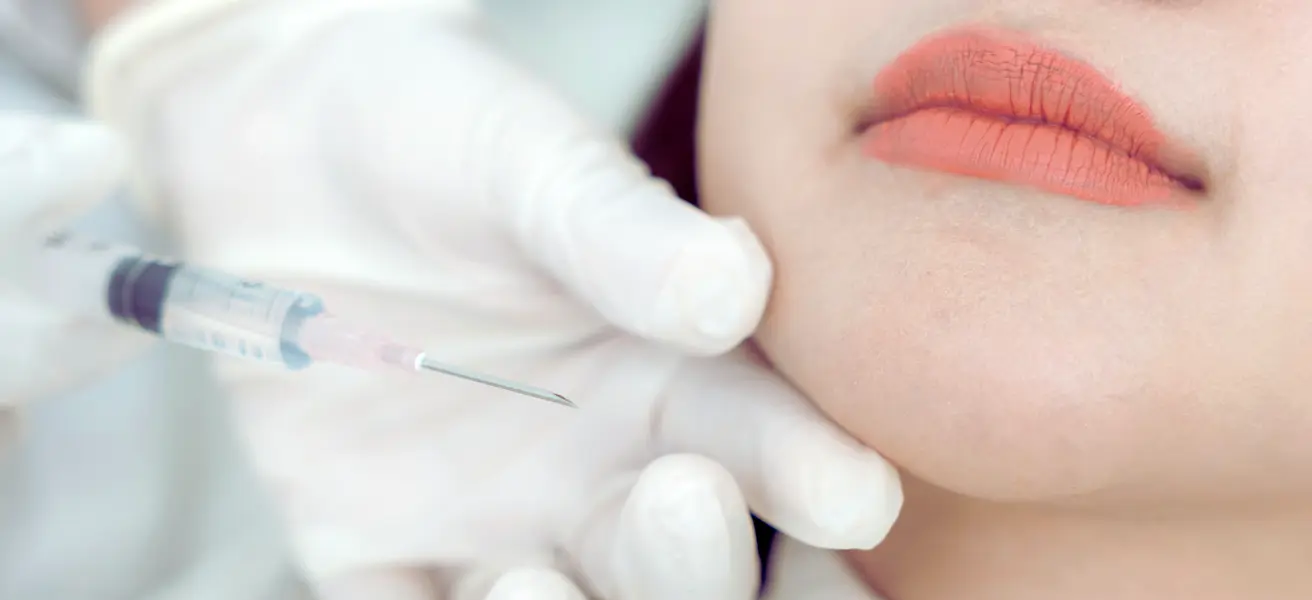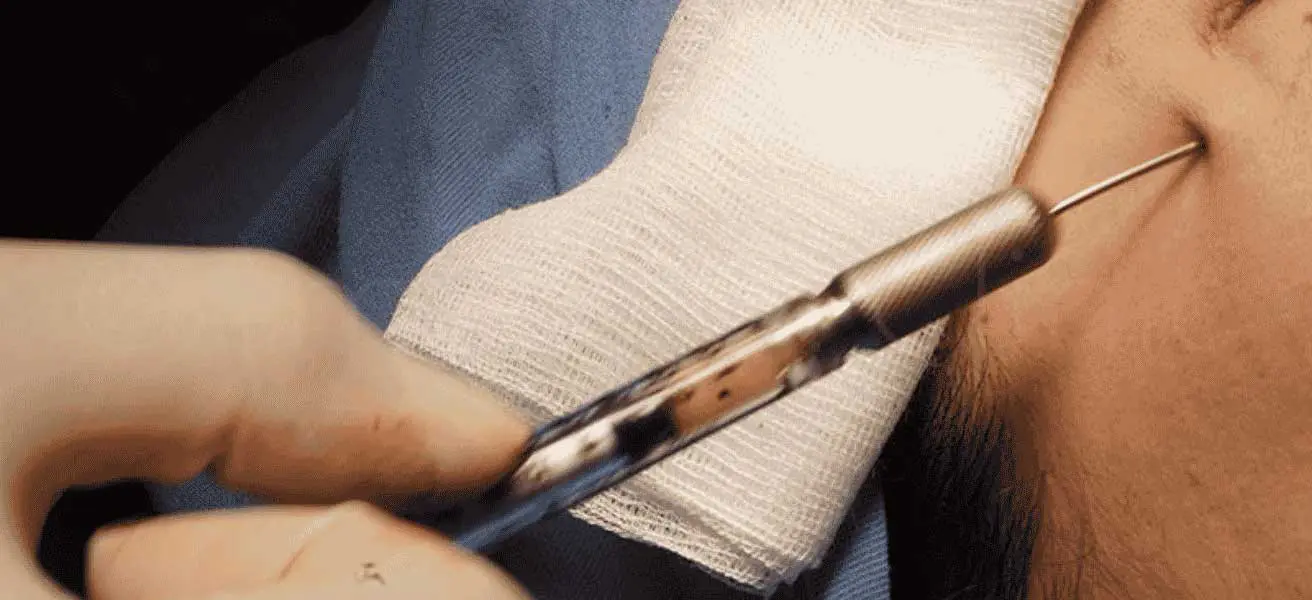
Facial fat grafting restores volume lost from GLP-1 weight loss. Learn how it works, survival rates, recovery, and results vs. fillers in Singapore.
September 26, 2026


Public parking available or drop off along Arab Street, Village Hotel Bugis (Previously known as Golden Landmark Hotel)
Buses (2, 12, 32, 33, 130, 133, 133A, 520, 960, NR7) MRT (alight at Bugis MRT station)


For those considering lipedema surgery, it's crucial to ask your doctor about the condition, surgical risks & benefits, procedure itself, recovery process, etc.
Lipedema is a chronic fat disorder that affects the legs and arms, causing them to be symmetrical, disproportionate and characterised by painful, tender fat. This fat disease also impacts mobility and causes psychological distress.
Before you embark on your lipdema surgery journey, here is an extensive list of questions to ask your doctor.
Ask the doctor for a detailed explanation that provides insights into your condition, including its causes, what steps you can take to mitigate symptoms and manage pain.
What are the pros and cons of going for surgical intervention? The doctor should have an open dialogue with you.
Ask what happens in the operating theatre. Which MOH-accredited day surgery facility will I be in? Enquire about the entire journey, from admission to discharge, so you can anticipate, ease any doubts, and plan better.
Dr Ivan Puah only works with anaesthetists who are registered with the Singapore Medical Council and hold a valid Practising Certificate (PC) issued by the Ministry of Health, Singapore.
It is an MOH requirement that an anaesthesiologist be present to administer anaesthesia and monitor the patient’s vital signs throughout liposuction or lipedema surgery.
Dr Puah typically puts his patients under twilight sedation rather than general anaesthesia.
Twilight sedation has fewer side effects, and recovery is faster; most patients experience less post-operative nausea compared to general anaesthesia.
Ask about the dos and don'ts of post-lipedema surgery. What activities should I avoid? How do I care for the wound at the incision sites? How long before I can see the optimal results?
Depending on the severity of your lipedema, you may try conservative management first.
However, we highly suggest that you get a medical diagnosis first before you begin.
Lipedema is often misdiagnosed, but proper medical advice can lead to effective treatments.
Lipedema surgery is a clinically proven surgical method to improve mobility and manage pain associated with lipedema, not just for aesthetic improvement.
Due to its presentation and shared symptoms with several other disorders, lipedema is frequently mistaken for simple obesity, stubborn cellulite, lymphedema, or other medical conditions [1].
That is why accurate diagnosis requires a medical doctor who is experienced in differentiating it from similar conditions.
Upon diagnosis, the doctor will share the different approaches in Singapore, both conservative and surgical methods, to manage the patient's lipedema condition, based on the severity.
For more severe cases that do not respond adequately to conservative care, surgical options like liposuction may be recommended.
Lipedema liposuction is not for vanity reasons, it is medically indicated to remove diseased fat tissue, relieve pain, and prevent progression to lipo-lymphedema.
This is a question we hear often from patients who have spent years searching for answers.
You have seen multiple doctors. You have been told to lose weight. You have been told it is just cellulite. You have been told there is nothing wrong.
And yet, your legs continue to swell. They hurt to touch. They bruise easily. They feel heavy and tight, even after a full night's rest.
So why does this keep happening?
The reality is that lipedema remains widely misunderstood—even among medical professionals. Lipedema is frequently misdiagnosed as simple obesity, lymphedema, or hormonal weight gain.
Patients are often dismissed, sent home with generic weight loss advice, or told that surgery is not an option.
But here is the truth: Lipedema is a real, chronic, painful fat disease. And it requires a doctor who understands it specifically.
| Recognition of the condition | Dr Ivan Puah does not dismiss lipedema as "just obesity." He diagnoses it properly, using established clinical criteria. |
|---|---|
| Medically indicated surgery | Lipedema surgery at Amaris B. Clinic is not cosmetic. It is performed to remove diseased fat tissue, relieve pain, reduce swelling, and improve mobility. |
| Lymphatic-sparing surgical approach | As lipedema patients often have compromised lymphatic function, Dr Puah uses a surgical technique designed to minimise injury to the lymphatic system while removing the problematic fat. |
| Focus on symptoms, not just appearance | The goal is pain relief, reduced heaviness, improved mobility, and better quality of life. |
| Experience with lipedema patients | Dr Ivan Puah has treated numerous lipedema cases at Amaris B. Clinic, giving him a deeper understanding of how the condition presents and responds to surgery. |
The total price Lipedema surgery in Singapore varies depending on:
What is currently possible:
Many clinics in Singapore, including Amaris B. Clinic, offer payment options such as interest-free credit card instalment plans (subject to bank approval).
This allows you to spread the cost of surgery over several months without paying additional interest.
What is currently not possible (with a few exceptions):
Lipedema surgery is currently classified as an elective procedure under most insurance policies and MediSave guidelines in Singapore.
Despite lipedema being a genuine medical condition, the surgery to treat it is often viewed as "cosmetic" by insurance providers and government schemes.
As a result:
Are there any exceptions?
In rare cases where lipedema has progressed to lipo-lymphedema (a combination of lipedema and lymphedema), and there is documented evidence of significant functional impairment or recurrent infections, some patients have successfully appealed for partial coverage.
However, this is not guaranteed and requires substantial medical documentation.