


Facial fat grafting in Singapore starts at SGD 3,500. Prices vary based on doctor's experience, etc. Fat grafting provides a more natural appearance.
October 4, 2026


Public parking available or drop off along Arab Street, Village Hotel Bugis (Previously known as Golden Landmark Hotel)
Buses (2, 12, 32, 33, 130, 133, 133A, 520, 960, NR7) MRT (alight at Bugis MRT station)


If you've been wondering whether those painful legs & arms are more than stubborn fat or if they are lipedema or cellulite, let Dr Ivan Puah take a closer look.
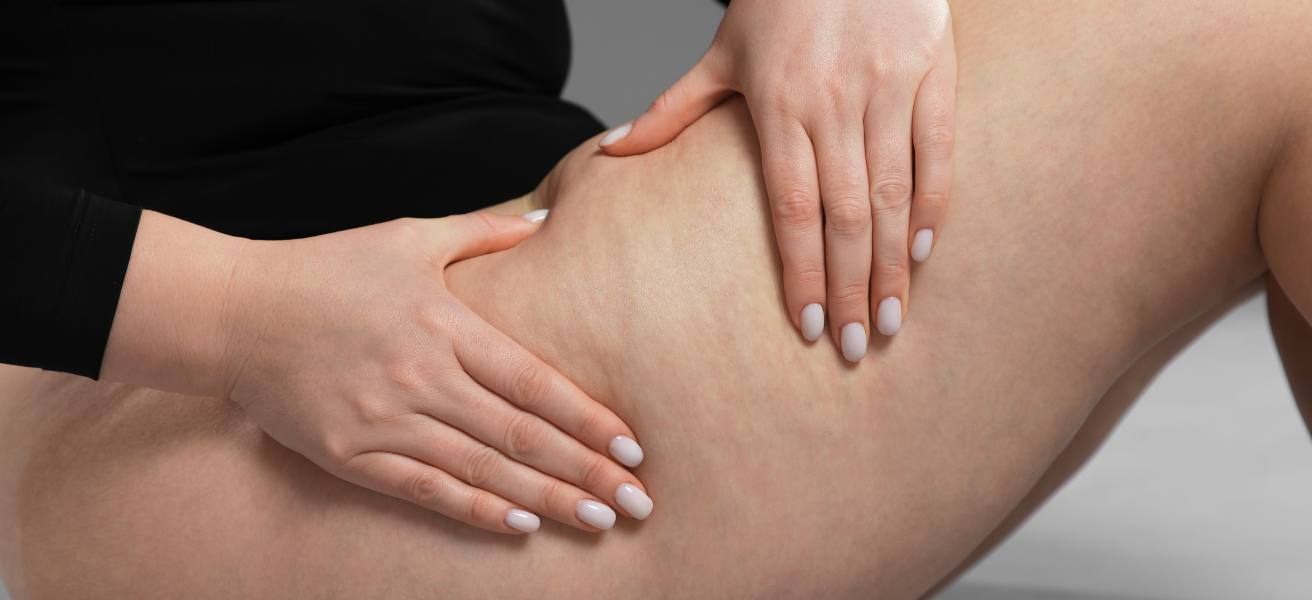
Lipedema and cellulite are distinct medical and skin conditions, although they can appear quite similar, often presenting as skin dimpling and uneven, bumpy skin texture.
Recognising the symptoms of lipedema and cellulite is the first step toward obtaining an accurate diagnosis to receive the appropriate treatment.

According to Herbst KL et. al,
Note: A tissue cuff around the ankles or wrists can appear in all stages.
Types I to V describe the locations of lipedema tissue.
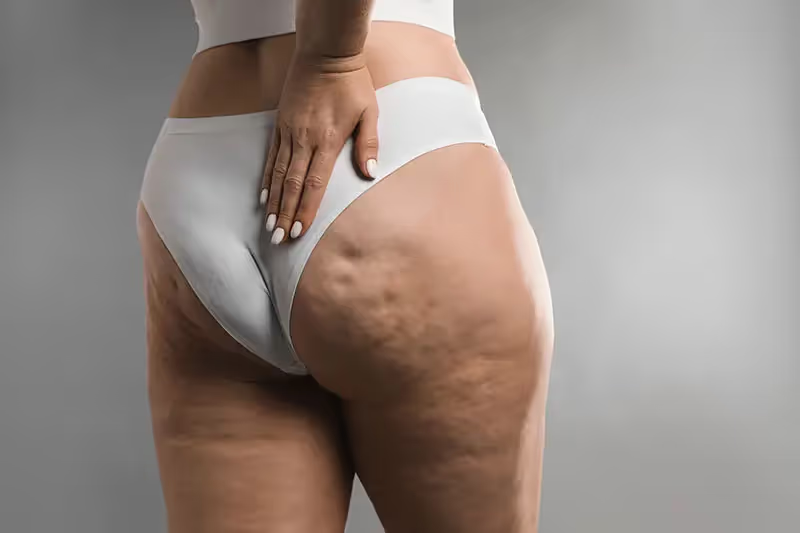
The classification of cellulite, as proposed by Nürnberger and Müller, is based on four distinct grades according to clinical presentation:
| Lipedema | Cellulite | |
|---|---|---|
| Definition | Painful fat disease with high output lymphatic failure | Skin dimpling and indentation of the subcutaneous fat |
| Occurrence | In females only | More common in females than males |
| Causes | • Genetic • Hormones • Inflammation • Fibrosis • Fluid build-up in tissues |
• Hormonal fluctuations • Significant weight gain • Poor diet • Unhealthy lifestyle • Dehydration • Medical conditions • Ageing |
| Limbs affected | Both limbs affected by cuffs, including the arms and shoulders | In the outer and inner thighs, buttocks, abdomen |
| Symptoms | • Pain and tenderness • Symmetrical swelling • Easy bruising • Heaviness in the affected area • Unusual or sudden fatigue • Reduced range of movement • Irregular fat distribution • Skin Changes |
• No pain, no tenderness • Skin Changes |
| Skin | Tender to the touch | Dimpled skin texture |
| Would a compression garment improve the appearance? | ✓ | X |
| Medical condition | ✓ | X |
| Danger to health | • Immobility • Disability due to impaired daily activities • Orthopaedic changes |
• Limited clothing choices |
| Diagnosis | • Physical examination • Medical history • Ultrasound |
• Visual examination • Pinch test • Lifestyle history |
| Treatment | • Manual lymphatic drainage • Exercise • Compression garment • Lipedema Surgery with Liposuction |
• Manual lymphatic drainage • Exercise • Weight loss programme • Cellulite Reduction with Liposuction with Fat Grafting |
How to do: Gently pinch the affected area and pay attention to any feeling of pain or if there's a difference in texture compared to other places. Pain or unusual texture could suggest lipedema.
Limitation: Not fully reliable, as non-essential and overlapping conditions can affect results.
Red flag: Pain, tenderness, swelling, or feelings of heaviness impacting mobility
How to do: Pinch areas with dimpled skin, usually on the thighs and buttocks. If dimples show more when pinched, it's likely cellulite.
Limitation: This test measures temporary changes and may not accurately reflect the overall condition due to factors such as skin slackness or body type.
Red flag: Pain or swelling in the dimpled areas


