Who qualifies for breast fat transfer in Singapore? Check health criteria, donor fat, contraindications and timing after pregnancy.
October 26, 2026


Public parking available or drop off along Arab Street, Village Hotel Bugis (Previously known as Golden Landmark Hotel)
Buses (2, 12, 32, 33, 130, 133, 133A, 520, 960, NR7) MRT (alight at Bugis MRT station)


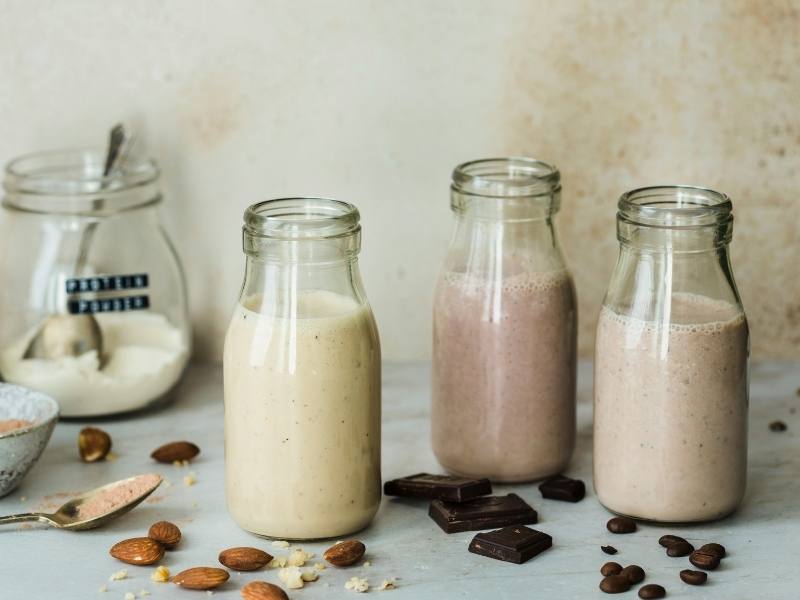
Meal replacement shakes do sound like the magic bullet for many weight watchers. They are relatively cheap and taste decent enough. What’s not to like, right?

Meal replacement shakes do sound like the magic bullet for many weight watchers. They are relatively cheap, often require no preparation, and taste decent enough.
But how sustainable or healthy is this weight loss strategy?

They are convenient, which goes a long way given our current busy lifestyle, where skipping meals and overeating are the norm.
Meal replacement shakes are easily packed within reach. It reduces wait time in the food queue and solves the proverbial question of "what to eat today?"
A study showed that "dietary compliance and convenience were viewed more favourably by participants who consumed meal replacements than by those in a conventional weight loss program." [1]

Generally, meal replacement shakes provide the nutrients you need in a complete meal, such as fibre, healthy fats, and phytonutrients found in whole foods like fruits, vegetables, and grains, but the debate over that remains ongoing.
Some nutritionists suggest that every meal-replacement shake should be supplemented with a low-calorie snack, such as a small fruit salad.
This is to ensure the body receives the nutrients it needs, including antioxidants and other vitamins and minerals.
Muscle loss, instead of fat loss
Losing weight too rapidly, particularly without adequate protein intake from whole foods, can lead to muscle loss instead of fat loss.
Maintaining muscle mass is crucial for metabolism and overall health.
Read more about other weight loss blogs
Weight loss is about calorie reduction. A low-calorie diet, however, can lead to frequent hunger pangs. This may lead to cyclical patterns of dieting and weight regain.
A meal-replacement shake does help you feel full, but a liquid-only diet isn't a healthy way to lose weight.
Prolonged reliance on meal replacement shakes can lead to metabolic adaptation, in which the body adjusts to a lower-calorie intake.
This can make it more difficult to lose weight over time and may result in weight regain once regular eating patterns are resumed.
Relying solely on shakes can lead to an unhealthy relationship with food.
It may foster a cycle of restrictive eating and bingeing, contribute to feelings of deprivation, or create anxiety around food choices and meals.
One research revealed that "meal replacements are generally not recommended in clinical guidelines for the management of obesity." [2]
However, another study takes a different view, stating that "meal replacements, particularly in beverage form, are now an effective and safe component for use in the clinical setting." [3]
Weight loss involves more than just gulping down a meal replacement shake. It involves adopting a healthy lifestyle that extends beyond meal times.
You can substitute one or two of your daily meals with a meal replacement shake. They may work, but only if accompanied by a healthy lifestyle change.
Understand what your body needs and reduce or eliminate what it can do without for whatever your goals are.