Facial fat grafting restores volume lost from GLP-1 weight loss. Learn how it works, survival rates, recovery, and results vs. fillers in Singapore.
September 26, 2026


Public parking available or drop off along Arab Street, Village Hotel Bugis (Previously known as Golden Landmark Hotel)
Buses (2, 12, 32, 33, 130, 133, 133A, 520, 960, NR7) MRT (alight at Bugis MRT station)


Aesthetic bodybuilding is about more than size. Learn what shapes a competition-ready physique & why concerns like gynecomastia require specialised treatment.
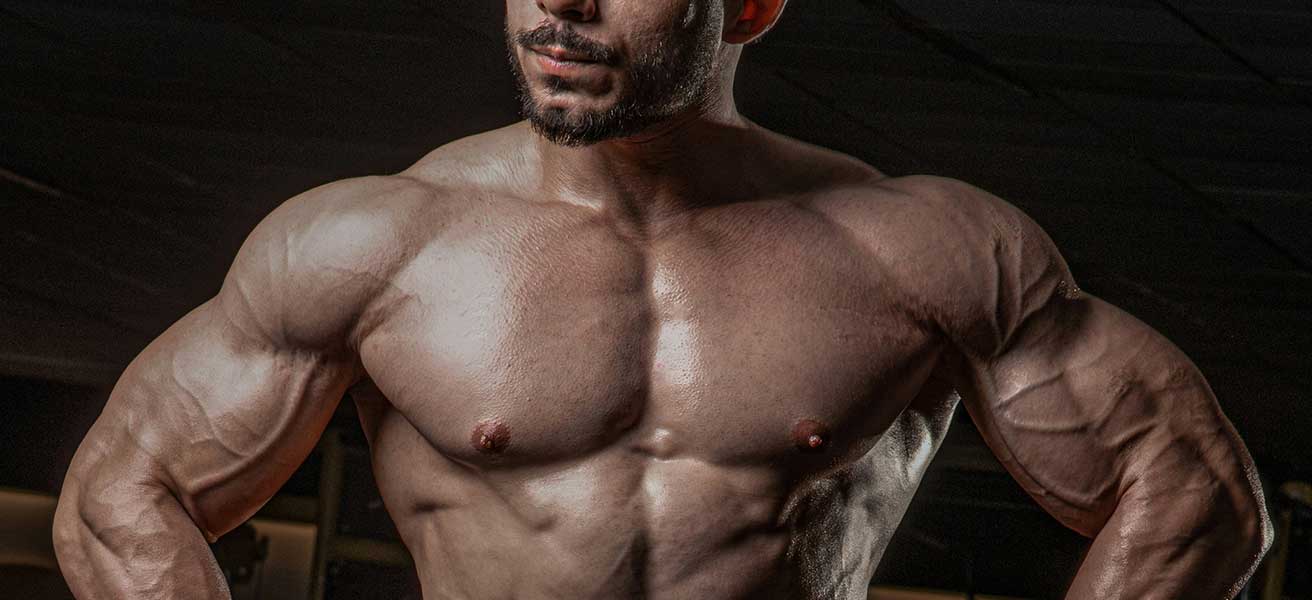
An aesthetic bodybuilding physique isn't just about size, it's about symmetry, proportion, and how favourably genetics shape individual muscle groups.
Two bodybuilders with equal muscularity can look completely different on stage because of inherited differences in muscle shape, tendon length, and even in how their bodies distribute fat.
Chest appearance is one of the most closely judged areas, which is why conditions like gynecomastia can have an outsized impact on a competitor's overall look.
Bodybuilding is broader than most people assume. Anyone who lifts weights to improve their physique, shedding fat, building muscle, and working toward symmetry and proportion, is, by definition, a bodybuilder.
Aesthetic bodybuilding narrows that focus specifically to the appreciation and pursuit of visual beauty in physique.
It's a more subjective, almost artistic pursuit, what one judge or audience finds aesthetically pleasing, another may not, particularly as trends and personal taste evolve over time.
Competitive bodybuilding, by contrast, is built on methodical training: Resistance exercises performed progressively, with every rep and set calculated to develop the body evenly and avoid over- or under-training specific muscle groups.

Even with identical training programs, no two physiques develop the same way.
Genetics and lifestyle factors both shape the final result, and individual muscle groups vary enormously between people:
One of the most genetically variable muscles in the body, the biceps is often thought to have two heads, but some individuals have been documented to have as many as seven.
Abs vary naturally in shape and symmetry, which is why some people can achieve a defined 8-pack while others physically cannot, regardless of how much fat they lose.
Ab shape is genetically fixed and cannot be changed through training.
This affects overall size perception.
Shorter tendons paired with longer abdominal muscle create a fuller, more curved appearance that looks larger than it measures.
The reverse, longer tendons and shorter muscles, produces a flatter look even at a similar muscle mass.

Compared to the biceps, the chest varies less in natural shape, but it draws outsized attention in physique assessment.
Small differences in chest appearance have a disproportionately large impact on how balanced and symmetrical a physique looks overall.
This is part of why chest-area conditions are taken so seriously in competitive bodybuilding circles.
One of the most common, and most disruptive to stage-ready symmetry, is gynecomastia, often linked to anabolic-androgenic steroids (AAS) use.
As it directly affects the chest's contour and symmetry, even a mild case can undermine an otherwise well-developed physique.
| Nipple Puffiness | The areola and nipple appear swollen or stick out more than usual. |
| Contour Distortion | It disrupts the chiselled, blocky look of the pectoral muscles, often creating a rounded or cone-shaped appearance. |
| Bilateral or Unilateral Swelling | It frequently occurs asymmetrically, affecting only one or both breasts. |
| Pinch test | When pinching your areola area, gynecomastia feels like a firm, dense, or rubbery ball located right behind the areola. |

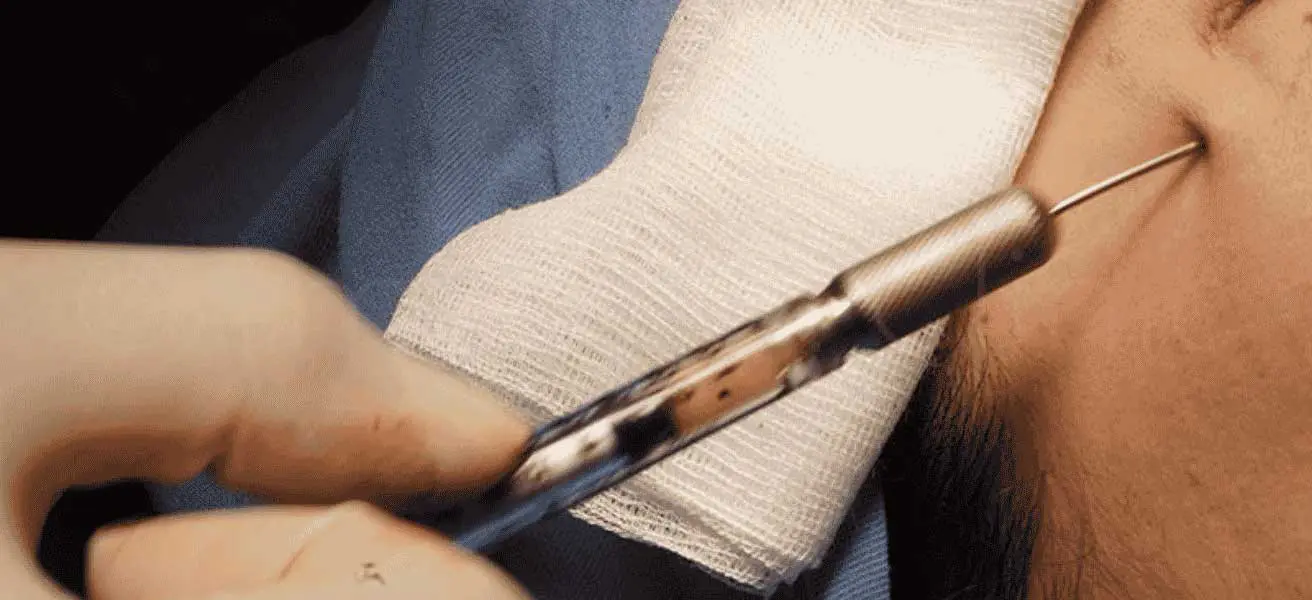
Dr Ivan Puah, an MOH-accredited and experienced liposuction doctor in Singapore, who is also the lead author of a research paper, “Surgical Management of Gynecomastia in Asian Men - Clinical Experience and Considerations for Different Patient Types,” has treated many bodybuilders seeking gynecomastia surgery to remove enlarged glandular tissue and sculpt their chests before they start training for events and competitions.
This enables them to heal properly before embarking on their training regimens.
“Special attention is crucial in treating bodybuilders with gynecomastia to prevent bleeding and scarring. Enlarged chest muscles can lead to a higher risk of bleeding, especially with anabolic steroid use and certain unregulated supplements. Besides removing the excess tissue, care must be taken to sculpt the chest to enhance their musculature and help achieve their desired physique.”
The 360°GTD®️ technique, developed by Dr Ivan Puah, can specifically address this issue.that will effectively reduce the invasiveness of the procedure, allowing for a more desirable cosmetic outcome.