Dr Ivan Puah, MBBS, MOH-Accredited Lipo Doctor, Chairman of Lipo Peer Review Committee
Lipedema is not weight-related but it can coexist with obesity and is often confused by other conditions. Here's how you can identify & self-diagnose lipedema.
Table of Contents
Share this
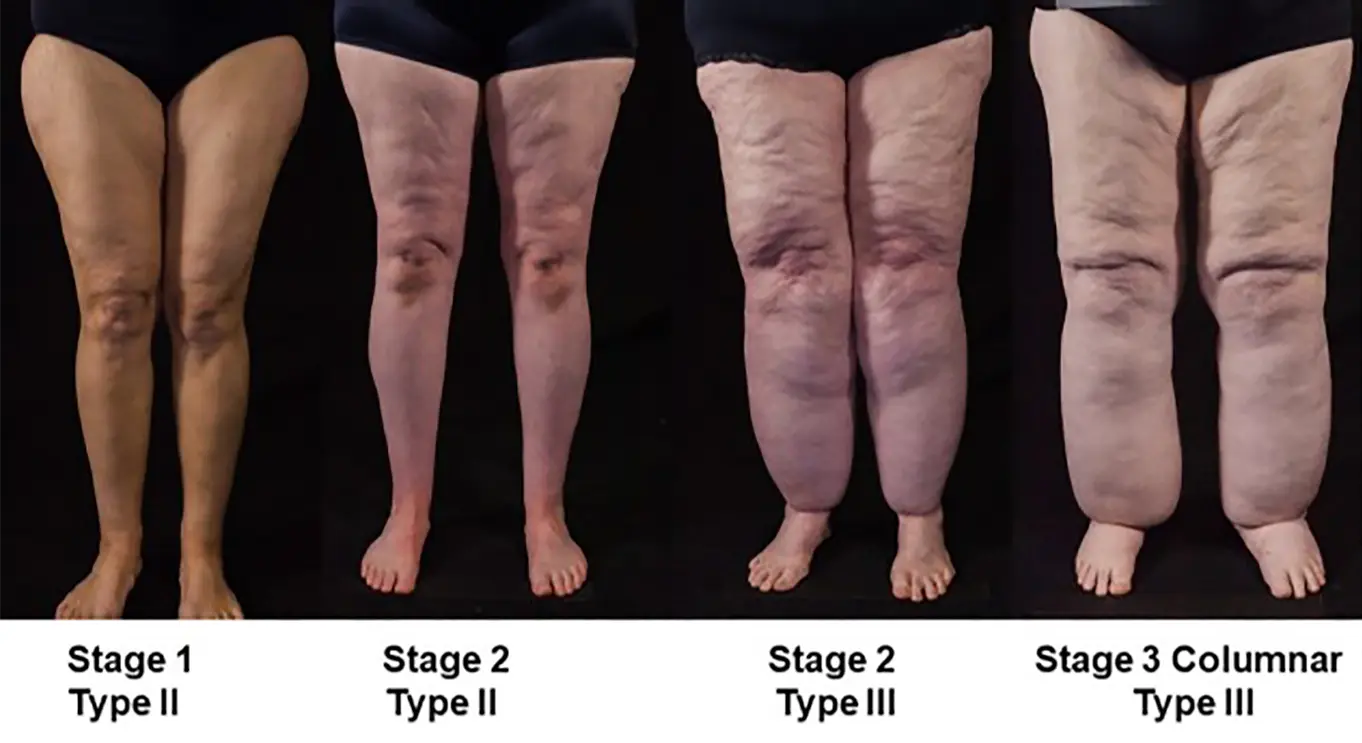
Common lipedema symptoms include disproportionately large legs compared to your upper body, pain and tenderness when legs are touched, easy bruising, and fat that doesn't respond to diet or exercise. Lipedema progresses through 3 stages, from small nodules under smooth skin (Stage 1) to large fat masses causing limb deformity (Stage 3).
Lipedema is an abnormal fat build-up medical condition that usually affects women.
It is characterised by the uneven distribution and disproportionate accumulation of fat and its supporting connective tissues.
The areas most commonly affected include the legs, arms, and buttocks, causing an uneven appearance compared to the other parts of the body.
10 Key Lipedema Symptoms
Disproportionate Body
Larger lower body compared to upper body
Bilateral Symmetry
Both legs (or both arms) affected equally
Pain on Touch
Tenderness even with light pressure
Easy Bruising
Bruises from minor contact or no apparent cause
Nodular Fat
Bumpy texture under skin (like rice or peas)
Hands/Feet Spared
Fat stops at ankles and wrists ("cuff" sign)
Diet Resistance
Fat doesn't reduce with weight loss
Heaviness/Fatigue
Legs feel heavy, especially at the end of day
Column-Shaped Legs
Lack of definition around knees/ankles
Hormonal Triggers
Started/worsened at puberty, pregnancy, or menopause
Specific symptoms of lipedema in the arms and legs
Lipedema Symptoms
Lipedema in the arms
Lipedema in the legs
Body part affected
Arm lipedema is uncommon, but when it occurs, it usually affects the upper arms.
Swelling may also occur in the lower arms but never affects the hands.
Can occur in one or both arms.
Hips, inner thighs, outer thighs, calves, buttocks, and ankles but not the feet.
Lipedema in the legs often show a column-like appearance.
Can occur in one or both legs.
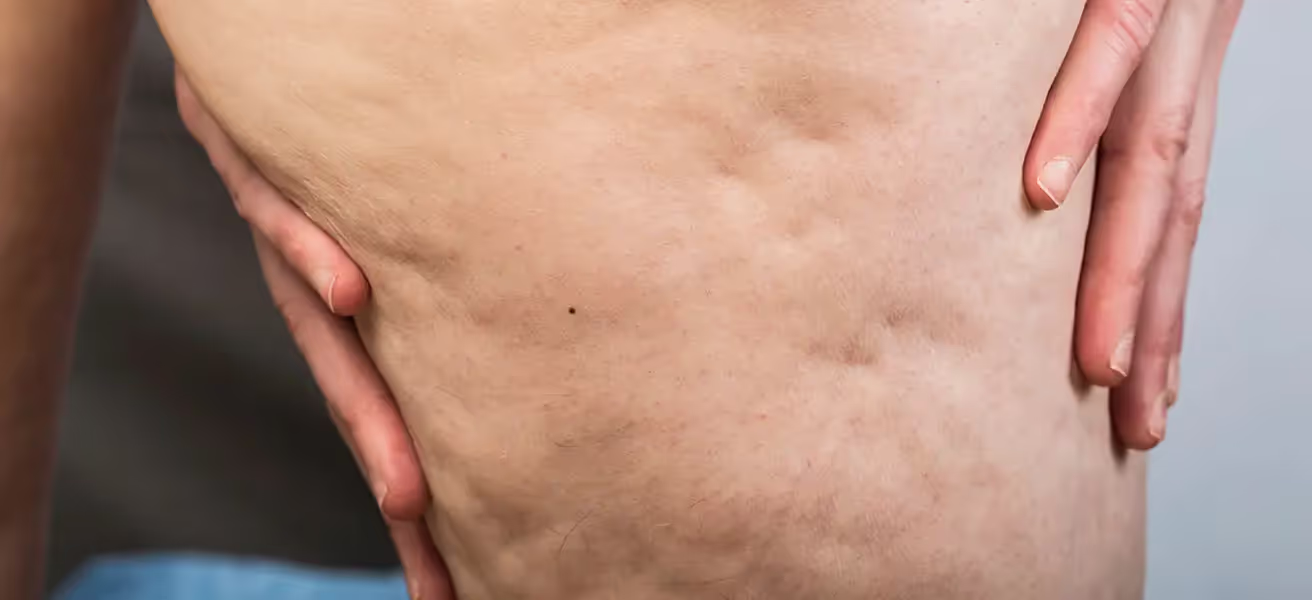
Dimpled skin
The skin may appear dimpled or uneven in more severe cases.
Dimpling may be more noticeable as the severity of lipedema increases
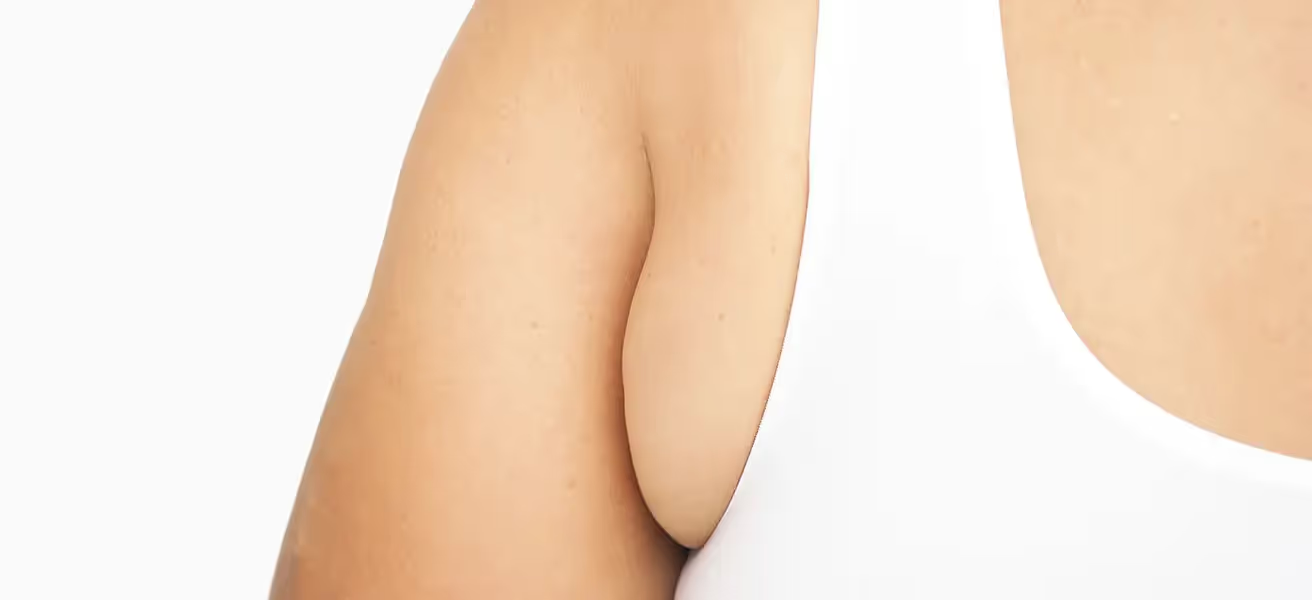
Loose skin
Lipedema can lead to the formation of ample folds of skin.
This condition can cause loose skin, with fat protruding from the limbs.
How it feels
The affected areas may feel cool and "spongy" when touched.
Affected areas feel 'spongy' and cool; the skin is soft and may appear dimply.
Bruising
The skin can bruise easily, even from minor bumps, making it fragile.
May develop bruises readily with minimal impact in the affected areas.
Varicose or spider veins
No visible veins in the arms.
May experience small varicose or spider veins in the areas.
Swell, pain, tenderness and fatigue
The arms may appear swollen and disproportionately larger than the rest of the body.
It can be sensitive to touch or pressure, with pain that varies from dull to sharp.
Swelling may worsen in the afternoon or evening, after physical activity, or under hot weather.
You feel a heavy sensation in the legs, which can be tender and painful to touch.
Limited mobility
The limbs may feel tight and heavy, even with minimal physical exertion.
The pain and swelling can make movement challenging.
Enlargement of the legs, along with pain, may hinder mobility.
It also contributes to low self-esteem and anxiety, restricting social life.
Impact on quality of life
Contributes to low self-esteem and poor wellbeing.
Affects mobility and participation in activities, even in performing daily tasks.
The disproportionate body can make finding and wearing clothes challenging.
Highly likely to cause poor self-confidence and negative self-image.
The 3 Stages of Lipedema
Stage 1:
Skin surface: Normal, smooth
Fat texture: Small nodules felt under skin
Symptoms: Often mild, may be dismissed as 'normal'
The only way to self-assess lipedema is through a pinch test.
The pinch test for lipedema involves gently pinching the affected area.
The goal of the pinch test is to assess the skin texture, pain response, and how the tissue feels.
During the pinch test, if the affected area has any pain or feels different in texture compared to other areas of your body, you may be suffering from lipedema.
However, the pinch test should NOT be regarded as a definitive diagnosis.
Lipedema Self-Assessment Checklist
For each question, check the box if it applies to you.
1. Distribution & Shape
Is your lower body significantly larger than your upper body?
Do you experience symmetrical fat accumulation?
Do your feet or hands remain thin, with a noticeable "cuff" or ring-like fold of fat at the ankle or wrist?
Does fat accumulate in specific areas, such as "saddlebags" on the hips/thighs or on the inside of the knees?
2. Pain, Sensitivity & Texture
Do your legs or arms feel tender to the touch or painful?
Does the fat tissue feel nodular, bumpy, or firm (like peas or walnuts under the skin)?
Do you experience a feeling of heaviness, tiredness, or aching in your legs?
Does the pain or heaviness worsen as the day progresses?
3. History & Characteristics
Did your symptoms start or significantly worsen during puberty, pregnancy, or menopause?
Do you bruise easily, often without remembering bumping into anything?
Is your body fat disproportionate and resistant to weight loss from diet or exercise?
Do you have female relatives with similar body shapes or symptoms, suggesting a genetic link?
4. The "Pinch Test"
Gently pinch the skin on the outside of your thigh or calf. Is it unusually tender or painful?
Scoring System
0 - 3 Checks: Low Likelihood of Lipedema Symptoms may be related to typical weight gain, lymphedema, or venous insufficiency.
4 - 7 Checks: Possible Lipedema It is recommended to consult a doctor who is experienced in diagnosing and managing lipedema, such as Dr Ivan Puah, for a formal diagnosis.
8+ Checks: High Probability of Lipedema A medical assessment and investigation is strongly advised to manage symptoms and prevent progression.
FAQ on lipedema in Singapore
What are the early signs of lipedema in the arms and legs?
Lipedema often begins subtly, and recognising the early signs can make a significant difference in managing the condition effectively.
In the arms, early signs may include:
A disproportionate increase in arm circumference, often stopping abruptly at the wrists
Pain or tenderness, even with light touch or pressure
Easy bruising without a known cause
A sensation of heaviness or fullness in the upper arms
The hands themselves typically remain unaffected, creating a distinct "cuff" at the wrist
In the legs, which are most commonly affected first, early signs may include:
Symmetrical swelling in both legs, from the hips down to the ankles
A "spongy" or nodular texture when pressing on the skin
Cool skin temperature in the affected areas compared to the rest of the body
Easy bruising, particularly on the thighs and calves
A noticeable disproportion where the upper body remains slim while the lower body appears fuller
The feet are usually spared, forming a characteristic "ankle cuff" or ring of tissue just above the ankle
If you notice these patterns, especially the combination of pain, easy bruising, and disproportionate fat distribution, it may be time to speak with a doctor experienced in lipedema.
Lipedema most commonly begins or becomes noticeable during periods of significant hormonal change. For many women, early symptoms can appear:
During puberty, often in the teenage years
During or after pregnancy
Around the time of menopause
While lipedema is a chronic and progressive condition, early recognition and intervention can help slow its progression and preserve mobility and quality of life.
Can men get lipedema?
Worldwide, approximately 0.2% of men may develop this condition.
The presentation in men is similar to that in women: symmetrical fat accumulation in the limbs that is painful, tender to the touch, and resistant to traditional weight loss methods.
How to self-care for lipedema at home?
While professional medical guidance is crucial for managing lipedema, there are several things you can do at home to support your overall well-being and complement your treatment plan:
Move your body gently: Focus on enhancing blood and lymphatic circulation through low-impact exercises. Activities like walking, swimming, cycling, or gentle yoga can help maintain mobility without stressing your joints. The key is consistency, not intensity.
Wear your compression garments regularly: If your doctor has prescribed medical-grade compression wear, wearing it consistently helps manage swelling, provides support, and can significantly reduce discomfort throughout the day.
Adopt an anti-inflammatory approach to eating: While diet alone cannot remove lipedema fat, reducing inflammation can ease symptoms. Focus on whole, unprocessed foods and limit:
Processed foods and takeaways
Sugary drinks and snacks
Refined carbohydrates like white bread and pastries
Unhealthy fats are found in deep-fried foods
Explore manual lymphatic drainage (MLD) massage: Regular MLD massage performed by a trained therapist can support your lymphatic system, helping to move excess fluid, reduce swelling, and promote a sense of lightness in the affected limbs.
When should you seek urgent help for lipedema?
While lipedema itself is a chronic condition, certain symptoms may indicate a complication that requires immediate medical attention.
Please visit the A&E or seek urgent care if you experience:
Signs of cellulitis, a bacterial skin infection that can occur in advanced lipedema due to compromised lymphatic function
Sudden redness and warmth in the swollen limbs
Skin that becomes tender, hot, or painful to touch
Fever or flu-like symptoms that accompany these changes.
A general feeling of being unwell without a clear cause
These symptoms may signal a serious bacterial infection that requires prompt medical attention.
How is lipedema diagnosed?
A thorough lipedema diagnosis involves a comprehensive clinical assessment by an experienced physician. At Amaris B. Clinic, this includes:
Visual inspection: Assessing for symmetrical fat enlargement, disproportionate body shape, and skin changes such as easy bruising or visible veins
Palpation: Feeling the tissue for characteristic texture changes, nodules, sponginess, or fibrosis, and noting tenderness
Negative Stemmer's sign test: Confirming that the hands and feet are unaffected, which helps differentiate lipedema from lymphedema
Detailed medical history: Discussing symptom onset, family history, hormonal milestones, and how your body has responded to diet and exercise
There is no single blood test or scan that diagnoses lipedema. Imaging may be used to rule out other conditions, but the diagnosis remains clinical, based on what the doctor sees, feels, and hears from you.
Dr Ivan Puah brings years of experience to this diagnostic process, having assessed and treated lipedema cases in Singapore.
Lipedema progression is often linked to major hormonal shifts in a woman's life, including:
Puberty
Pregnancy
Menopause
Significant weight gain can also accelerate the condition, as can a genetic predisposition.
Can lipedema get worse over time?
Lipedema is a progressive condition. According to The International Lipedema Association (ILA), the rate of progression varies significantly between individuals.
The condition remains relatively stable for decades for others, but for some, it may rapidly worsen, usually caused by:
hormonal changes
weight gain
uncontrolled inflammation
Progression can be slowed with appropriate management, including conservative measures and, when indicated, surgical intervention.
Lipedema is a progressive condition; without appropriate intervention, it typically worsens over time, leading to a cascade of physical and emotional challenges.
When left unmanaged, lipedema advances through stages. The pathological fat cells continue to accumulate, placing increasing pressure on the lymphatic system. Over time, this can lead to:
Escalating pain: The pain can progress from tenderness/sensitivity to debilitating pain that affects your sleep and daily activities.
Reduced mobility: As limb volume increases and pain intensifies, walking, climbing stairs, and even standing for extended periods become difficult. This creates a vicious cycle where reduced movement leads to further deconditioning, weight gain, and worsening symptoms.
Skin changes: The skin may lose elasticity, develop fibrotic nodules (hardened areas), or become prone to infections.
Lipo-lymphedema: Eventually, the overwhelmed lymphatic system begins to fail, leading to fluid retention on top of the existing fat. This combined condition, lipedema plus lymphedema—, s more complex to manage and carries a higher risk of complications such as cellulitis.
Joint damage: The sheer weight and pressure of enlarged limbs place strain on knees, hips, and ankles, potentially contributing to osteoarthritis and chronic joint pain.
Early intervention matters. The goal of treating lipedema is not merely cosmetic; it is to stop progression, relieve pain, restore mobility, and improve quality of life.
Progression can be slowed with appropriate management, including conservative measures and, when indicated, surgical intervention.
Lipedema is a progressive condition; without appropriate intervention, it typically worsens over time, leading to a cascade of physical and emotional challenges.
When left unmanaged, lipedema advances through stages. The pathological fat cells continue to accumulate, placing increasing pressure on the lymphatic system. Over time, this can lead to:
Escalating pain: The pain can progress from tenderness/sensitivity to debilitating pain that affects your sleep and daily activities.
Reduced mobility: As limb volume increases and pain intensifies, walking, climbing stairs, and even standing for extended periods become difficult. This creates a vicious cycle where reduced movement leads to further deconditioning, weight gain, and worsening symptoms.
Skin changes: The skin may lose elasticity, develop fibrotic nodules (hardened areas), or become prone to infections.
Lipo-lymphedema: Eventually, the overwhelmed lymphatic system begins to fail, leading to fluid retention on top of the existing fat. This combined condition, lipedema plus lymphedema—, s more complex to manage and carries a higher risk of complications such as cellulitis.
Joint damage: The sheer weight and pressure of enlarged limbs place strain on knees, hips, and ankles, potentially contributing to osteoarthritis and chronic joint pain.
Early intervention matters. The goal of treating lipedema is not merely cosmetic; it is to stop progression, relieve pain, restore mobility, and improve quality of life.
LEARN MORE ABOUT LIPEDEMA SURGERY
Patients with lipedema commonly experience pain, ranging from mild to severe. They are described as dull, throbbing, or tearing. Get rid of lipedema now!
At Amaris B. Clinic, we want you to know that it's always been about you. Deciding to embark on a journey toward skin, face, body treatment, or a fitness program is significant, and we are here to prioritise your results, well-being, and safety at every step.