Weekdays 9:30am - 7pm.
Alternate Saturdays 9am - 5pm.
Red orchid flowers in a vase with the text Amaris B. Clinic on a white wall in the background.
Getting Here
By Car/Taxi

Public parking available or drop off along Arab Street, Village Hotel Bugis (Previously known as Golden Landmark Hotel)

By Public Transport

Buses (2, 12, 32, 33, 130, 133, 133A, 520, 960, NR7)  MRT (alight at Bugis MRT station)

Follow us
Red orchid flowers in a vase with the text Amaris B. Clinic on a white wall in the background.
Getting Here
Follow us

Get In Touch

Laserlipolysis (Laser Liposuction) Recovery: Week-by-Week Timeline

Aug 27, 2026
Aug 27, 2026
Medically reviewed by:
Dr Ivan Puah, MBBS, MOH-Accredited Lipo Doctor, Chairman of Lipo Peer Review Committee

Here's a complete week-by-week timeline of what to expect after Laserlipolysis (Laser Liposuction) surgery by Dr Ivan Puah, medical director of Amaris B.
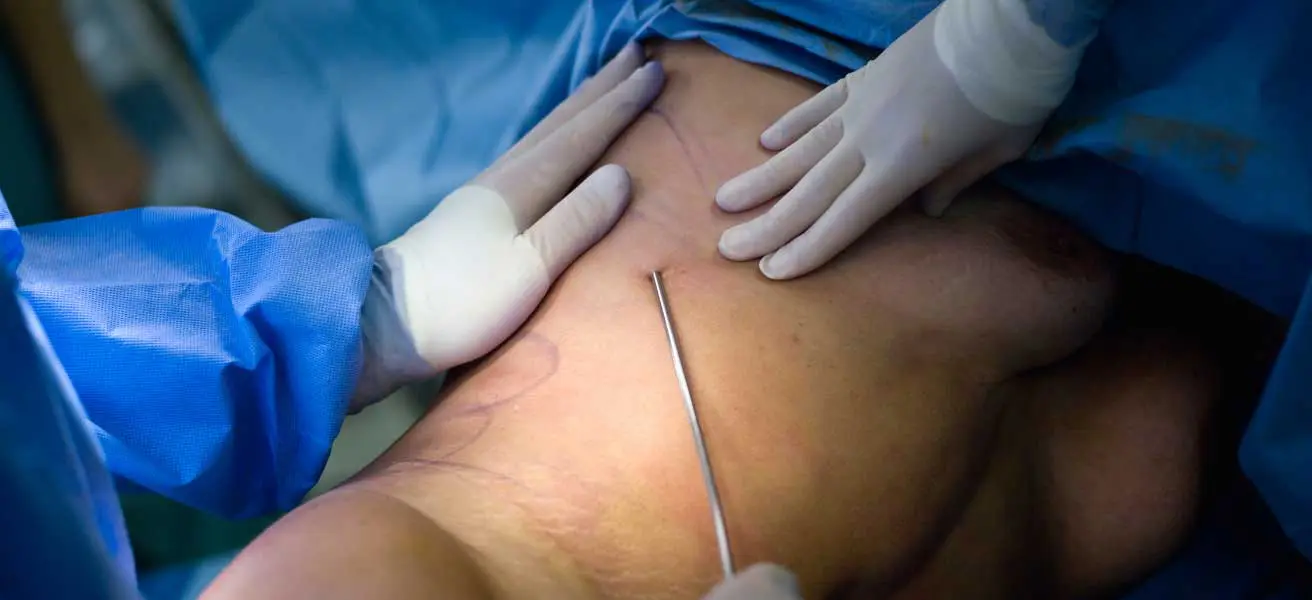
Laserlipolysis (Laser Liposuction) Recovery

Table of Contents

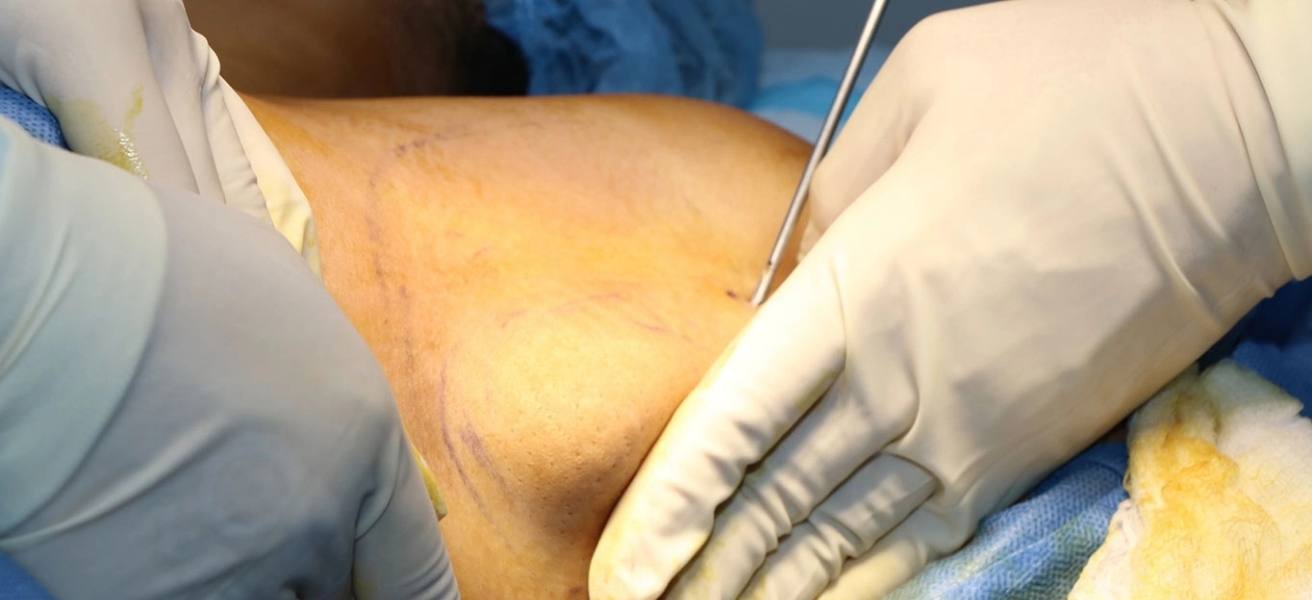
Laserlipolysis (Laser Liposuction) uses laser energy to destroy fat cells and is best for small areas such as the armpits, knees, or face; it also stimulates collagen production for firmer skin. Recovery from laser lipolysis (Laser Liposuction) typically takes 1-2 weeks before returning to work and 4-6 weeks before resuming strenuous exercise. Most patients can walk the same day, drive within 3-5 days, and see final results at 3-6 months as swelling subsides. Recovery time depends on the number of areas treated, volume of fat removed, and Laserlipolysis (Laser Liposuction) technique used. Here's a complete week-by-week timeline of what to expect after Laserlipolysis (Laser Liposuction) surgery by Dr Ivan Puah, medical director of Amaris B. Clinic.

Key Takeaways

  • Recovery follows a clear timeline: Walking the same day, desk work in 2-5 days, light cardio in 1-2 weeks, and full gym/running activity by 4-6 weeks, with final results visible at 3-6 months.
  • Compression garments are essential: Wear them (even during sleep initially) for 4-12 weeks post-op to reduce swelling, support healing, minimise seroma/haematoma risk, and help contour the treated area.
  • First week is the most intense: Swelling and bruising peak around Days 2-5, pain is managed with prescribed medication, and warning signs like pus, fever, or increased redness require immediate medical attention.
  • Manual Lymphatic Drainage (MLD) massages support healing: Typically starting 2-3 days post-surgery with daily sessions (minimum 10), MLD reduces swelling, bruising, and fluid retention while improving overall results.
  • Long-term care matters for final results: Scar gel and sunblock on incision sites, continued garment use, and follow-up appointments through months 3-6 are needed for optimal, fully settled results.

Quick Recovery Milestones


Activity Timeline
Walking around Same day
Return to desk work 2-5 days
Driving 3-5 days
Light cardio (walking) ​​/b> 1-2 weeks
Gym/weights/running 4-6 weeks
Swimming 4-6 weeks (after incisions heal)
Final results visible 3-6 months

🗓️ Immediately

  • Initial results are visible immediately after the procedure, before swelling sets in.
  • After the surgery, you will likely remain in the recovery room for a few hours for observation.
  • Expect to feel groggy from anaesthesia. Once you're stable, you will be discharged home.
  • Get a trusted companion to bring you home. Do not drive home yourself.
  • Start wound management and elastic compression garments now [1].
  • Continue to avoid alcohol and smoking as they impede healing.
  • Adopt an anti-inflammatory diet (healthy fats, fatty fish, whole grains) at every meal during your recovery period for an uneventful recuperation period.
  • Your doctor will provide a detailed post-op guide.
  • Get plenty of rest for the first 2 weeks [2]. 
  • Avoid getting dressings wet.
  • Wear your compression garments even during sleep. 
  • Do not take any other medications except those prescribed by your doctor. If you are taking any prescription medications, you should have discussed them with your doctor during the pre-surgery consultation.

🗓️ Day 1

  • Swelling and bruising are normal. Swelling peaks between Days 2–5 typically.
  • Discomfort and pain may peak. This is easily managed with prescribed painkillers.
  • Keep the surgical area clean and dry.
  • Change your dressings gently as directed.
  • Depending on allergy status, your doctor will prescribe oral antibiotics to prevent infection at the incision sites. Use them for 5 days or as your doctor instructs [8].
  • Be careful with the stitches; gently manoeuvre around the sutures when changing your dressings. Do not pull or cut the sutures.

🗓️ Day 2 - 4

  • Return to desk work. Wear your compression garment under your work clothes. This is mandatory.
  • Resume light activities and simple housework, but avoid strenuous activities.
  • Avoid heavy lifting, especially when it involves carrying items from high shelves or bringing up laundry.
  • No gym work or water activities until doctor clearance.
  • Swelling and bruising may still be prominent; this is normal. Bruising typically resolves within 1-2 weeks.
  • You may notice some clear, thin fluid from the incisions. This fluid, called serous drainage, helps clean the area, support healing, and protect new tissue.
  • However, if you notice pus from the wound, have a fever, or increased redness and tenderness at the treated area, contact your medical team immediately.
  • You may go to the clinic to change your dressing on Day 2.

🗓️ Day 5 - 7

  • Pain and swelling will continue to subside. Continue taking your painkillers to help manage the discomfort.
  • Fluid from wounds may continue to occur, but this is normal.
  • You may do light walking around the house as exercise.
  • Keep your wound clean and dry, with no significant irritation.
  • Attend your follow-up appointment with your doctor. Do not miss it, as the doctor needs to monitor your healing progress and spot any red flags.

🗓️ Week 2 - 3: Gradual return to activities

  • Reduced discomfort. Pain should almost subside by now.
  • Some residual swelling may persist, but it should gradually decrease.
  • If your work requires heavy movement such as climbing or heavy mobility, go back to work only after the doctor gives the go-ahead.
  • Keep hydrating and maintaining a balanced diet to support recovery. 
  • Continue to avoid heavy lifting and vigorous exercise [2]
  • Wear your compression garment at least 18 hours a day [2] and continue diligent wound care.
  • Attend your second consultation for review in the third week post-op.
  • Your doctor may recommend regular Manual Lymphatic Drainage massages to support better blood circulation and lymphatic flow. 
  • Your doctor may remove the stitches during this period.
  • Start applying scar treatment products such as medical-grade anti-scarring silicone gel or sheet.

🗓️ Week 4 - 6: Final results and skin tightening

  • You can resume most daily activities unless your doctor instructs otherwise [2].
  • The compression garment is recommended to continue till month 2 [3], particularly during workouts.
  • Any numbness or sensitivity around the surgical site may begin to resolve.
  • Most swelling and wound fluid should have subsided.
  • As your wound heals, you may experience itchiness. The itch is a good sign of healing. An over-the-counter antihistamine may relieve the itch.
  • Continue regular Manual Lymphatic Drainage massages and apply anti-scarring silicone.
  • You may begin light exercise around 7-10 days, with strenuous exercise typically permitted after 2-3 weeks or up to 4 weeks.

🗓️ Month 3 - 6: Long-Term Settling & Ongoing Care

  • As healing progresses, you may be able to reduce compression garment use based on your comfort level and your doctor's advice.
  • You’ll likely see significant changes in your new body shape.
  • Diligently use the anti-scar gel and apply sunblock to the incision sites whenever you go outdoors (Yes, ultraviolet (UV) rays can penetrate regular shirts)
  • Attend follow-up appointments to ensure optimal recovery.
  • Don’t hesitate to ask about any lingering effects.
  • Remember that final results from Laserlipolysis (Laser Liposuction) can take several months to fully manifest, as your body continues to heal.

Compression Garment Guidelines Post-Laserlipolysis (Laser Liposuction)

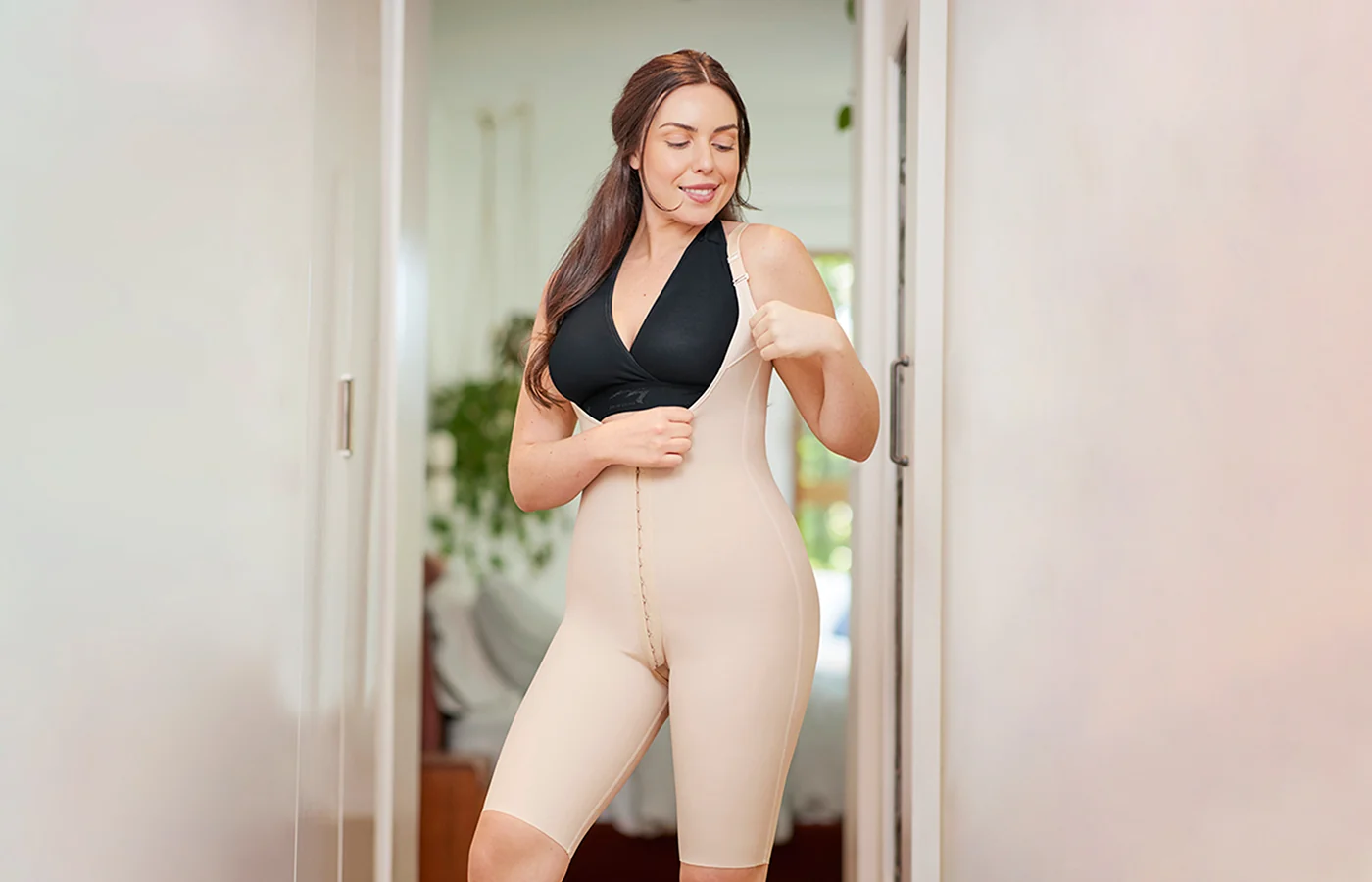
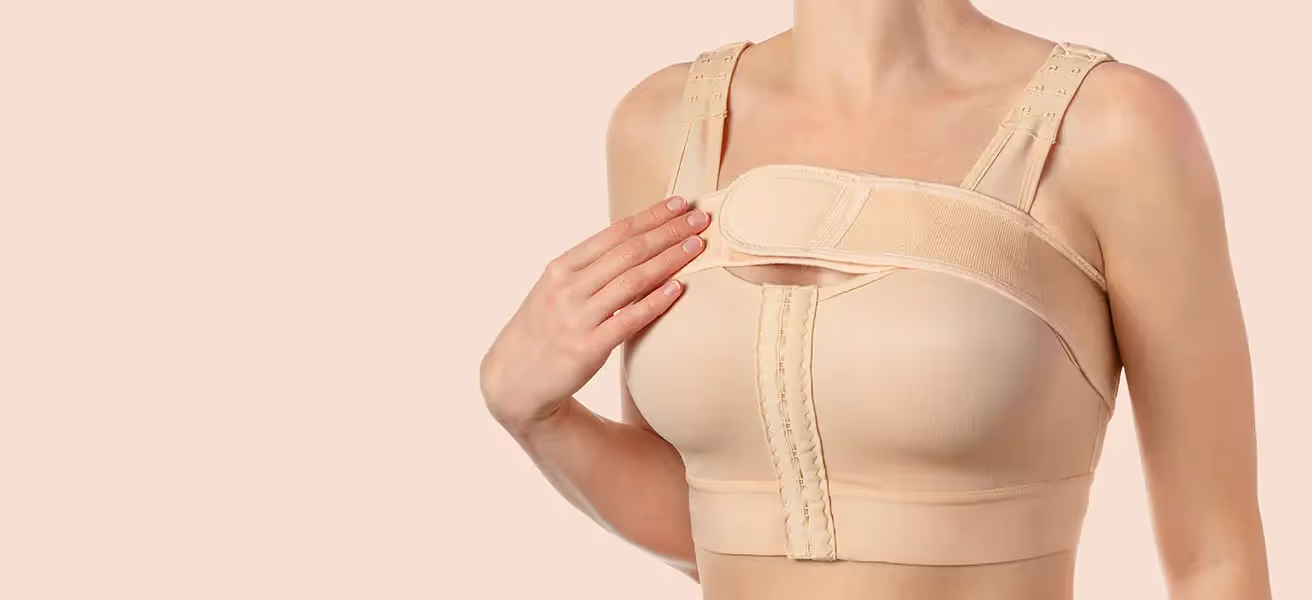
After Laserlipolysis (Laser Liposuction), wearing compression garments is crucial to support recovery and achieve the body contour you want.


Benefits Details
Minimises swelling ✓ Reduces swelling by applying consistent pressure to the treated area [5]
✓ Aids in fluid absorption
✓ Decreases tissue oedema
Reduces risks ✓ Reduces risks of seroma and haematoma formation [5]
Promotes healing ✓ Supports the surgical site
✓ Helps maintain skin integrity
✓ Promotes proper healing of incisions
Provides support ✓ Supports the underlying tissue
✓ Prevents excess fluid accumulation in the surgical area
Pain management ✓ Reduces discomfort and pain
Aesthetics ✓ Pressure helps to contour the surgical site [2]

How to choose and care for your compression garments

We select only the most comfortable and tried-and-tested medical-grade compression garments.


Amaris B.’s Compression Garments Recommendation
Colour Nude so that it does not stand out from underneath your shirt.
Size Comes in sizes XS to 4XL, so choose the one that fits right.

Ill-fitting garments can lead to discomfort and may affect blood circulation.
Comfort Wide elastic band at the bottom to keep from rolling up.

The sides will not dig into your skin.

Breathable so you can wear it comfortably in our humid weather.
Material Soft, elastic bands are made from breathable materials that wick moisture to keep skin dry and prevent irritation.

Garment care instructions

  • We recommend hand washing to maintain the structural integrity of your compression garment.
  • Do not use bleach or fabric softener.
  • Do not dry clean, iron, steam or use direct heat from an iron; it may damage the fabric.
  • Regularly inspect the garment for signs of wear or damage. Replace it if it becomes stretched out or loses its compressive quality.
Image by Marena

Tips for Faster Recovery: Manual Lymphatic Drainage massages 

Surgical procedures cause inflammation and disrupt local lymphatic pathways temporarily while your body focuses on repair. Scar tissue can also create longer-term blockages.

Manual Lymphatic Drainage (MLD) massages can play a significant role in recovery after Laserlipolysis (Laser Liposuction). It encourages the natural drainage of the lymphatic system, which is crucial for:

  • reducing swelling
  • minimising bruising
  • promoting healing 
  • releasing localised fluid retention and oedema in the treated area
  • improving nutrient delivery to the surgical site 
  • supporting tissue repair. 
  • promotes the removal of toxins and excess fluids
  • contributing to a reduction in post-operative discomfort 
  • Overall improvement of results.

By employing gentle, rhythmic strokes and techniques that stimulate lymph flow, MLD helps to alleviate these symptoms. 

Activating the lymphatic system supports a smoother recovery journey.

Typical MLD protocol: Start 2-3 days after surgery, with daily sessions, and a minimum of 10 consecutive sessions.

FAQ

How long does Laserlipolysis (Laser Liposuction) recovery take?

It takes about 3 to 6 months for the treated area to fully recover and for the optimal results to show.

When can I exercise after Laserlipolysis (Laser Liposuction)?

You can do light walking the next day, but resume regular exercise, such as cardio, only after the doctor gives the green light. Light exercise may be permitted at 7-10 days, with strenuous exercise typically at 2-3 weeks or up to 4 weeks.

How long do I wear a compression garment after lipo?

It is advisable to wear the compression garment for 4 to 12 weeks post-op.

When will I see Laserlipolysis (Laser Liposuction) results?

Results are visible immediately after surgery, but the full results of your new body contour should reveal themselves in about 6 months.

Is Laserlipolysis (Laser Liposuction) recovery painful?

You may experience pain and discomfort, but you can easily manage it with over-the-counter painkillers. Most patients describe the discomfort as similar to muscle soreness after an intense workout.

Can I fly after Laserlipolysis (Laser Liposuction)?

Yes, but only after the doctor’s approval.

When can I shower after Laserlipolysis (Laser Liposuction)?

You can start showering the same day, but be gentle and use a non-comedogenic body wash.

What helps swelling go down after lipo?

A compression garment and regular Manual Lymphatic Drainage massage will help reduce swelling.

Laserlipolysis (Laser Liposuction)

A minimally invasive laser-assisted liposuction that breaks down the fat cells into liquified fat, which is then removed through suction.

Reference

read other blogposts

Vaser lipo vs traditional liposuction 

The right choice depends on your goals, body fat percentage, and skin elasticity, confirmed through a consultation with an MOH-approved doctor.

August 27, 2026
Laserlipolysis (Laser Liposuction) Recovery

Here's a complete week-by-week timeline of what to expect after Laserlipolysis (Laser Liposuction) surgery by Dr Ivan Puah, medical director of Amaris B.

August 27, 2026
waist liposuction

How waist liposuction can create an s-shaped curve & how post-surgical compression garment post waist liposuction can help you achieve more satisfying results.

August 27, 2026
calf liposuction Singapore

A slender leg is defined by 3 factors: length, thickness and shape. Since the length cannot be altered, the musculoskeletal structure needs to be considered

August 27, 2026
liposuction millennials

Discover why liposuction has overtaken breast augmentation as the world's top cosmetic procedure, and what to know before booking with a Singapore lipo doctor.

August 27, 2026
is liposuction cheating

Dr Ivan Puah answers frequently asked questions, including how much liposuction costs and what the success rates are.

August 27, 2026