


Comparing fat transfer and dermal fillers in Singapore? See cost, longevity, recovery time and risks side-by-side, reviewed by Dr Ivan Puah.
September 24, 2026


Public parking available or drop off along Arab Street, Village Hotel Bugis (Previously known as Golden Landmark Hotel)
Buses (2, 12, 32, 33, 130, 133, 133A, 520, 960, NR7) MRT (alight at Bugis MRT station)


Comparing fat transfer and dermal fillers in Singapore? See cost, longevity, recovery time and risks side-by-side, reviewed by Dr Ivan Puah.
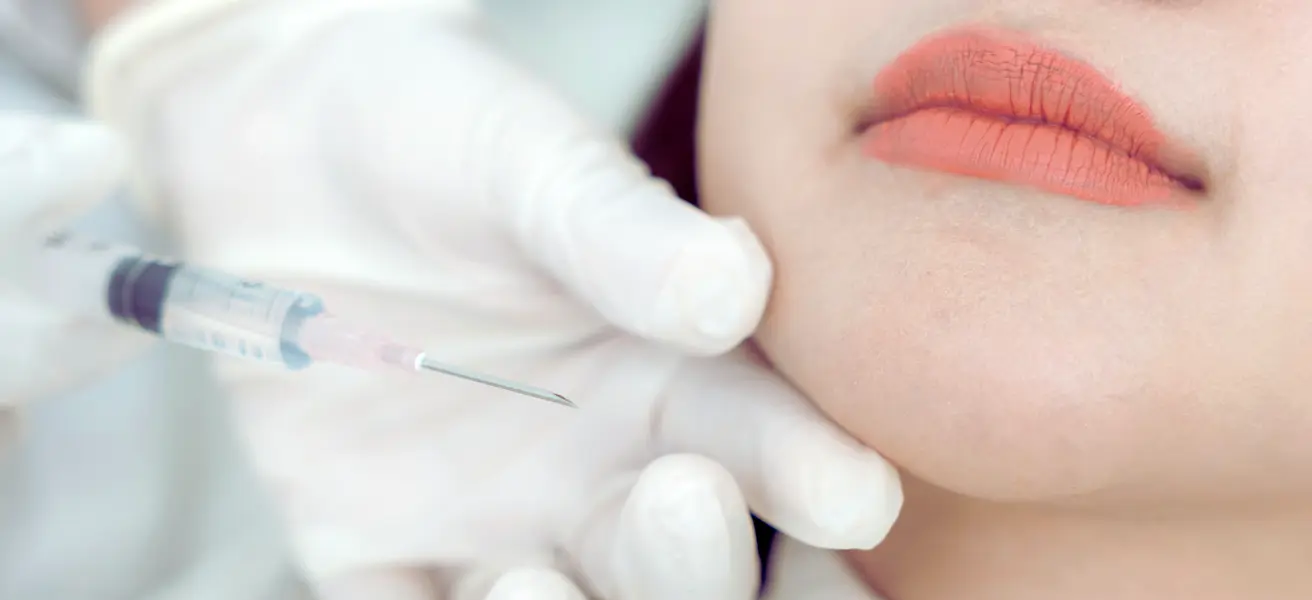
Dermal fillers give immediate, temporary results (6–12 months) with no downtime, ideal for lines and wrinkles. Facial fat grafting uses your own body fat for permanent, natural-looking volume, with 1–2 weeks of downtime, better suited for overall facial fullness. Many patients in Singapore combine both for optimal anti-ageing results.
| Factor | Dermal Fillers | Facial Fat Grafting |
|---|---|---|
| Material | Hyaluronic acid, poly-L-lactic acid, calcium hydroxyapatite | Your own body fat |
| Results duration | 6–12 months | Long-lasting / permanent |
| Downtime | None | 1–2 days (surgery), full recovery 1–2 weeks |
| Best for | Wrinkles, fine lines, lip/nose enhancement | Overall facial volume, sunken cheeks, under-eye hollows |
| Rejection risk | Low (biocompatible) but foreign material | None (autologous) |
| Bonus effect | None | Removes fat from donor site (belly/thighs) |
| Regulatory note | Only MOH-licensed clinics may inject | Only MOH-accredited lipo doctors may perform |
Dermal fillers are injectable gels made from biocompatible materials, most commonly hyaluronic acid, but also poly-L-lactic acid and calcium hydroxyapatite. They restore volume, smooth wrinkles, and enhance features like the lips, cheeks, and nose bridge. Hyaluronic acid fillers also stimulate collagen production, giving skin a hydration boost.
Popular filler brands in Singapore: Juvederm, Restylane, Sculptra, Teosyal, and Profhilo, each formulated for slightly different goals, from volumising to skin texture improvement.
Results appear immediately but fade within 6–12 months, depending on the product, treated area, and individual metabolism. There's typically no downtime; mild swelling or bruising is managed with ice packs and resolves within days.
Jawline, cheeks, chin, lips, nasolabial folds, marionette lines, temples, nose bridge, and tear troughs.
Only MOH-licensed medical doctors may legally administer injectables in Singapore; beauty therapists and spas cannot. Poor technique carries serious risks: skin necrosis, facial paralysis, and even blindness in severe cases.
Dr Ivan Puah, who has over 20 years of injectables experience and serves as an appointed trainer on injectables and dermal fillers for Merz, has flagged a rise in patients seeking correction for filler-related complications, ranging from overfilling to granulomas, noting that non-medical practitioners often lack the anatomical knowledge these procedures require.
Overuse can also lead to visibly overfilled features nicknamed “overfilled symptom,” "flowerhorn forehead," "sunset eyes," "witch's chin," and "chipmunk cheeks." Dr Puah co-authored a peer-reviewed paper on preventing vision loss from filler injections, published in the Singapore Medical Journal.
Facial fat grafting, also called autologous fat transfer, harvests unwanted fat from areas like the belly or inner thighs via liposuction, purifies it in a centrifuge, and re-injects it into the face. It's effectively a two-in-one procedure: body contouring plus facial rejuvenation.
Sunken cheeks, hollowed face, under-eye hollows, saggy jowls, recessed chin, deep wrinkles, and correction of botched liposuction or facial scarring from trauma.
Expect 1–2 days of initial downtime, with swelling and soreness at both the donor and treated sites lasting one to two weeks. Most patients return to work within a few days.
Because it uses your own tissue, there's no rejection risk, unlike implants, which can carry risks such as Breast Implant Illness (BII), with symptoms like fatigue, joint discomfort, brain fog, and dry eyes. BII currently has no formal medical diagnosis, which complicates recognition and treatment.
Only MOH-accredited lipo doctors may perform this procedure in Singapore. Pricing depends on the doctor's experience, your aesthetic goals, the facility, procedure duration, and anaesthesia type, so it's typically quoted after a consultation, not as a flat rate.
Dr Ivan Puah has more than 20 years of liposuction and fat grafting surgical experience and is the Chairman of the Lipo Peer Review Committee in Singapore. He was amongst the first few doctors in Singapore to offer fat grafting to the body and face back in 2008. Dr Puah has received surgical training and guidance in syringe liposculpture, fat grafting and thread lift by French plastic surgeon, Dr Pierre François Fournier.
A consultation with a doctor experienced in both techniques is the only reliable way to determine what suits your face and goals.
Fat grafting carries no rejection risk since it uses your own tissue. Fillers are generally safe when administered by a licensed medical professional, but carry rare risks like necrosis or vision loss when done incorrectly.
Fat grafting results are long-lasting, often permanent once the transferred fat stabilises. Filler results typically last 6–12 months and require repeat treatments.
No. It is illegal in Singapore for beauty therapists, spas, or beauticians to administer cosmetic injectables, including dermal fillers. Only MOH-licensed medical doctors are authorised.
Most patients experience 1–2 days of initial downtime, with swelling and soreness at the donor and treated sites lasting one to two weeks before fully resolving.
Yes. A combined approach, using fat transfer for structural volume and fillers for fine details, is a common strategy to achieve natural anti-ageing results without surgery.


