Facial fat transfer recovery in Singapore: what to expect from day 1 to month 6, swelling and bruising timeline, aftercare, and how long results last.
October 18, 2026


Public parking available or drop off along Arab Street, Village Hotel Bugis (Previously known as Golden Landmark Hotel)
Buses (2, 12, 32, 33, 130, 133, 133A, 520, 960, NR7) MRT (alight at Bugis MRT station)


Understanding Accessory Breast Removal recovery process, timeline, scar management, compression & activity guidelines can help patients prepare for the surgery.
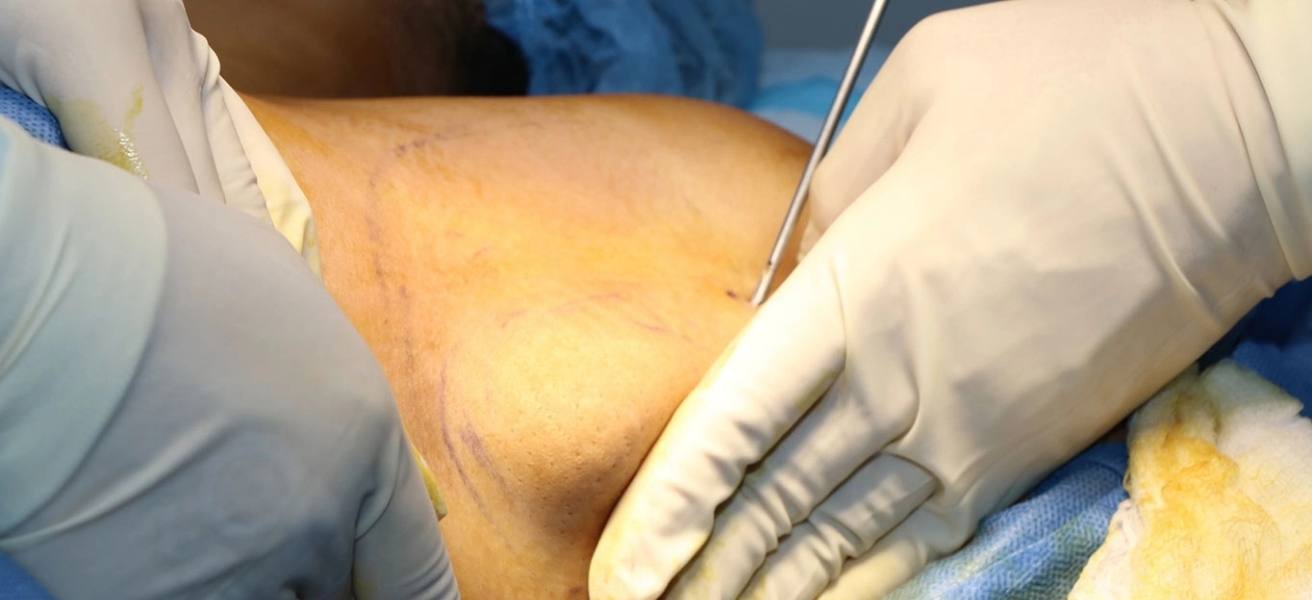
Accessory breast removal is a day surgery, so you go home a few hours after the procedure. Most discomfort settles within the first one to two weeks, and stitches are usually removed within about 10 days. Swelling subsides significantly by months 2 to 3, and scars continue to mature for up to 2 years.
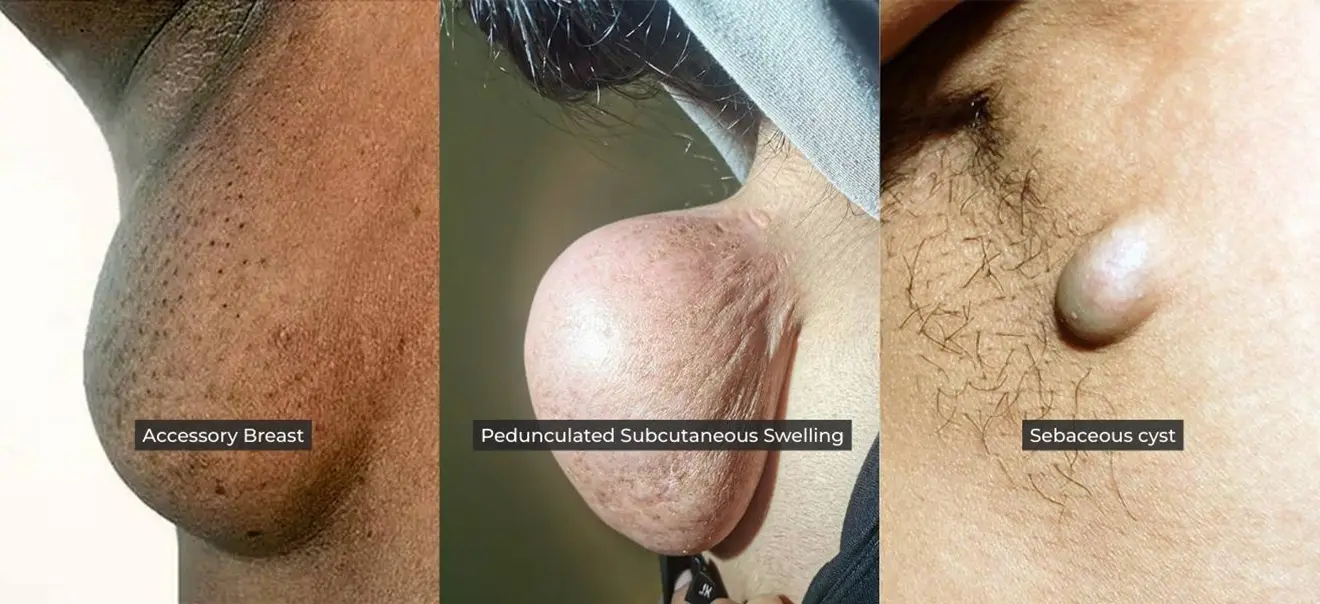
Accessory breast removal is a body contouring surgery that removes excess breast tissue, usually from the axilla (armpit). The condition may cause discomfort, high self-consciousness and limited mobility, and may even carry symptoms such as lactation. Knowing the recovery timeline, scar management, compression guidelines and activity restrictions helps you prepare mentally for the procedure.
| Stage | What to expect |
|---|---|
| Day 1-3 | Home within hours; tenderness and mild pain; start compression garment |
| Day 4-7 | Light household chores okay; keep dressings clean and dry. |
| Weeks 2-3 | Stitch removal (usually within 10 days); start scar treatment; brisk walking allowed. |
| Months 2-3 | Swelling significantly reduced; regular follow-ups. |
| Month 6+ | Normal activities resumed; scars continue maturing. |
Your doctor will usually make the incision within a natural skin fold to minimise visibility. Scar appearance, if any, varies with:
Scar healing occurs in four phases:
Scars initially look red or dark and may appear raised. With proper wound care, they typically flatten and fade to a more neutral colour over time.
Medical-grade silicone anti-scarring gel or sheet is an evidence-based, internationally recommended first-line, non-invasive treatment. It aids scar reduction, promotes healing and minimises pigmentation or raised scars [1, 2]. Some patients may also benefit from scar-minimising procedures such as cortisone injections, laser resurfacing and dermabrasion.
Because the wound is in the armpit area, recovery differs from other surgeries. For example, you should not reach overhead for a few weeks. You should also avoid powder, deodorant and waxing or shaving the armpit until cleared, to prevent irritation around the treated area.
| Activity | Day 1-3 | Day 4-7 | Week 2-3 | Week 4-6 | Month 2-3 | Month 6+ |
|---|---|---|---|---|---|---|
| Water activities | ✗ | ✗ | ✗ | ✓ | ✓ | ✓ |
| Light activities | ✗ | ✓ | ✓ | ✓ | ✓ | ✓ |
| Strenuous workout | ✗ | ✗ | ✗ | Depends | ✓ | ✓ |
| Reaching overhead | ✗ | ✗ | ✓ | ✓ | ✓ | ✓ |
| Deodorant, hair removal | ✗ | ✗ | ✗ | ✓ | ✓ | ✓ |
| Benefit | How it helps |
|---|---|
| Reduces swelling and bruising | Minimises fluid buildup (seroma) and bruising |
| Improves tissue adherence | Pressure helps the skin adhere properly to the underlying tissue, promoting a smooth, contoured shape [4] |
| Supports tissue healing | Reduces movement that could cause pain or disrupt healing |
| Reduces pain | Alleviates discomfort in the sensitive, newly operated area |
Contact your doctor immediately if you experience:
Accessory breast tissue typically does not regrow after surgical removal, as the affected tissue is completely excised. The armpit area will appear smooth with natural-looking contours.
It is a day surgery. Discomfort reduces significantly by weeks 2-3, swelling subsides significantly by months 2-3, and scars mature over 3 months to 2 years.
Tenderness and slight pain in the first couple of days are normal. Your doctor will prescribe painkillers, and discomfort should be much lower by weeks 2-3.
Usually at a follow-up appointment within about 10 days.
Incisions are usually placed within natural skin folds to minimise visibility. Scars may initially look red, dark or raised, but typically flatten and fade with proper care.
Medical-grade silicone gel or sheet is an evidence-based, internationally recommended first-line treatment [1, 2].
Brisk walking is fine in weeks 2-3. Swimming can resume once wounds have closed and healed. Strenuous workouts depend on your doctor's approval from weeks 4-6.
Avoid deodorant, powder, waxing and shaving the armpit until about weeks 4-6, or until your doctor clears you.
It typically does not regrow, as the tissue is completely excised.