Facial fat grafting restores volume lost from GLP-1 weight loss. Learn how it works, survival rates, recovery, and results vs. fillers in Singapore.
September 26, 2026


Public parking available or drop off along Arab Street, Village Hotel Bugis (Previously known as Golden Landmark Hotel)
Buses (2, 12, 32, 33, 130, 133, 133A, 520, 960, NR7) MRT (alight at Bugis MRT station)


Wondering if incision count affects your price/outcome? MOH-accredited Dr Ivan Puah explains how incisions are planned & what is usually included in the cost.
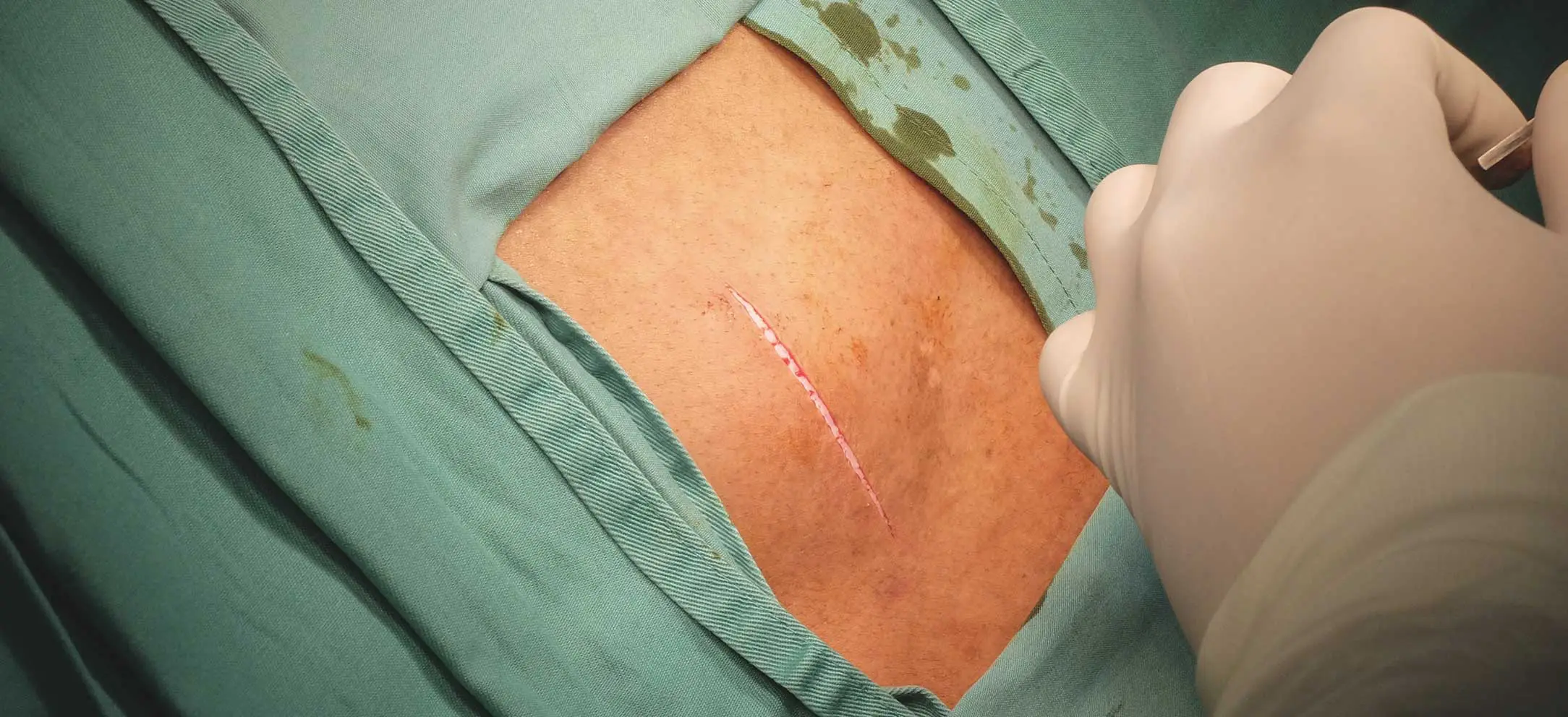
One of the most common questions patients raise during a liposuction consultation in Singapore is whether the number of incisions matters, and if it affects the overall cost.
Because liposuction is a procedure aimed at improving a patient's body confidence by correcting a disproportionate body shape and removing stubborn body fat, unnecessary post-op scarring is definitely something we want to avoid.
Dr Ivan Puah, an MOH-accredited liposuction doctor with over two decades of body sculpting experience in Singapore, addresses these questions with transparency.
There is no single universal answer. Incision count depends on the areas being treated, the patient's anatomy, and the surgical technique used.
Generally, incision size is directly linked to the diameter of the liposuction cannula (the blunt, hollow instrument used to remove fat). Cannulas typically range from 0.3 cm to 1 cm in diameter.
I usually plan incisions measuring 0.3 to 0.5 cm, placing them strategically along natural body creases to minimise visibility once healed.
Incision placement is guided by two core principles:
Here are some examples of incisions made on areas where I usually conceal them.
Incisions for arm liposuction are commonly hidden:
For abdominal liposuction, incisions are typically concealed:
For the inner thigh and saddlebag areas, incisions are hidden within skin folds, so they are undetectable when standing.
This placement also allows the cannula to target fat deposits from multiple angles, resulting in smoother contouring.
When researching liposuction, you may encounter medical providers that price procedures by the number of incisions made or by dividing a single treatment area into multiple separately charged zones.
For example, the abdomen might be divided into 3 or 4 zones, with each area priced based on the number of incisions required. This division may also be presented as a more accessible entry point.
On the surface, this can appear transparent and affordable to patients.
But is this pricing model aligned with how liposuction is performed that will give you good results?
The number and placement of incisions are clinically determined by:
The human body is three-dimensional. Placing an incision in a suboptimal location, even to keep the count lower, can limit the cannula's range of movement and directly compromise results.
| Risk | Explanation |
|---|---|
| Uneven body contour | Treatment planned around pricing tiers, not the patient's silhouette. |
| Hidden costs | The "entry price" may not reflect the total areas ultimately needed. |
| Clinical compromise | Incision decisions driven by cost, not patient outcome. |
In our practice, the pricing structure is determined by:
Liposuction is a body contouring procedure that requires thoughtful surgical planning. This means the surgical plan is developed based on what is clinically appropriate.
Decisions about incisions, such as how many, where they are placed, and how they work together to achieve a natural silhouette, should always be guided by clinical necessity and with the patient's safety and desired outcome in mind.
When exploring liposuction surgery, cost is often the first factor that comes to mind for a patient.
However, choosing a liposuction doctor based solely on the price tag may not lead to the best outcome.
Other important considerations that can significantly affect both your safety and your results include:
In Singapore, liposuction is strictly regulated. Only doctors who are accredited by the Ministry of Health (MOH) are licensed to perform the procedure.
This liposuction accreditation is not automatic, it requires the doctor to meet specific training and competency standards.
Beyond basic accreditation, it is also worth noting the doctor's broader qualifications, such as additional hands-on training in liposuction techniques.
It is important to ask about:
An experienced doctor is more likely to anticipate challenges and pivot easily during surgery without compromising results.
A portfolio, often shown as before-and-after photos, can provide valuable insight into the doctor's aesthetic sensibilities, technical skill, and consistency of outcomes across different patients.
The facility in which the procedure is performed is just as important as the doctor performing it.
Liposuction must be carried out in an MOH-licensed facility, such as a hospital or an accredited ambulatory surgical centre.
These facilities are subject to regular inspections and must adhere to strict safety standards.
In Singapore, an anaesthetist must be present to care for and monitor a patient's vital signs during a liposuction procedure.
Liposuction is typically performed under local or general anaesthesia, with each type having its own considerations.
Be sure to ask what safety protocols will be in place during the procedure, and if the anaesthetist is MOH-accredited and experienced.
The consultation is an opportunity to assess whether the doctor is a good fit for you.
During the consultation, observe the following:
A rushed consultation or vague responses are red flags.
Liposuction costs in Singapore vary widely.
Some practices charge based on the number of incisions or areas treated, while others may base their prices on the clinical condition and overall liposuction goals.
When comparing prices, ask:
A thorough consultation will typically result in a more accurate estimate.
Finally, trust how you feel.
If something feels off, whether it is the clinic environment or the information provided during the consultation, it may be worth seeking a second opinion.
A good doctor-patient relationship is built on mutual trust and open communication.
In the days immediately after surgery, incision sites will form scabs and appear pink or red. Over 6 to 12 months, scars fade and blend with the surrounding skin, becoming significantly less noticeable.
Healed liposuction scars are typically flat, faded to your (almost) natural skin tone, and have indistinct edges. Individual results vary based on skin type and healing response.
Ask your doctor to show you before-and-after cases from their own patients. Scars change in colour, size, and texture over time, generally improving with maturity.
Scars can take up to 18 months to fully mature, becoming thinner and smoother over time. Patience is important during the healing process.
Itching at the wound site is a positive sign as it indicates active tissue repair. As new skin cells form, nerve endings in the area become sensitive. An antihistamine can help manage the discomfort.
Incision-based pricing is not necessarily aligned with achieving the best outcome. Treatment planning should follow anatomy, not pricing tiers.
That being said, some practices charge based on incision count or treatment zones, while others base fees on clinical complexity and overall goals.