Who qualifies for breast fat transfer in Singapore? Check health criteria, donor fat, contraindications and timing after pregnancy.
October 26, 2026


Public parking available or drop off along Arab Street, Village Hotel Bugis (Previously known as Golden Landmark Hotel)
Buses (2, 12, 32, 33, 130, 133, 133A, 520, 960, NR7) MRT (alight at Bugis MRT station)


From fat transfer for breast augmentation & buttock enhancement, to fat grafting for the face & wrinkly hands, here are some facts about this treatment.

Fat grafting (also called fat transfer) is a two-step cosmetic procedure that removes excess fat from one part of the body via liposuction, purifies it, and reinjects it into another area, commonly the face, hands, breasts, or buttocks, to restore lost volume. Because the fat comes from the patient's own body, there is no risk of rejection, and results are largely permanent, with a typical fat retention rate of 60% - 75%.
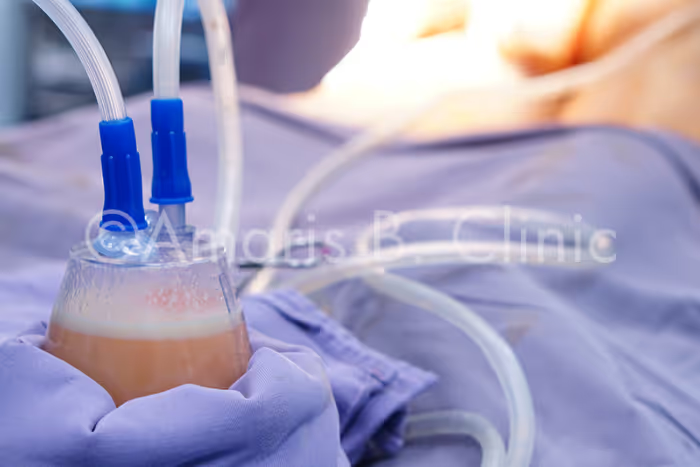
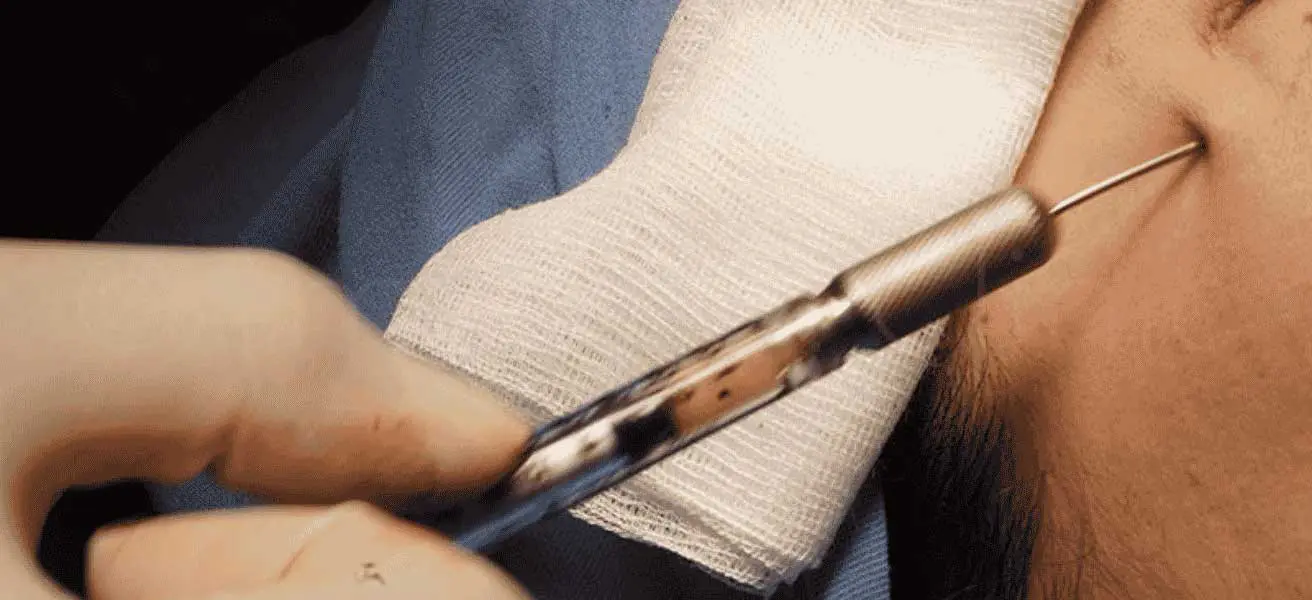
Fat grafting is a cosmetic procedure that transfers a patient's own fat from one area of the body to another. It combines two steps:
Because it uses the patient's own tissue, fat grafting avoids the rejection risk associated with synthetic fillers or implants.
According to a 2017 American Society of Plastic Surgeons survey, facial fat transfer procedures rose 22.3% year-on-year, buttock augmentation (implants and fat transfer combined) rose 25.5%, and breast-related cosmetic procedures also increased. In Singapore, Amaris B. Clinic, under medical director Dr Ivan Puah, is among the clinics offering fat grafting for the face, hands, breasts, and buttocks.
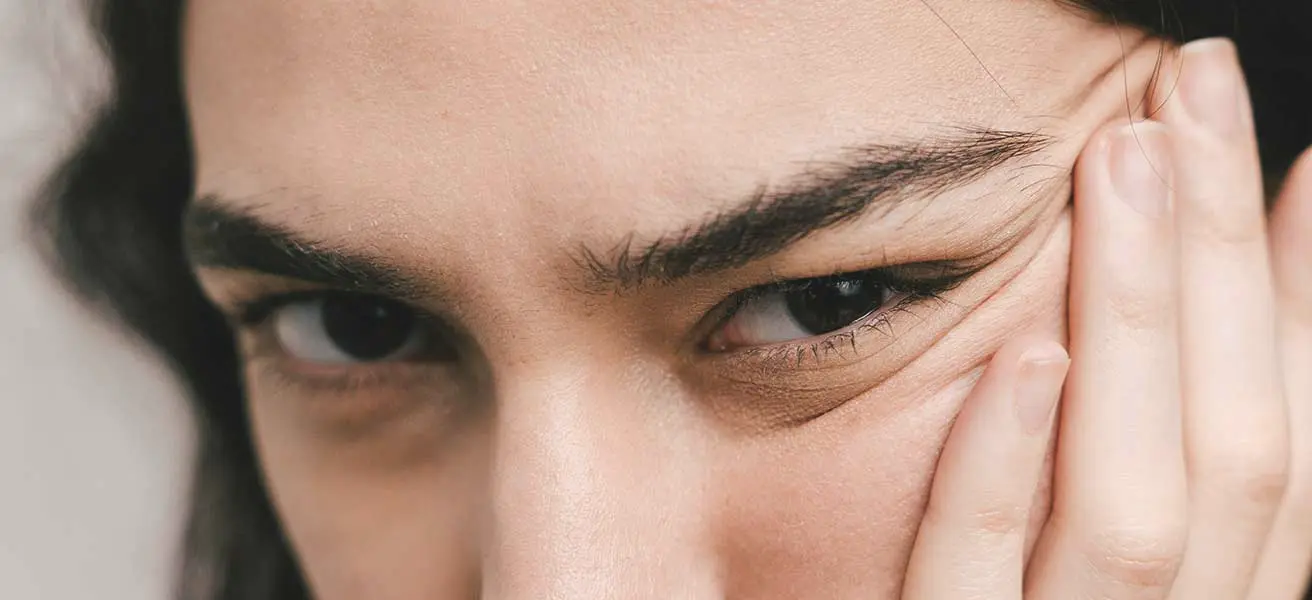
Why it matters: Hands are one of the most visible signs of ageing, showing volume loss, skin laxity, wrinkling, and a "skeletal" or translucent appearance as skin thins and fat pads shrink over time.
How it helps: Purified fat is injected beneath the skin of the hands to restore lost volume, softening the appearance of veins, tendons, and bones and giving the hands a smoother, more youthful look.
Trend note: Fat grafting for hand rejuvenation has long been popular in Europe and the US, and demand has grown across Asia in recent years as awareness of the results increases.
Fat transfer breast augmentation is commonly chosen by:
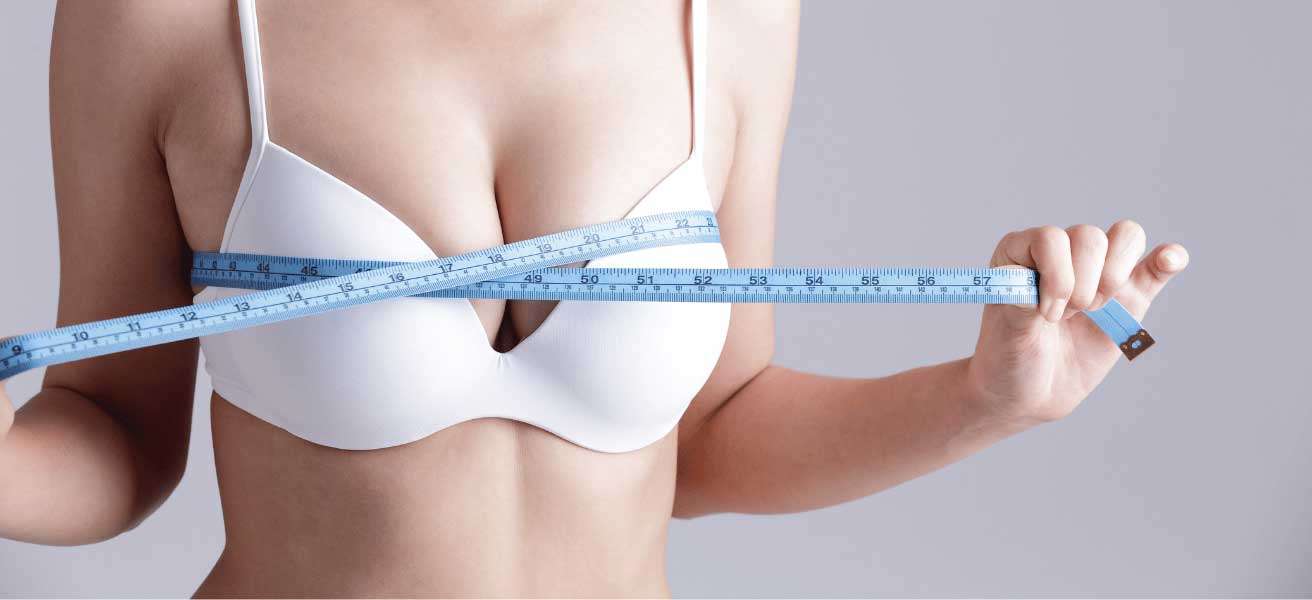
The procedure uses the patient's own fat instead of silicone or saline implants, removing the risk of implant rupture or leakage. Local demand for this approach has grown, with clinics in Singapore reporting increased interest in fat-transfer breast augmentation as an alternative to implants.

Also known as a Brazilian Butt Lift (BBL) approach, buttock fat transfer adds volume and smooths skin texture using the patient's own fat rather than implants. Because no synthetic implant is used, there's no risk of implant rupture or leakage, a common concern with traditional buttock implants.
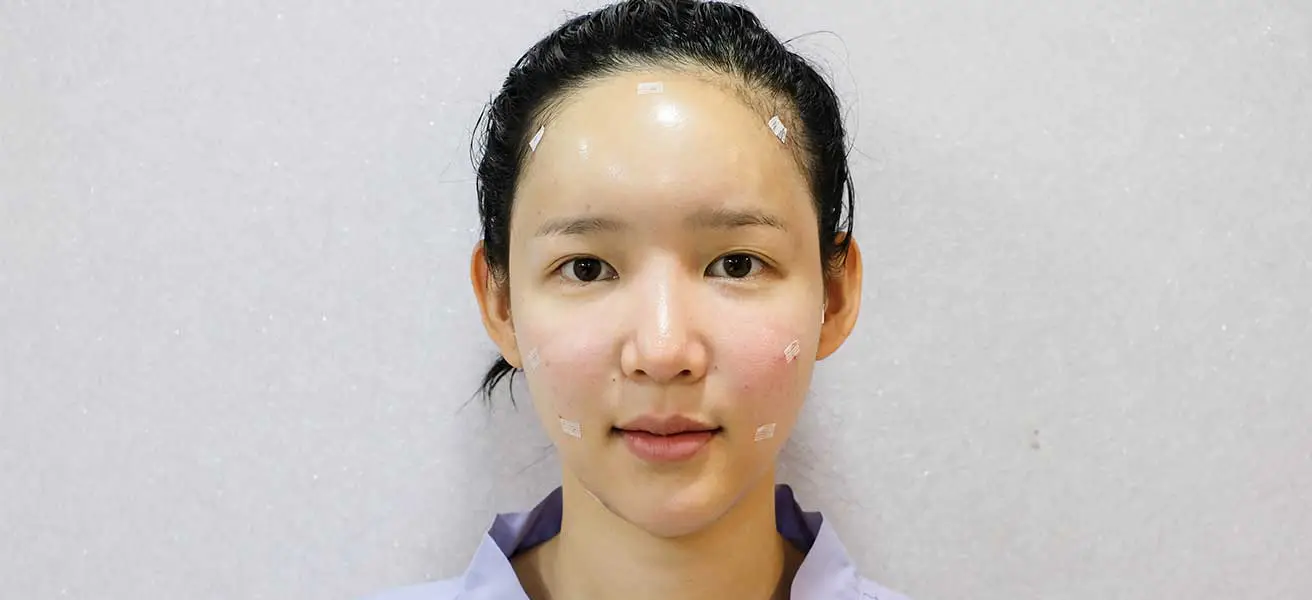
As skin ages, collagen and volume naturally deplete, leading to sagging, drooping, and lines and wrinkles on the face and neck. Facial fat grafting (offered at Amaris B. Clinic as ADR-C Facial Enhancement) aims to:
Rising demand driver: Dr Ivan Puah notes that beyond anti-ageing, social media and facial-augmenting filters have increased demand for smoother skin and enhanced cheek, chin, and temple contours achievable through facial fat grafting.
| Benefit | Explanation |
|---|---|
| Two-for-one treatment | Removes unwanted fat from a problem area while enhancing another area in the same session; harvested fat can even be used in multiple sites at once. |
| Natural material | Uses the patient's own fat instead of a foreign substance like silicone implants or dermal fillers, reducing the risk of rejection or allergic reaction. |
| Long-lasting results | Retention rate of roughly 70–75%, making results largely permanent after the fat integrates into the new site. |
| Biocompatible | A 2017 research study found adipose (fat) tissue is easily obtainable and biocompatible, meaning it is well-tolerated by living tissue. |
In cases where the patient had overcorrection during the initial liposuction or gynecomastia surgery that led to hollows, dents, or an unbalanced silhouette, Dr Ivan Puah will use fat grafting to rectify the botched job.The grafted fat fills depressions and creates continuity between treated and untreated areas, resulting in a more fluid, natural-looking outcome.

Fat grafting requires more than technical skill; it demands artistic judgment. Dr Ivan Puah describes the process as 30% science, 70% art, comparing it to sculpting: understanding exactly how much fat to extract, where to place it, and how to inject it for a natural result.
Important: In Singapore, only doctors accredited with a liposuction license may perform fat grafting, since it involves surgical fat removal. Patients should choose a doctor with:
Dr Ivan Puah has over 20 years of surgical body-sculpting experience, including liposuction, Vaser Liposuction, 4D (Hi-Definition) Liposuction, Laserlipolysis, fat grafting, and gynecomastia surgery. Procedures are performed in an MOH-accredited operating theatre with an anaesthesiologist present, and patients are kept comfortable under twilight sedation rather than general anaesthesia.
Results are largely permanent once the transferred fat establishes a blood supply in its new location. Typical fat retention is around 60% - 75%, meaning some of the transferred volume is naturally reabsorbed by the body in the months after the procedure, while the rest remains long-term. Fat grafting retention rates highly depends on body area, technique, when it was measured, and patient factors. For any one person, a realistic estimate depends on their anatomy, health and the doctor's method.
Because fat grafting uses the patient's own tissue, it removes the risk of rejection associated with foreign materials, as well as risks like implant rupture or leakage.
At Amaris B. Clinic, fat grafting is performed under twilight sedation rather than general anaesthesia, with an anaesthesiologist monitoring the patient throughout.
Yes. Fat is harvested from one donor site and can be injected into more than one target area in the same session. For example, removing fat from the abdomen and using it for both facial and hand rejuvenation.
Only doctors accredited with a liposuction license can perform fat grafting in Singapore, since the procedure involves surgical fat extraction as well as re-injection.
Dermal fillers use a synthetic or biosynthetic substance injected into the skin, while fat grafting uses the patient's own harvested fat. Fat grafting requires a surgical liposuction step but offers longer-lasting, more natural-integrating results.