Facial fat transfer recovery in Singapore: what to expect from day 1 to month 6, swelling and bruising timeline, aftercare, and how long results last.
October 18, 2026


Public parking available or drop off along Arab Street, Village Hotel Bugis (Previously known as Golden Landmark Hotel)
Buses (2, 12, 32, 33, 130, 133, 133A, 520, 960, NR7) MRT (alight at Bugis MRT station)


44.4% of women in Singapore aged 15 to 64 reported ranking hair loss as their top hair concern, surpassing concerns about hair damage or dryness
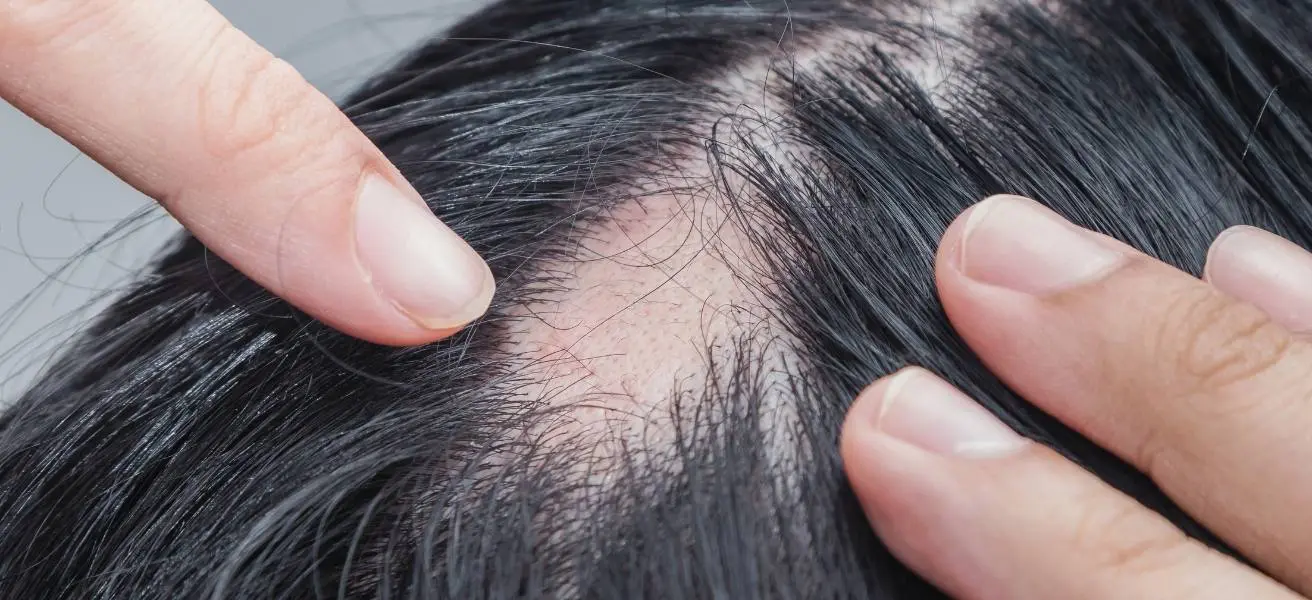
Female pattern hair loss is a condition where women experience thinning hair on the crown and front of the scalp, but the frontal hairline typically remains intact [1]. In female pattern hair loss, hair thinning is not as severe as balding in men [2].
44.4% of women in Singapore aged 15 to 64 reported ranking hair loss as their top hair concern, surpassing concerns about hair damage or dryness [3].
In the USA, over 21 million women are recorded as being affected by female pattern hair loss [4], with 12% being around 30 years old, while 30% to 40% are between 60 and 69 years old [5].
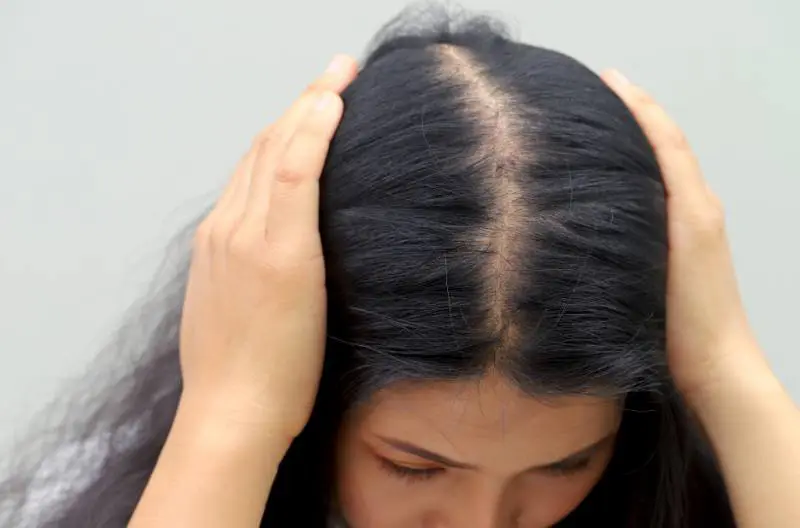
Hair loss has always been thought to occur due to hormones [6]. However, studies have indicated that there are other causes to consider such as other diseases and conditions, including:
Multiple theories suggest that pattern hair loss is influenced by several genes working together, linking polycystic ovary syndrome (PCOS) to early male pattern baldness. This indicates that some women with both conditions might experience hair loss similar to men [8].
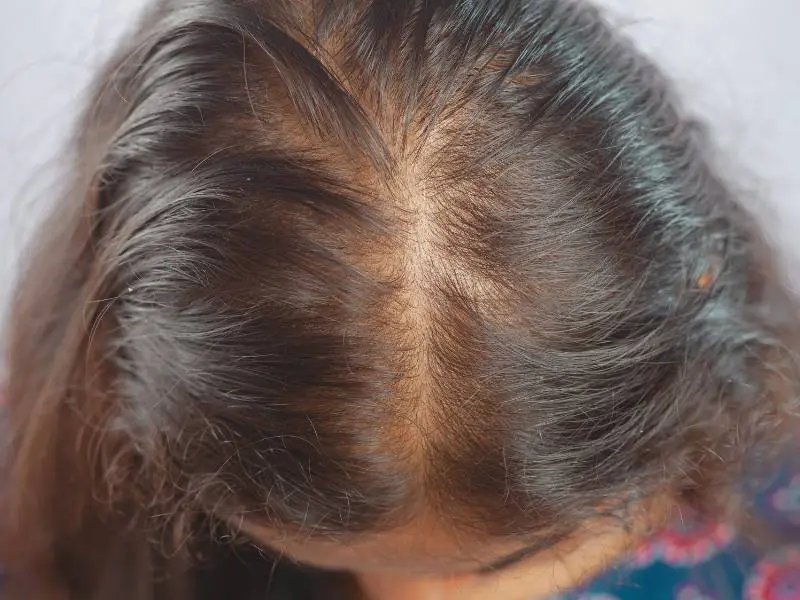
The most common phase of a woman's life during which she is likely to experience hair loss is during a significant and long period of hormonal changes, such as postpartum or menopause [9].
Although female pattern hair loss generally happens after puberty, it can still occur at any age [10].
A study [13] revealed that:
The main factor affecting the perception of hair loss is low hair density. Other factors, such as hair diameter, can also influence how hair loss is perceived.
Note that having lower hair density isn't necessarily caused by a reduction in hair follicle size, as changes can happen within a single hair growth cycle [13].
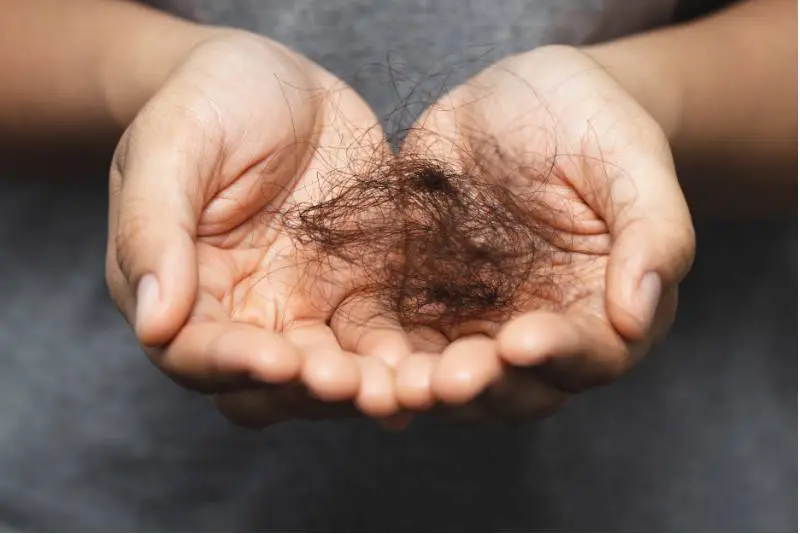
Even though the condition is not serious, it can cause significant emotional distress and low self-image [12] for those affected, which can lower their quality of life, which may not even reflect the actual amount of hair loss [13]!
It can also lead to other health issues, such as chronic stress.
For some, the powerful impact of hair loss can be as challenging as those dealing with life-threatening illnesses [14, 15].
| Patient-perceived negative effects of hair loss [16] | |
|---|---|
| Shame | Feeling uncomfortable |
| Anger | Dissatisfaction with body image |
| Embarrassment | Feeling of being older |
| Humiliation | Sense of inadequacy |
| Disgrace | Loss of self-confidence |
| Hate | Unhappy about appearance |
| Disgust | Reduced worth |
| Fright | Reduced social acceptance |
| Sadness | Feelings of helplessness |
| Depression | Self-consciousness |
| Worrying | Social stress |
| Frustration | Powerlessness |
At Amaris B. Clinic, we understand the importance of addressing hair loss.
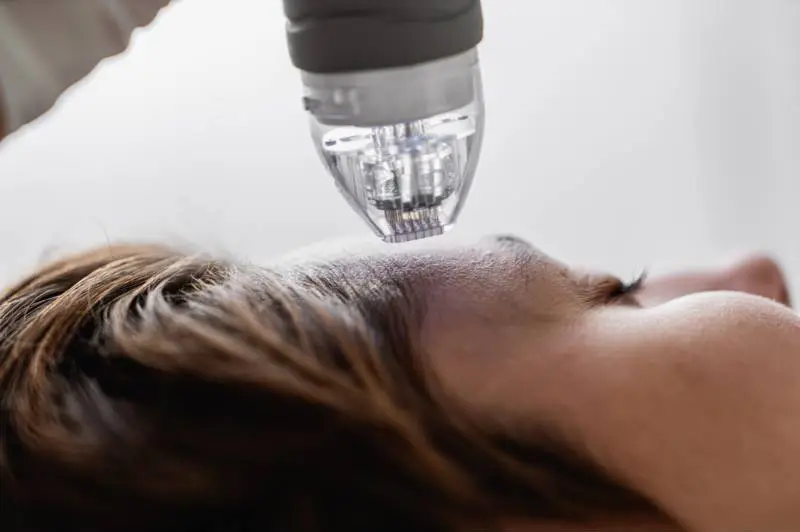
Our Follicle Renewal Hair Therapy utilises a combination of RF Microneedling and Exosome Therapy to treat thinning hair at its source, without the need for surgery.
Using microneedles to make tiny punctures in the scalp, this technique helps improve blood flow and prepares the area for treatment. Radiofrequency energy then is applied to heat the deeper skin layers, promoting collagen production. This process reactivates dormant hair follicles, strengthening existing hair and encouraging new growth.
After microneedling, specially prepared exosomes are applied to the scalp. These exosomes enter through the tiny openings to stimulate key cells that contribute to hair growth, prolong the growth phase of hair, and promote a healthy scalp by reducing inflammation.