Who qualifies for breast fat transfer in Singapore? Check health criteria, donor fat, contraindications and timing after pregnancy.
October 26, 2026


Public parking available or drop off along Arab Street, Village Hotel Bugis (Previously known as Golden Landmark Hotel)
Buses (2, 12, 32, 33, 130, 133, 133A, 520, 960, NR7) MRT (alight at Bugis MRT station)


Explore effective solutions for stubborn hip and thigh fat in pear-shaped women. Expert body sculpting and liposuction services in Singapore.
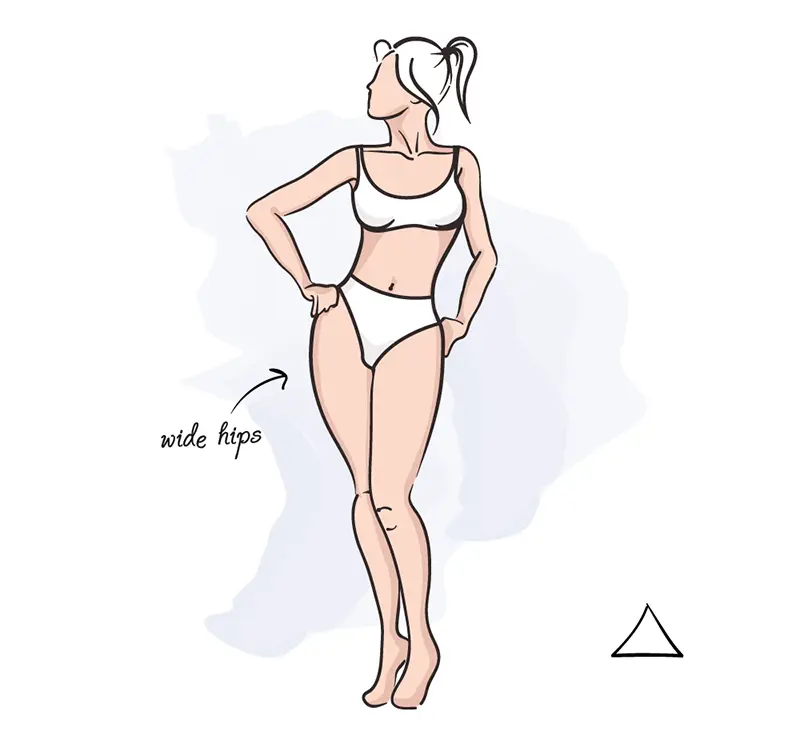
Characteristics of a pear body shape
Gynoid obesity, or "pear-shaped" obesity, is when a person has more fat in the lower body compared to the upper body. This is mainly influenced by hormones, especially estrogen, which helps store fat in the lower body. In contrast, testosterone, which is more common in men, leads to fat being stored in the upper body. Factors like genetics and metabolism also play a role in this type of obesity[1].
Women generally have a higher percentage of body fat than men, with more fat located in the hips and thighs. This "female" fat distribution helps protect against diseases like type 2 diabetes and buildup of fats, cholesterol and other substances in and on the artery walls[2].
While early studies revealed that the pear-shaped fat distribution is mainly found in women[3], about 40% of women between the ages of 30 and 79 have more fat stored in their abdominal area, leading to similar metabolic issues as men[4].
For the same BMI, women have about 10% more body fat than men[5, 6]. As we age, women continue to have higher body fat percentages throughout their lives[7].
At similar BMI, women tend to have more subcutaneous adipose tissue both in the abdomen and in the hips [8,9,10,11]. During puberty, boys primarily gain weight from muscle mass, whereas girls gain weight from fat. This is when distinct fat distributions (android for men and gynoid for women) emerge. After menopause, women's fat tends to move to the abdominal area due to decreased estrogen levels.
Studies found that women aged 40 to 60 with a pear body shape tend to have lower symptoms of anxiety and depression. However, after menopause, when women's body shape shifts to an apple form, this relationship weakens[12].
A pear body shape also carries health risks, such as an increased chance of Type 2 diabetes, heart disease, and high blood pressure[13].
Those with a pear body shape usually face challenges like self-body shaming, problem finding clothes that fit well or not participating in water activities to avoid wearing swimming costumes. This can lead to feelings of low self-esteem, exclusion and a reduced quality of life.
| Solution | Pros | Cons |
|---|---|---|
| Waist compression garment | Immediate results with slightly reduced waist circumference
May fit into clothes better | Temporary results
Breathing difficulties Uncomfortable Hot, especially in our climate Organ & bone damage Weakened core muscles |
| Thigh shapewear | Immediate results with slightly reduced thigh circumference
May fit into clothes better | Temporary results
Breathing difficulties Uncomfortable Hot, especially in our climate |
| Non-invasive treatments | Affordable single session
Variety of treatment choices Minimal downtime Can target multiple areas | Unpredictable results, if any
Not all devices have undergone sufficient clinical testing Can be expensive in multiple sessions May cause side effects like Paradoxical Adipose Hyperplasia from cryolipolysis Can be expensive in multiple sessions Some devices are not HSA approved to be used for fat burning or body contouring Device may not be operated by a licensed doctor May cause blisters and hyperpigmentation on skin |
| Fat-burning machines | Affordable single session
Variety of treatment choices Minimal downtime Can target multiple areas | No scientifically-proven results
Can be expensive in multiple sessions Device may not be operated by a licensed doctor May cause blisters and hyperpigmentation on skin |
| Modern liposuction with the MDC-Sculpt® Lipo Technique | Immediate permanent results
Targeted fat removal Can target multiple areas in one session Customised body sculpting surgical procedure. Simultaneously tightens the skin in the treated area Minimal scarring Minimal downtime Controlled sculpting in the thigh and hip area for natural-looking results |
Soreness can last for 7 to 14 days
Resume work in a couple of days The treated area may be bruised and tender but the discomfort is manageable Incisions may itch as they heal Temporary scar discolouration |
"Liposuction is 30% science and 70% art form. When carrying out Liposuction, it is essential that the doctor knows and has a deep understanding of the patient's unique fat anatomy to achieve natural-looking results," shares Dr Ivan Puah, Chairman of Lipo Peer Review Committee Singapore.
Unlike traditional liposuction, modern liposuction is an art form in this era. The results for patients are influenced by not just the unique anatomy but also the liposuction doctor's ability to work and shape the fat anatomy to accentuate the patient's underlying musculoskeletal anatomy.
Patients should choose a liposuction doctor based on the doctor's artistic flair, experience, and a consistent track record of good results.