Who qualifies for breast fat transfer in Singapore? Check health criteria, donor fat, contraindications and timing after pregnancy.
October 26, 2026


Public parking available or drop off along Arab Street, Village Hotel Bugis (Previously known as Golden Landmark Hotel)
Buses (2, 12, 32, 33, 130, 133, 133A, 520, 960, NR7) MRT (alight at Bugis MRT station)


Fat grafting therapeutic benefits have also been documented in the healing of wounds & scars & its ability to repair tissue as a result of radiation treatment.

Fat grafting results are considered long-lasting to permanent once the transferred fat cells establish a new blood supply, which typically happens within the first 3–6 months. Longevity depends on three factors: the doctor's technique, how well your body integrates the fat, and your lifestyle (smoking and heavy alcohol use shorten results). Some fat naturally resorbs after transfer, which is why doctors often slightly overfill the treated area.
Fat grafting (also called fat transfer or autologous fat transplantation) moves excess fat from one part of the body, such as the abdomen, thighs, or love handles, to another area like the face, hands, breasts, or buttocks. Because the treatment uses a patient's own fat, the risk of tissue rejection is significantly lower than with synthetic implants or fillers.
Beyond aesthetics, fat grafting has documented therapeutic uses in wound and scar healing, and in repairing tissue damaged by radiation treatment.

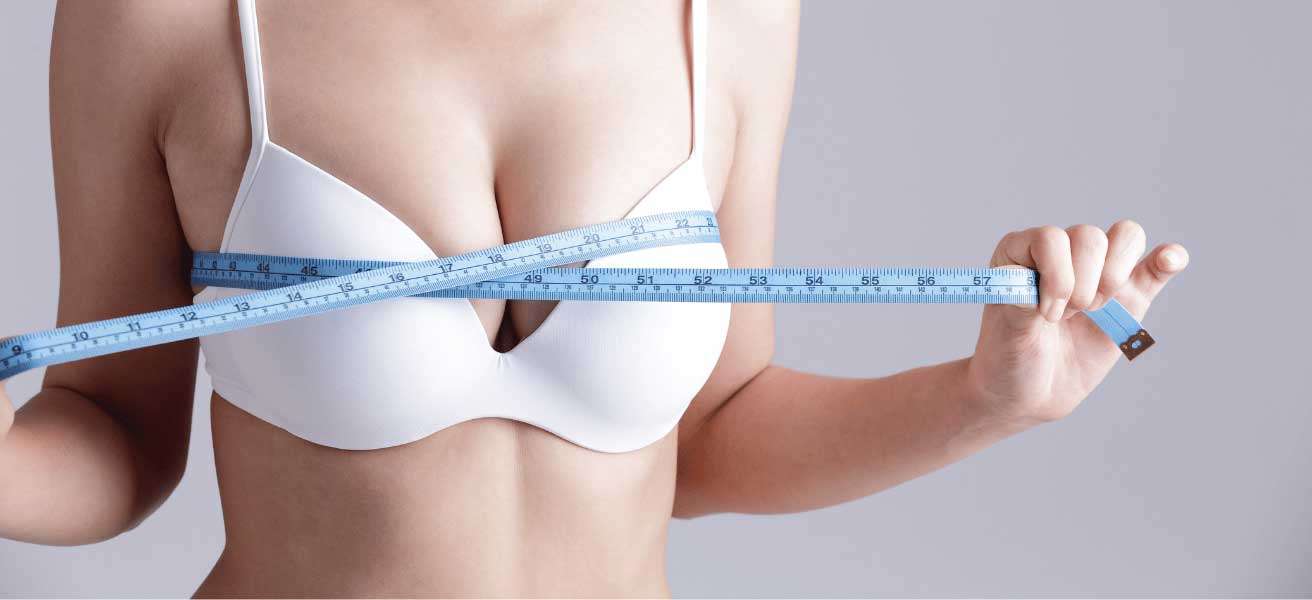
ADR-C Breast Enhancement is commonly chosen by post-breastfeeding mothers dealing with saggy or "empty" breasts, and by women with smaller breasts who want a larger cup size without implants. In Singapore, a reported 20% of women now choose fat grafting over implants for breast augmentation, citing natural results and long-term safety. Unlike implants, which typically need replacing every 10 years, fat grafting does not require removal or replacement.
Rising interest in fitness has driven demand for buttock enhancement that looks natural in activewear. Fat grafting to the buttocks suits patients with enough donor fat elsewhere on the body. Compared to buttock implants, it carries a lower risk of complications such as fluid collection, implant displacement, or capsular contracture, while producing a more natural result.
Hands often reveal age before the face does, skin laxity and fat loss can leave them looking skeletal or translucent. Fat grafting to the hands restores volume, improves skin quality, covers visible blood vessels, and smooths wrinkled areas.
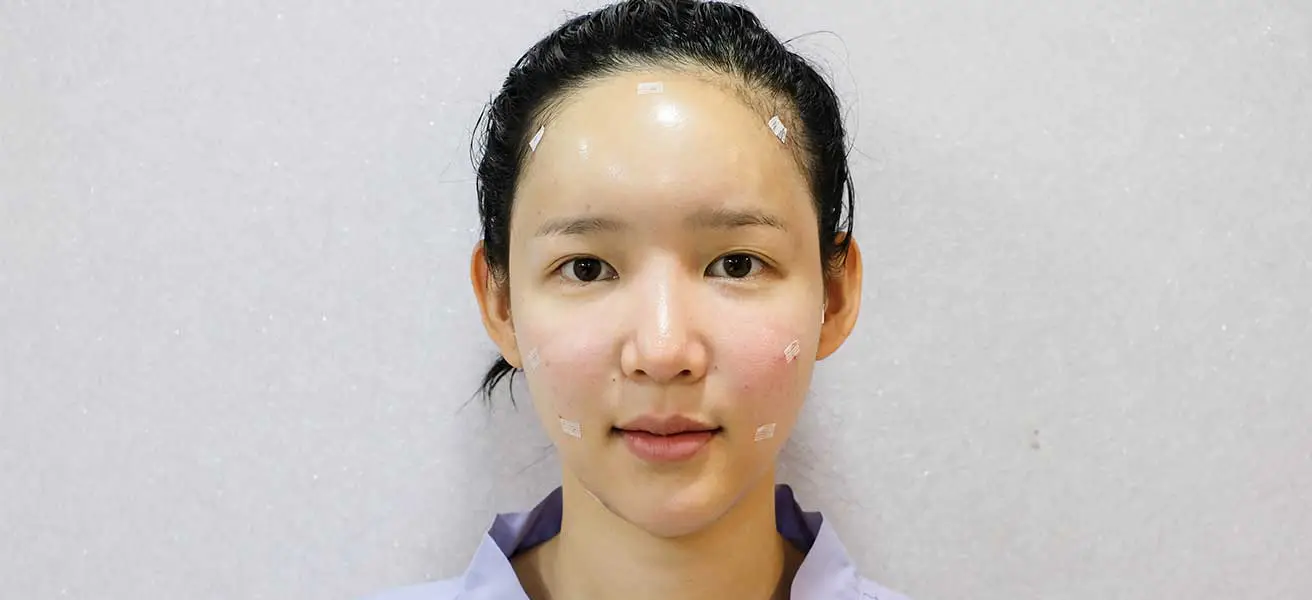
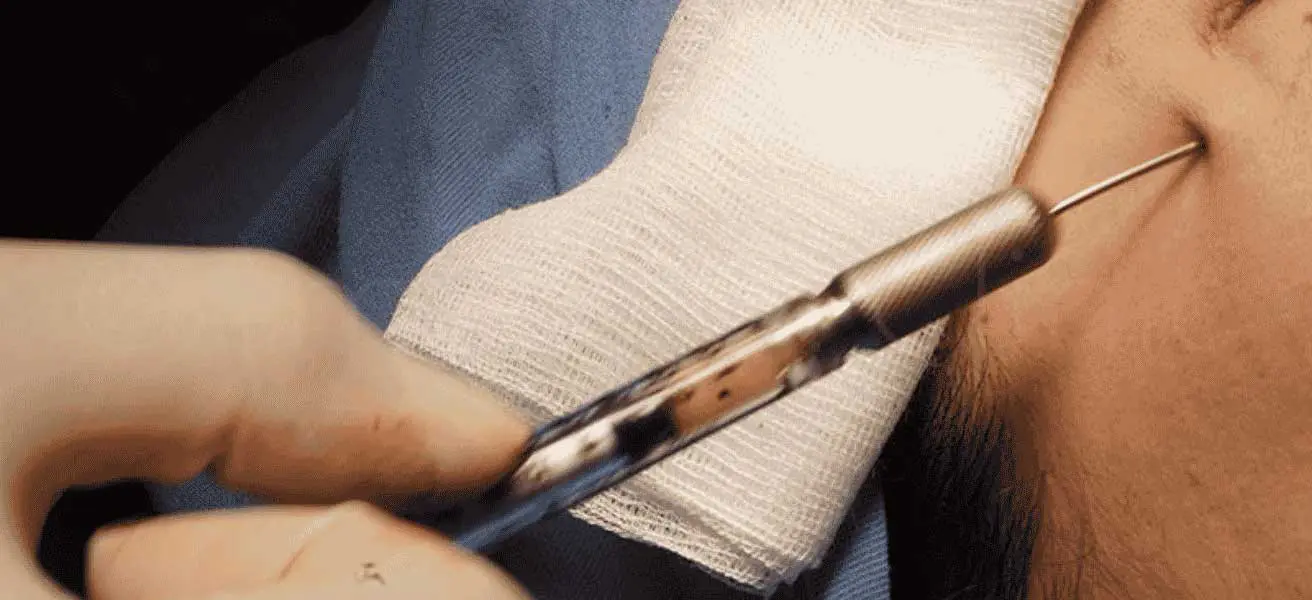
Facial fat grafting is performed under local anaesthesia and is popular for restoring a youthful appearance. Compared to dermal fillers, results last longer and carry a lower risk of allergic reaction.
| Step | What Happens |
|---|---|
| 1. Fat extraction | Fat is removed from a donor area (e.g. abdomen, thighs) via liposuction or liposculpture |
| 2. Fat processing | The extracted fat is separated and cleansed |
| 3. Fat reinjection | Purified fat is injected into the treatment area |
Fat grafting is generally safe. Possible side effects include:
When performed correctly, fat grafting is long-lasting. Three factors determine how long results hold up:
Fat that successfully develops a blood supply typically stays in place long-term. A portion of transferred fat may be reabsorbed by the body in the months after treatment, which is why doctors often account for this during the procedure.
Final results usually show once the fat has stabilised and gained a blood supply, generally within 3–6 months.
Does fat grafting last longer than fillers or implants? Facial fat grafting tends to last longer than dermal fillers. In the breast, fat grafting doesn't require replacement, unlike implants, which are often replaced around every 10 years.
Smoking, excessive alcohol consumption, and significant weight fluctuations can all reduce how long results last.
Yes because some fat resorption is expected, a secondary session is sometimes needed to reach or maintain the desired result.