Who qualifies for breast fat transfer in Singapore? Check health criteria, donor fat, contraindications and timing after pregnancy.
October 26, 2026


Public parking available or drop off along Arab Street, Village Hotel Bugis (Previously known as Golden Landmark Hotel)
Buses (2, 12, 32, 33, 130, 133, 133A, 520, 960, NR7) MRT (alight at Bugis MRT station)


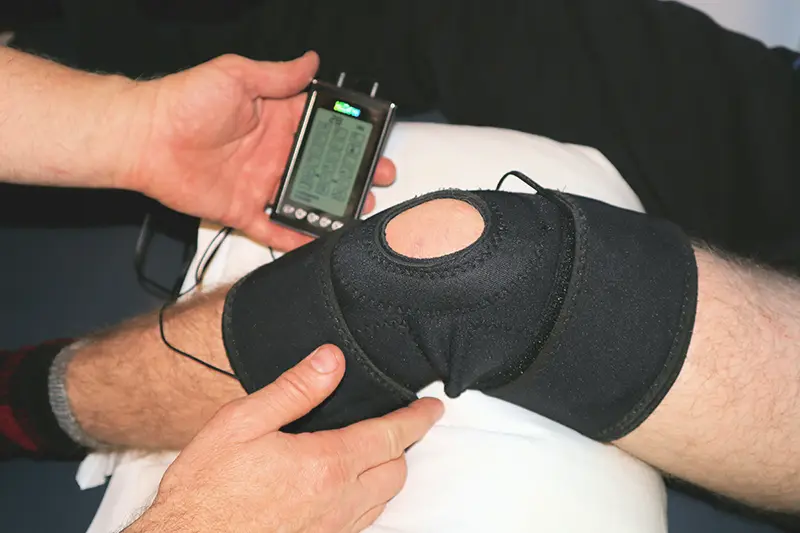
Waves and Vibrations Therapy using ultrasound and electrotherapy can accelerate healing, reduce tissue swelling and pain, and reduce muscle tightness.

Musculoskeletal conditions affect around 1.71 billion people worldwide, with low back pain being the leading cause of disability in 160 countries.
Waves and Vibrations Therapy, utilizing techniques like ultrasound and electrotherapy, promotes healing, reduces pain, and enhances mobility by targeting collagen-rich tissues.
This pain-free therapy addresses both acute and chronic injuries by increasing blood flow and soft-tissue strength. Conditions treated include various types of pain and issues like fibromyalgia and sciatica.
However, it may not be suitable for pregnant women, those with sensory issues, or individuals with lymphoedema. Always consult a healthcare provider for medical advice.
According to the World Health Organisation (WHO), approximately 1.71 billion people in the global population suffer from musculoskeletal conditions, with low back pain being the leading cause of disability in 160 countries.
Musculoskeletal conditions are characterised by pain (acute or chronic) and mobility limitations, affecting people’s ability to live a high-quality life.
The most common form of pain is musculoskeletal, and the number of people affected is rising rapidly, largely due to population growth and ageing.
Waves and Vibrations Therapy using ultrasound and electrotherapy, also known as extracorporeal shock wave lithotripsy (ESWL), can accelerate healing, reduce tissue swelling and pain and reduce muscle tightness [1, 2, 3].

The benefits of the wave and vibration therapy include promoting tissue healing, improving the quality of repair, and helping reduce pain [4].
Ultrasound energy is absorbed more readily in areas with a high collagen content [5].
These areas include ligaments, tendons, fascia, joint capsules, and scar tissue.
The musculoskeletal system, made up of muscles, bones, and joints, enables the body to move and function as it should.
Problems affecting the musculoskeletal system can cause pain and restrict or reduce movement [6].
Ordinarily, the issue is addressed with anti-inflammatory medicines, but this may not solve the root of the problem.
Waves and Vibrations Therapy can:

During the sessions, the ultrasound head is placed on the area to be treated.
The gel will be applied to ensure maximum contact between the ultrasound head and skin.
The head is then gently manipulated in the area.
It uses varying frequencies, either pulsed or continuous, to target the specific injury or condition.
It is a painless experience but highly effective at addressing acute injuries or chronic conditions.

Waves and Vibrations Therapy can speed up the healing process and increase soft-tissue strength.
In chronic injuries, the therapy will increase blood flow to the affected area.
This launches the healing process and reduces pain.
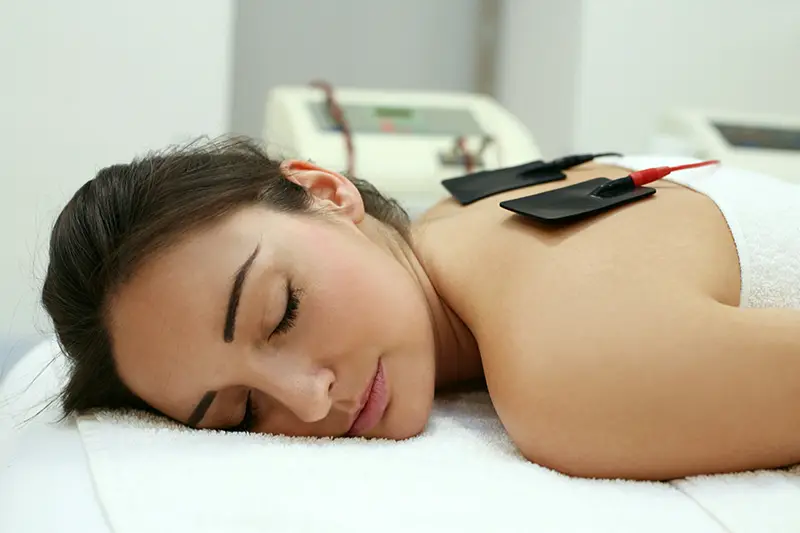
The list of conditions and pain types for which Waves and Vibrations Therapy is beneficial is extensive.
This includes:
Acute and chronic pain in the ankles and ankle joints
Acute and chronic low back pain associated with spinal nerve and disc pain, spinal osteoarthritis or degenerative disc disease
Acute and chronic pain in the neck associated with soft tissue injury to the muscles, ligaments or spinal discs, joint inflammation and spinal arthritis
Acute, chronic and post-surgical knee pain associated with muscle, tendon, ligament or joint arthritis problems
Acute and chronic shoulder pain associated with muscle, tendon, ligament or shoulder joint arthritis
Carpal tunnel syndrome
Plantar Fasciitis, Achilles Tendinopathy, Morton’s Neuroma and Peripheral Neuropathy
Others on the list are fibromyalgia, sciatica, rheumatoid arthritis, Shin splints, tennis elbow and more.
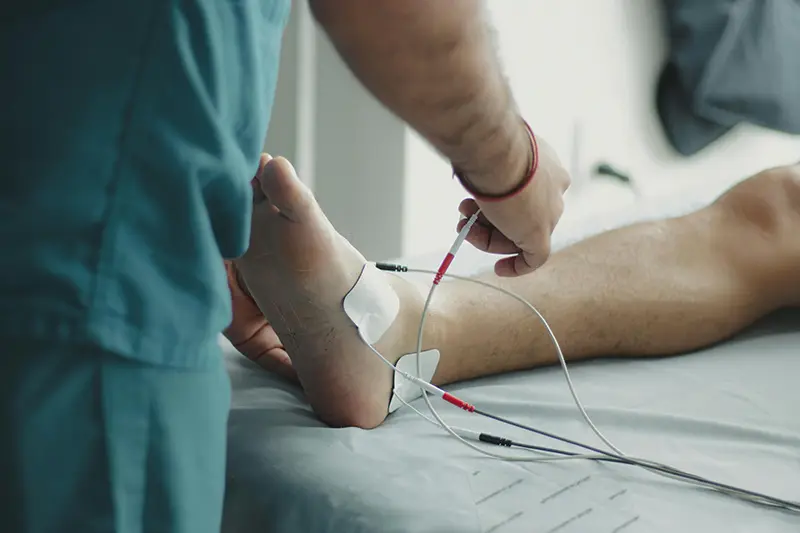
The therapy, while it does provide immense benefits, is not ideal for:
Rotary Field Technology is a modern innovation based on multiple crystal applicators where the ultrasound crystals are arranged as an array of ultrasound transmitters controlled by a real-time processor unit.
The processor unit activates individual crystals according to preset bounds.
This precise control, among other things, makes it safer against risks such as hotspots, which are common in some stationary ultrasound technologies.
Waves and Vibrations Therapy is a safe treatment, as the electrical current dosage poses no danger or harm.
This article has been written under the guidance and advisory of Dr. Ivan Puah, who has a Graduate Diploma in Sports Medicine and is trained in Trigger Point Dry Needling, and serves as the medical director of Amaris B. Clinic. The information provided herein is intended solely for educational purposes, to share the benefits of holistic therapies for pain relief management. It is important to note that waves and vibrations therapy should only be administered by trained and certified professionals.
Disclaimer: This article is not intended to serve as medical advice or consultation. The content is not a substitute for professional medical diagnosis, advice, or treatment. Individuals should seek the advice of their physician or other qualified health providers with any questions they may have regarding a medical condition. Do not disregard professional medical advice or delay in seeking it because of something you have read in the article.