
Who qualifies for breast fat transfer in Singapore? Check health criteria, donor fat, contraindications and timing after pregnancy.
October 26, 2026


Public parking available or drop off along Arab Street, Village Hotel Bugis (Previously known as Golden Landmark Hotel)
Buses (2, 12, 32, 33, 130, 133, 133A, 520, 960, NR7) MRT (alight at Bugis MRT station)


Despite its rather "intimidating" tone yet somewhat interesting, cruciferous vegetables are actually good for you. They help promote weight loss, among others.
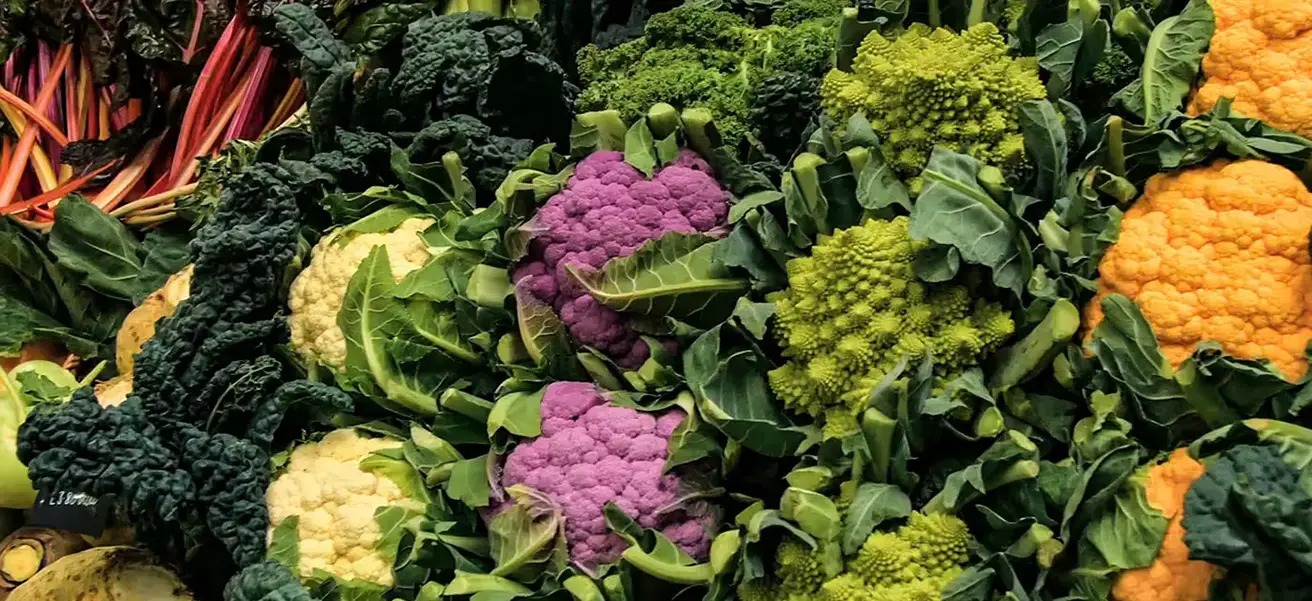
Vegetables, particularly cruciferous ones, are essential for health and can aid in weight loss. Cruciferous vegetables like brussels sprouts, kale, broccoli, bok choy and cabbage also have cancer-fighting properties.
Overall, incorporating these vegetables into your diet is highly beneficial, and there's no reason to dislike them. So, make sure to eat your greens!
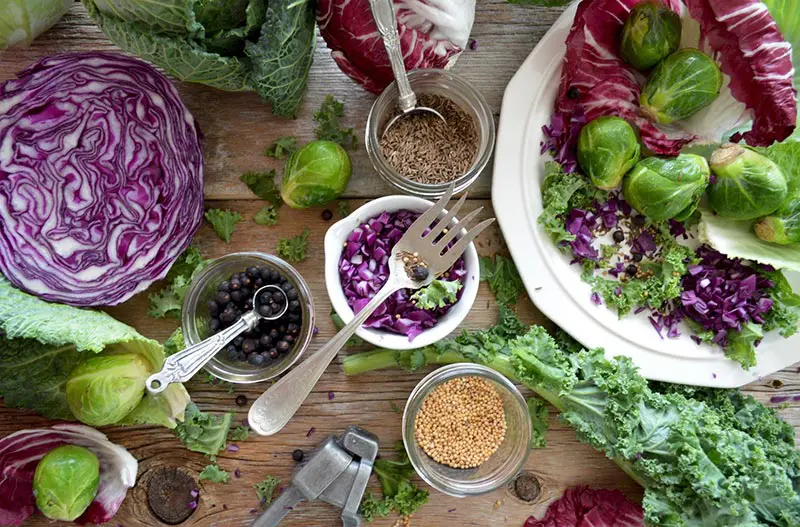
Vegetables – you may have hated them as a kid, but now that you're an adult, you should know how important they are. When it comes to vegetables, there are varieties, including leafy greens, root and cruciferous ones.
Despite their rather "intimidating" tone, cruciferous vegetables are actually somewhat interesting and good for you [1]. They help promote weight loss, among others. You'd be surprised that you may, in fact, know many of them already.
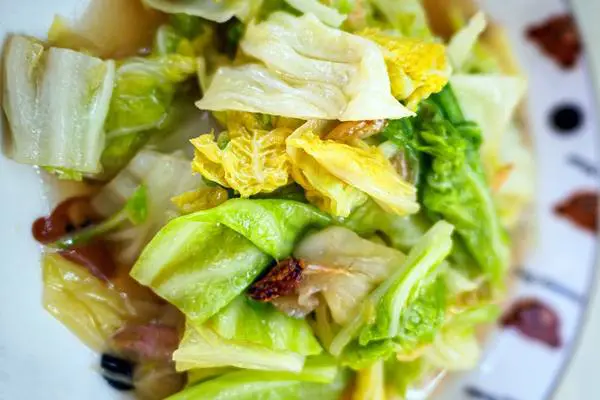
It's high in fibre, low in fat, and a cup of cooked cabbage contains only 33 kcal, ideal for weight loss, you have to agree.
It's also good for the brain as it contains Vitamin K and anthocyanins [2]. Commonly, it's prepared in soup form, but there are plenty of cabbage recipes to stir that appetite and light the imagination!
Read more about other weight loss blogs

Bok choy is a vegetable most people are familiar with. It's a common fare on dinner tables in many parts of the world these days as well. It contains nutrients such as iron and zinc, which are crucial for collagen production and growth [3].
It also has Vitamins K, C and E, to name a few. Apart from stir-frying, there are other ways to enjoy your bok choy!
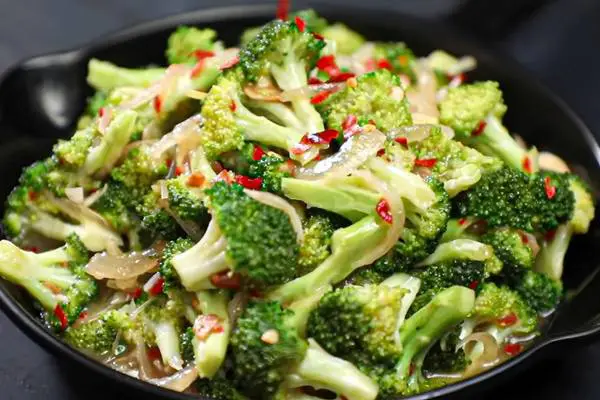
Broccoli is the bane of most children and some adults. Maybe it's the appearance, but the maxim that an appearance can be deceiving definitely applies to broccoli.
It is packed with nutrients, including soluble fibre that can help reduce cholesterol, which is good for the heart [4]. You can make it visually palatable for yourself or the kids as well.
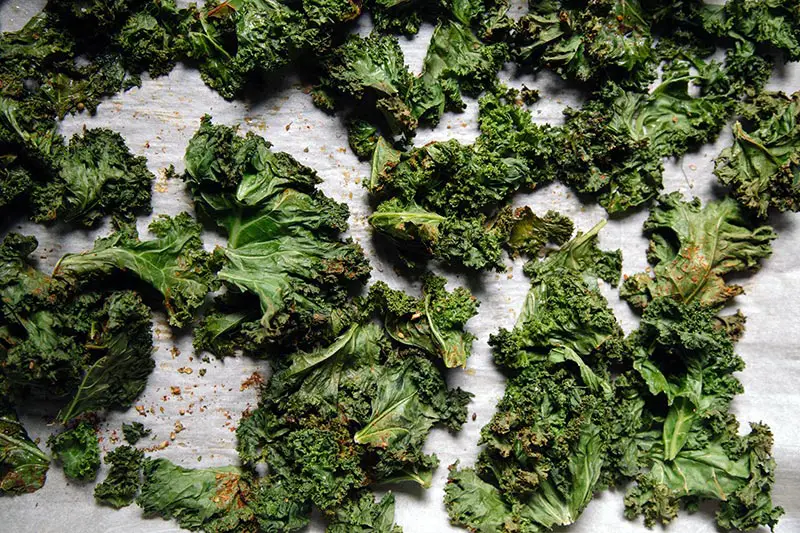
If you want healthy skin, hair and bones, then kale is your answer [5]. Regarded as one of the world's most nutritious foods, Kale is also a good source of iron and Vitamin C.
It can be enjoyed as a smoothie and, not forgetting, in several appetite-stimulating ways.
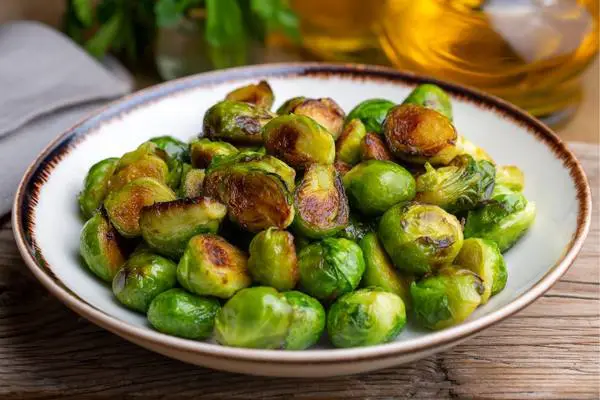
Another vegetable that's high in nutrients and rich in antioxidants is brussels sprouts [6]. Antioxidants can help reduce the risk of chronic disease, making this vegetable a staple on your plate.
It's also high in fibre, which, among other things, helps promote digestive health. You don't have to scratch your head when it comes to brussels sprouts recipes, for there are heaps!
There are other cruciferous vegetables equally worth mentioning, such as radish, turnip, and watercress. But, of course, one of the reasons behind the demand for cruciferous vegetables is their apparent cancer-fighting properties.
Still, in general, eating vegetables is good for you, and when something is good, there's no reason to hate it, right?
So, finish your greens.