
Wondering if you qualify for breast fat transfer? Check BMI range, health criteria, and contraindications reviewed by an MOH-accredited doctor.
September 12, 2026


Public parking available or drop off along Arab Street, Village Hotel Bugis (Previously known as Golden Landmark Hotel)
Buses (2, 12, 32, 33, 130, 133, 133A, 520, 960, NR7) MRT (alight at Bugis MRT station)


Learn how doctors diagnose gynecomastia in Singapore, pinch test, hormone bloodwork, grading system, and next steps. Book a consultation with Dr Ivan Puah.

In Singapore, gynecomastia is diagnosed by conducting several tests, such as a physical pinch test (to check for firm glandular tissue behind the nipple), blood tests (to assess hormonal levels), liver and kidney function tests, or ultrasound and a review of medical and lifestyle history. A doctor uses these findings to confirm the condition, rule out other causes, and grade its severity before recommending treatment.
Gynecomastia affects 50% to 60% of adolescent males and nearly 70% of men in their 50s and 60s in Singapore. It's a recognised medical condition that can affect self-confidence, body image, and quality of life. A proper diagnosis is the first step toward the right treatment.
Doctors in Singapore typically use one or more of the following methods to confirm a gynecomastia diagnosis, depending on the individual case:
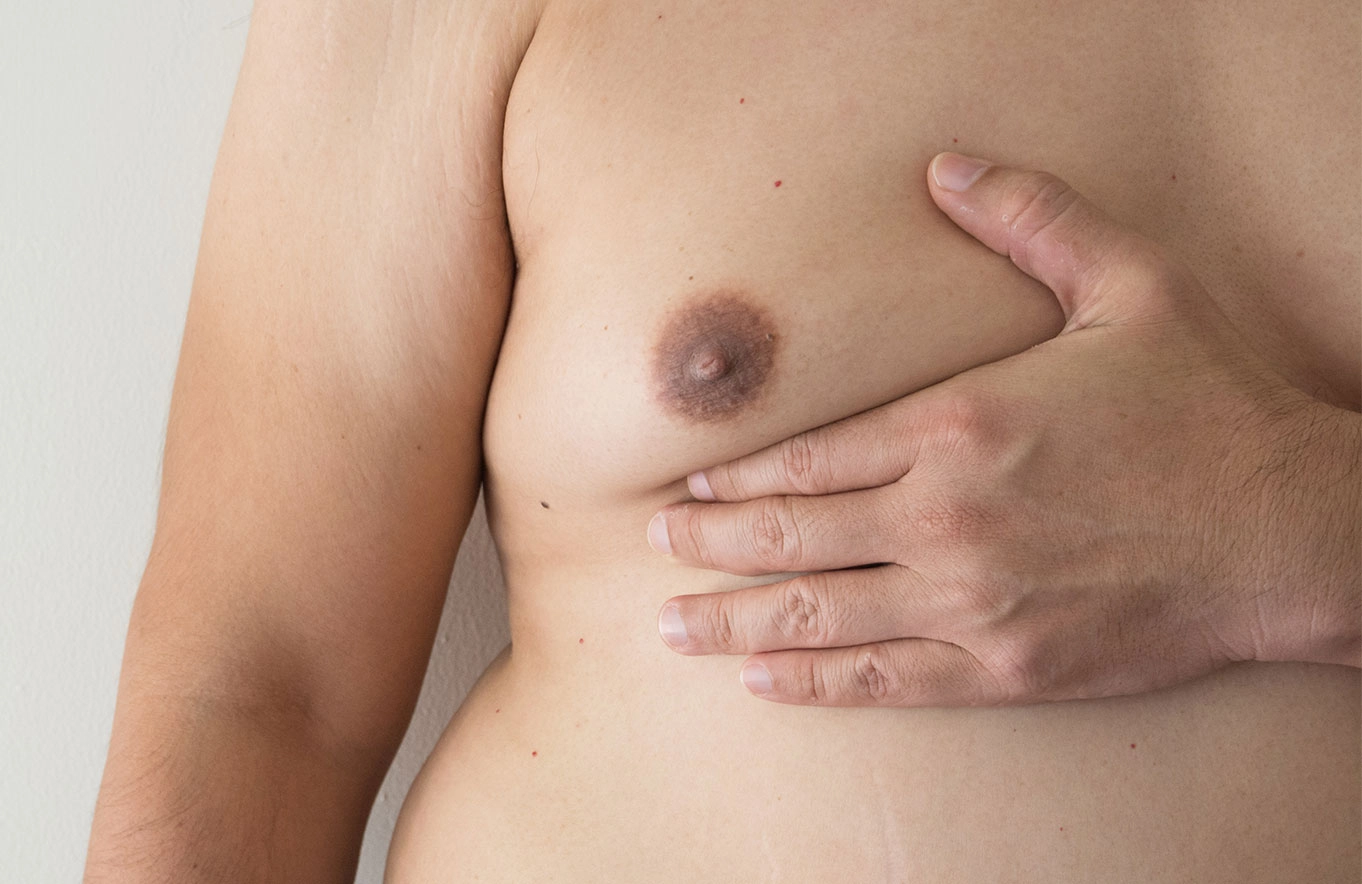
The doctor pinches the areola and nipple area, feeling for a firm mass of 2 cm or more in diameter in the tissue beneath the nipple, in one or both breasts. During this exam, the doctor also checks for:
A blood test measures hormone levels, particularly testosterone and estrogen. An imbalance between the two can explain why glandular breast tissue has enlarged. Blood work can also flag other underlying conditions contributing to the enlargement.
Because gynecomastia has been linked in research to liver and kidney disease, doctors may order liver and/or kidney function tests as part of the diagnostic workup.
The doctor will ask about:
Certain medications are known to cause gynecomastia as a side effect, including antibiotics, diuretics, antidepressants, anti-anxiety medication, and antacids with estrogenic properties. Where needed, the doctor may order scans, such as ultrasound to determine the tissue and size.
After examination, a doctor will classify the condition into one of three types:
| Type | Description |
| True gynecomastia | Glandular tissue only |
| Mixed gynecomastia | Glandular tissue and fat |
| Pseudogynecomastia | Also called lipomastia or adipomastia, enlargement caused by excess chest fat, not glandular tissue. |
Doctors use a grading system to classify severity and guide treatment planning:
Grade I (Mild): Small, localised enlargement, a "button" of tissue around the areola; no excess skin.
Grade II (Moderate): Enlargement extends beyond the areola; little to no skin excess (sometimes split into IIa/IIb).
Grade III (Moderate with skin excess): Moderate enlargement with some excess skin and slight sagging.
Grade IV (Severe): Severe enlargement, marked excess skin, a distinctly feminine breast contour, and drooping of the tissue and nipple.
Once diagnosed and graded, treatment depends on severity and how much the condition affects the individual's wellbeing:
Non-surgical options: Anti-androgen therapy, anti-estrogens, and other pharmacological interventions for certain eligible cases.
Surgery: Medically proven to be the gold standard in addressing gynecomastia successfully is the gynecomastia surgery, including liposuction and glandular tissue removal.
Diagnosis begins with a thorough medical history review and physical examination. The doctor will palpate the chest to assess tissue consistency, a firm, rubbery mound beneath the nipple-areolar complex indicates true glandular tissue. The pinch test helps distinguish gland from fat.
Blood tests may be ordered to measure testosterone, estrogen, luteinizing hormone (LH), follicle-stimulating hormone (FSH), prolactin, and thyroid function. However, for physiologic or pubertal gynecomastia, blood tests are often not required. Imaging such as ultrasound may be used if clinically indicated.
Gynecomastia involves enlarged glandular breast tissue, while pseudogynecomastia (lipomastia) is caused by excess fat in the chest area with no glandular growth.

Blood tests can help to identify hormonal imbalances or other medical conditions that may be contributing to the breast tissue enlargement as it can measure testosterone and estrogen levels, as well as LH, FSH, prolactin, and thyroid-stimulating hormone. However, in many cases of physiologic or pubertal gynecomastia, blood tests are not necessary.
Studies cited by local clinics estimate gynecomastia affects 50–60% of adolescent males and nearly 70% of men in their 50s and 60s in Singapore.
Non-surgical options can help in specific cases. Medications such as tamoxifen or raloxifene (selective estrogen receptor modulators) are effective for recent-onset gynecomastia (typically under 12 months) and may reduce tenderness and size.
However, for established, persistent gynecomastia, particularly cases lasting beyond 12 months, surgery is the only treatment proven to fully and reliably resolve the condition. Surgical removal of glandular tissue provides permanent results, although weight gain or certain medications can affect outcomes.
If you suspect you have gynecomastia, book a consultation with Dr Ivan Puah at 140 Arab Street, Singapore (199827).