Who qualifies for breast fat transfer in Singapore? Check health criteria, donor fat, contraindications and timing after pregnancy.
October 26, 2026


Public parking available or drop off along Arab Street, Village Hotel Bugis (Previously known as Golden Landmark Hotel)
Buses (2, 12, 32, 33, 130, 133, 133A, 520, 960, NR7) MRT (alight at Bugis MRT station)


The ADR-C Facial Enhancement (facial fat grafting), is a natural procedure that allows you to transfer your body fat tissue to restore lost volume.

Facial fat grafting (also called fat transfer or autologous fat transfer) removes fat from an area like the abdomen or thighs and re-injects it into the face to restore volume, smooth wrinkles, and sculpt a more youthful contour. Because it uses your own tissue, there's no risk of allergic rejection, and results can last for years.
We know nobody's perfect, but sometimes we'd like a little more padding in some areas, and less in others. Targeted fat loss isn't possible through diet or exercise alone. But what if you could shift unwanted fat from one part of your body to the part you'd most like to enhance?
The ADR-C Facial Enhancement at Amaris B Clinic does exactly that: it transfers fat from areas like your abdomen, love handles or upper arms to your face, restoring lost volume and plumping the skin to counter visible signs of ageing.
As we age, facial collagen and fat volume gradually deplete. This causes sagging skin, drooping jowls, creases and wrinkles, and can leave the face with an "upside-down triangle" appearance, wide at the forehead, narrow and hollow at the jaw.
Facial fat grafting reverses this by restoring volume in the right places, helping recreate the fuller cheeks and defined V-shaped jawline associated with a youthful face. It's commonly used to treat:
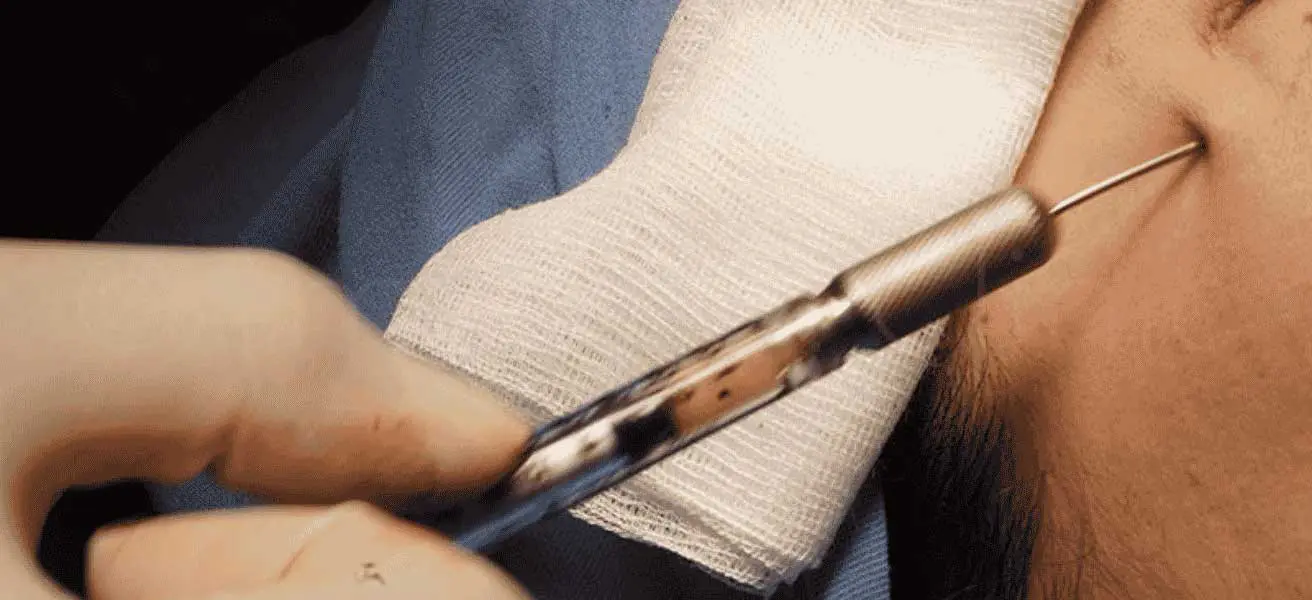
Facial fat grafting is typically completed in a single visit and takes 45 to 60 minutes under local anaesthesia. The process happens in three stages:
Because the procedure uses the patient's own fat, there is no risk of allergic rejection, unlike synthetic fillers or implants.
| Facial Fat Grafting | Dermal Fillers | Facial Implants | |
|---|---|---|---|
| Material | Your own fat cells | Synthetic/biosynthetic gel (e.g. hyaluronic acid) | Synthetic (silicone, medical-grade plastic) |
| Rejection risk | None (autologous) | Low, but possible allergic reaction | Possible foreign-body reaction |
| Longevity | Years, often long-term | 6–12 months, gradually absorbed | Permanent, but may need revision |
| Downtime | 1 week | Minimal, 1–3 days | 1–2 weeks |
| Anaesthesia | Local | Topical/local | General |
| Best for | Larger volume loss, natural feel | Quick touch-ups, smaller areas | Structural, permanent change |
Facial fat grafting is a surgical procedure, so some downtime is expected, this is the main reason it's not (yet) as common as non-surgical fillers.
You may be a good candidate for facial fat grafting if you:
A consultation with an accredited liposuction doctor is the best way to confirm suitability, as facial anatomy, skin quality and ageing patterns vary from person to person.
Achieving results that look refreshed rather than "done" requires more than technical skill. It calls for a deep understanding of facial anatomy, precise judgement on how much fat to remove and where to place it, and years of hands-on experience.
Dr Puah describes body sculpting, facial fat grafting included, as 30 percent science and 70 percent art. Much like a sculptor uses training and a chisel to shape raw material into a refined form, Dr Puah combines clinical expertise with an artistic eye to shape natural, proportionate facial contours.
Considering facial fat grafting? Book a consultation with Dr Ivan Puah to find out if it's right for your face and goals.
Facial fat grafting transfers fat from one part of your body to your face to restore lost volume, smooth wrinkles, and improve contour, using your own tissue instead of synthetic fillers or implants.
Once transferred fat cells establish a blood supply, results typically last several years, and for many patients the effect is considered long-term.
The procedure is done under local anaesthesia, so there's no pain during treatment. Expect mild soreness, swelling and bruising for one to two weeks afterward.
Most visible swelling and bruising resolves within two weeks. Many patients resume light activities within a few days and strenuous exercise within two to three weeks.
Fillers use synthetic gel that the body gradually breaks down, requiring repeat treatments. Fat grafting transplants your own living fat cells for a more natural feel and longer-lasting results, though it involves a longer procedure and recovery.
The syringe liposculpture technique used for fat harvesting involves very tiny incisions that typically leave minimal to no visible scarring.