
Wondering if you qualify for breast fat transfer? Check BMI range, health criteria, and contraindications reviewed by an MOH-accredited doctor.
September 12, 2026


Public parking available or drop off along Arab Street, Village Hotel Bugis (Previously known as Golden Landmark Hotel)
Buses (2, 12, 32, 33, 130, 133, 133A, 520, 960, NR7) MRT (alight at Bugis MRT station)


Containing up to 100 chemicals, tattoo ink contains toxic chemicals & heavy metals that are released in our body, leading to serious health issues like cancer.
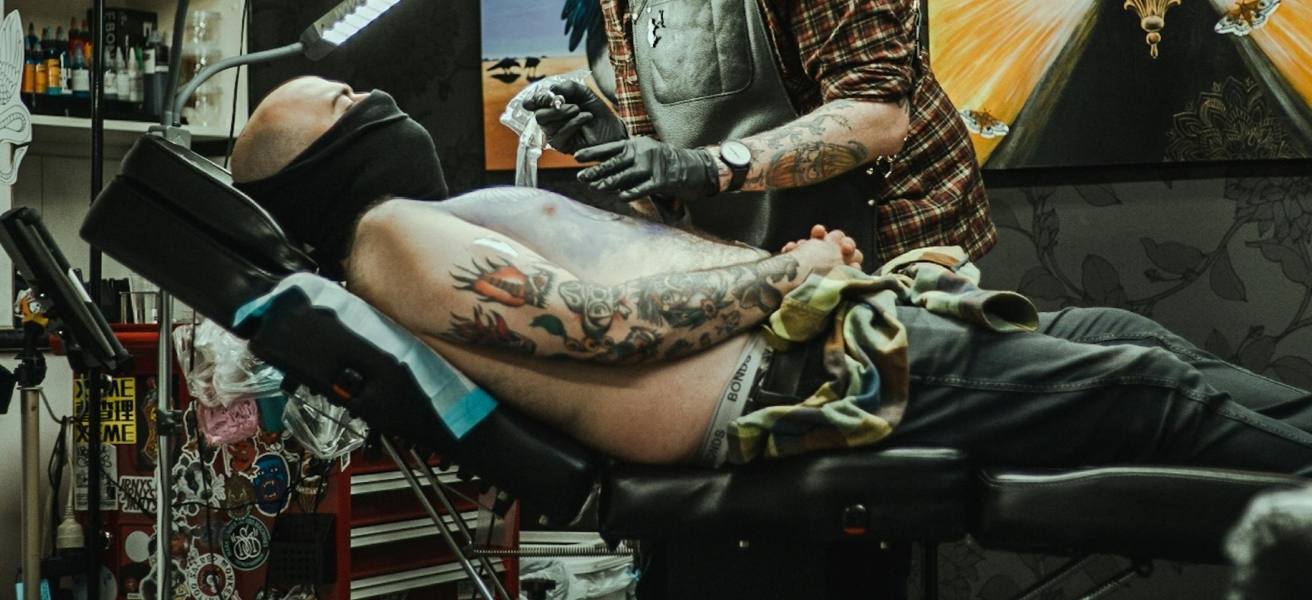
One in 10 Singaporeans has at least one tattoo, according to a 2019 YouGov poll [1]. Market research predicted that tattoo sales revenue in Singapore would rise from $23.456 million in 2021 to $44.912 million by 2033 [2]!
Despite the prevalence of body art and cosmetic tattoos in Singapore, tattoo inks are not as strictly regulated as medications.
Containing up to 100 chemicals, tattoo ink may hold potentially toxic chemicals and heavy metals that are released as nanoparticles in our body, which may lead to serious health issues.

Unfortunately, Singapore does not have specific rules or required approvals for tattoo ink ingredients. The Health Sciences Authority (HSA) typically regulates health products, such as beauty products, cosmetics and medical devices, so the tattoo industry has to rely on its own standards and self-regulation.
While Singapore prioritises hygiene and the ethical practices of tattoo artists, the safety of the ink largely depends on consumer awareness and the artists themselves.
Some artists in Singapore take it upon themselves to only use tattoo inks that comply with EU REACH guidelines due to their genuine concern with the presence of heavy metals and cancer-causing substances in the ink [3].

EU REACH stands for Registration, Evaluation, Authorisation, and Restriction of Chemicals in Europe. It is a crucial European Union rule that protects human health and the environment from harmful chemicals.
This mandatory legislation applies to all industries, including tattoo and permanent cosmetic inks. It requires manufacturers to test, register, and control the chemicals in their products, ensuring they are safe for human skin.

Skin cells called macrophages can absorb tattoo pigments [3, 4], altering our bodies and increasing our risk of cancer due to the chemical make-up of tattoo inks.
While the composition of black ink has not changed much over the past decades, the make-up of coloured inks has changed since the 70s.
Often using pigments meant for industrial products like plastics and paints [3], which contain toxic metals such as mercury, cadmium, chromium, cobalt, and lead, coloured tattoo inks have now been replaced with synthetic organic pigments, such as azo dyes and polycyclic compounds, including phthalocyanines.
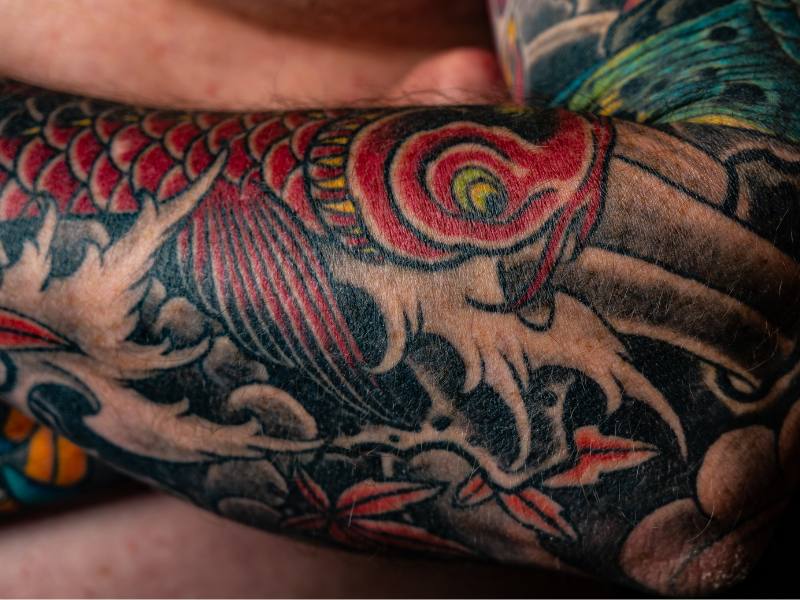
A survey revealed that about 68% of tattooed people reported dermatology problems, such as:
6.6% reported systemic reactions after tattooing, including:
After several weeks, 9% of tattooed people reported they still had health problems, while 6% complained that they had persistent skin symptoms, such as scarring, permanently elevated skin areas, or intermittent oedema caused by wetness or touch [5].
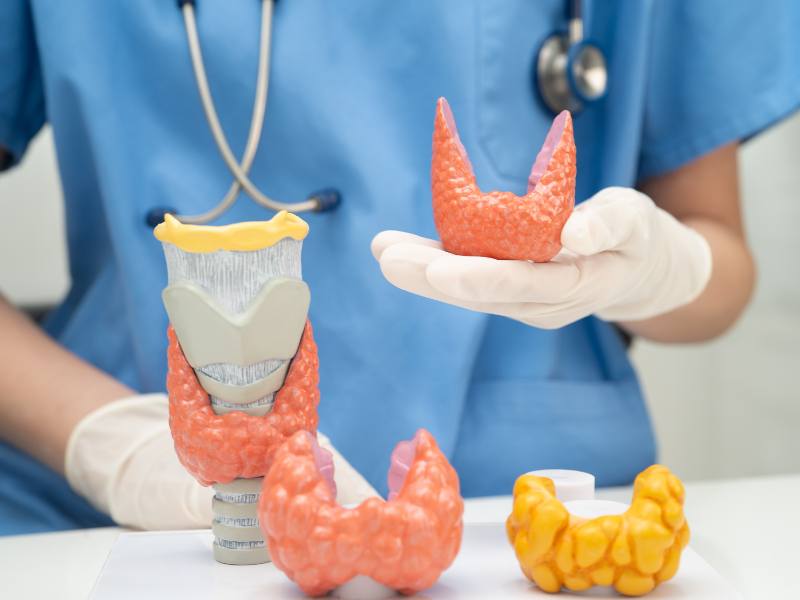
The more tattoos you have, the more lymph nodes may be affected.
A study found that the risk of lymphoma could be three times higher among people with large tattoos than among those without [6].
Tattoo ink particles, including metals and organic materials, can travel from the skin to the lymph nodes, increasing the risk of lymphoma [7].
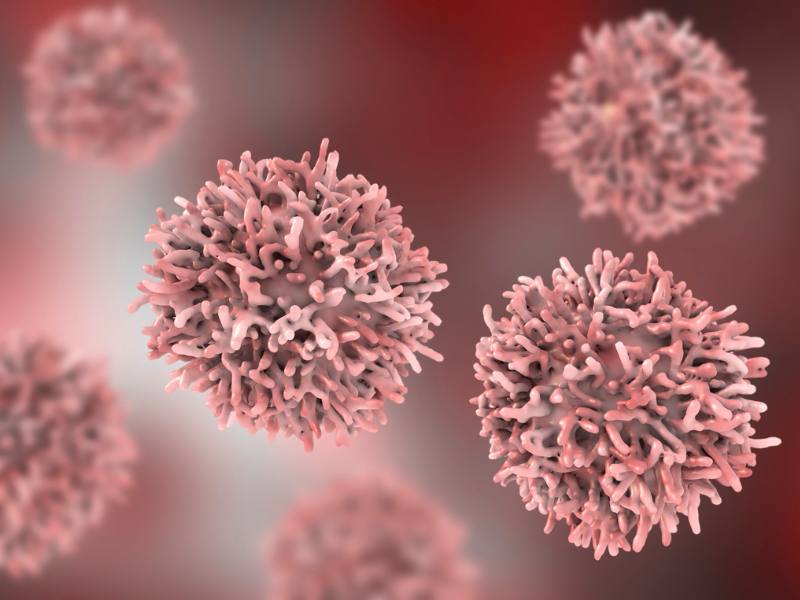
The presence of these ink particles can lead to ongoing stress on the lymph nodes, as the body treats them as foreign [7].
The accumulation of tattoo inks in the lymph nodes could lead to chronic inflammation, which has been associated with cancer development [8, 9].
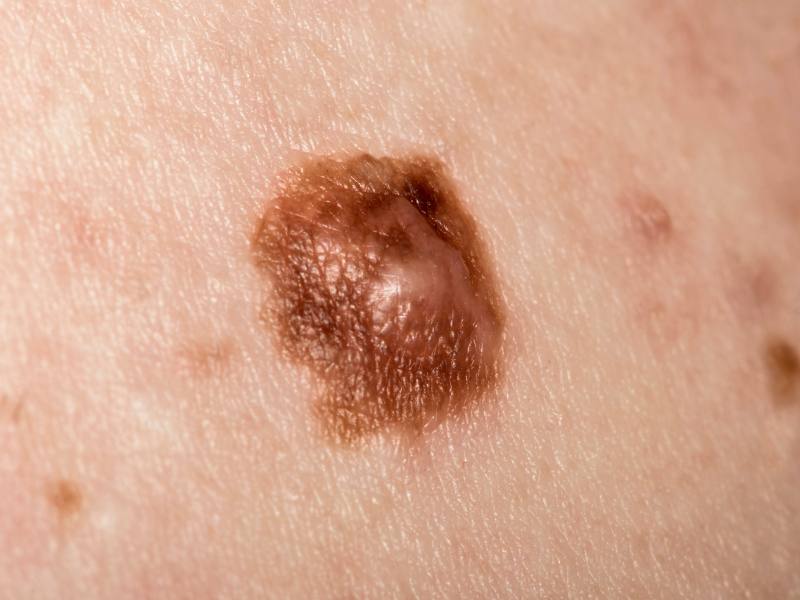
People with tattoos have a 29% higher chance of developing melanoma compared to those without tattoos.
Interestingly, studies have shown that larger tattoos did not show an increased risk of melanoma, despite containing more ink, which might have raised concern, since larger tattoos contain more potentially harmful substances [8, 9].
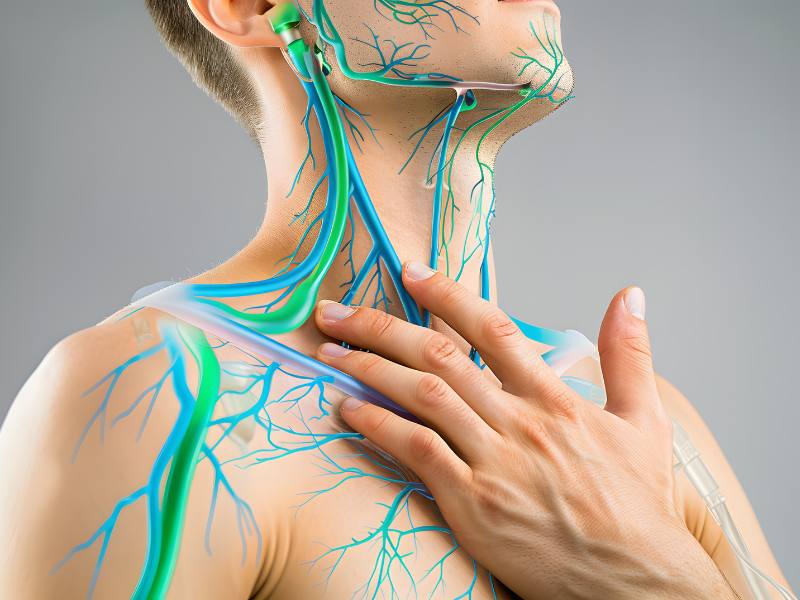
A study examined the toxicity of tattoo inks, focusing on black, red, and green colours.
It was discovered that tattoo ink can travel throughout the body, accumulate in the immune system, and cause cell death as immune cells struggle to break it down. This will cause inflammation that may compromise the body's defences.
The effects were powerful with red and black inks [10].

Researchers investigated the journey of tattoo ink in our bodies, examining its long-term effects on immune responses to vaccination, including mRNA COVID-19 vaccines and influenza vaccines [11,12,13,14].
The result showed that antibody production was reduced after the mRNA COVID-19 vaccine, only when vaccination occurred in the same tattoo-draining area.
In contrast, the flu vaccine responses were enhanced, with black and, especially, red inks boosting specific antibody responses, depending on whether vaccination occurred shortly after or 2 months after tattooing.
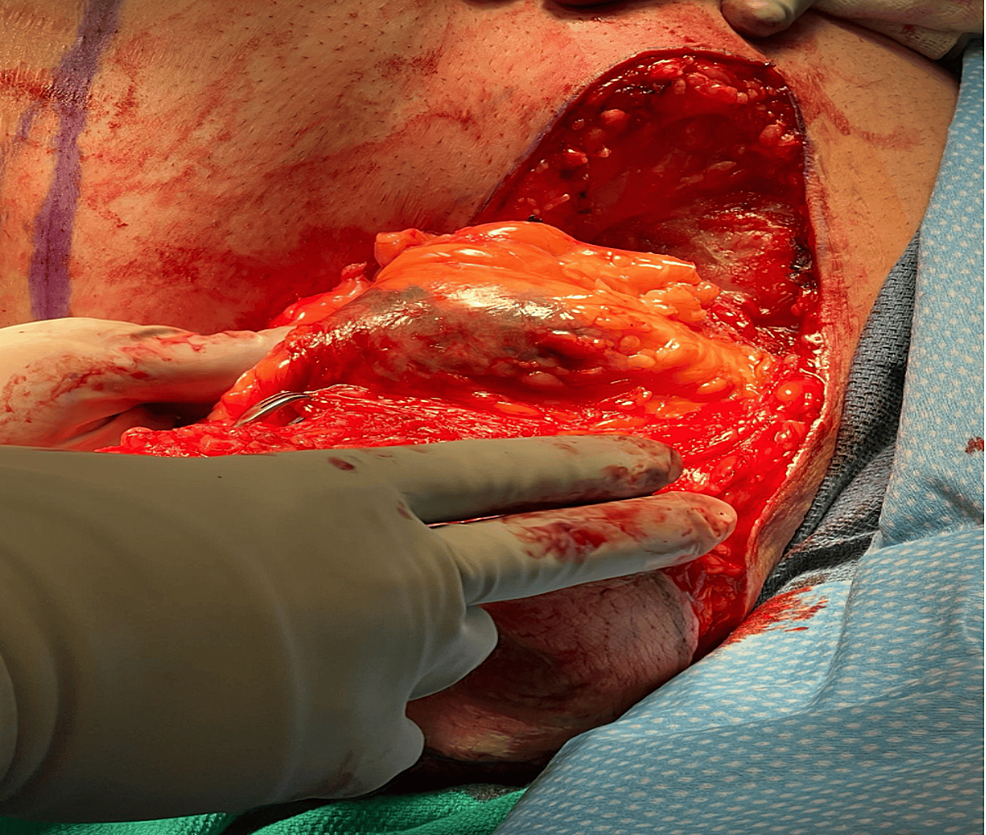
Cail et al. reported a rare case of tattoo pigment in breast tissue in Cureus.
A 39-year-old man had bilateral enlarged glandular tissues. During the gynecomastia surgery, doctors found fatty tissue and an unusual colour in both breasts, similar to his tattoo ink.
The pathology report revealed that the lymph nodes and fat tissue contained a rough, black pigment [15].
Fortunately, no tumours or cancer were found.
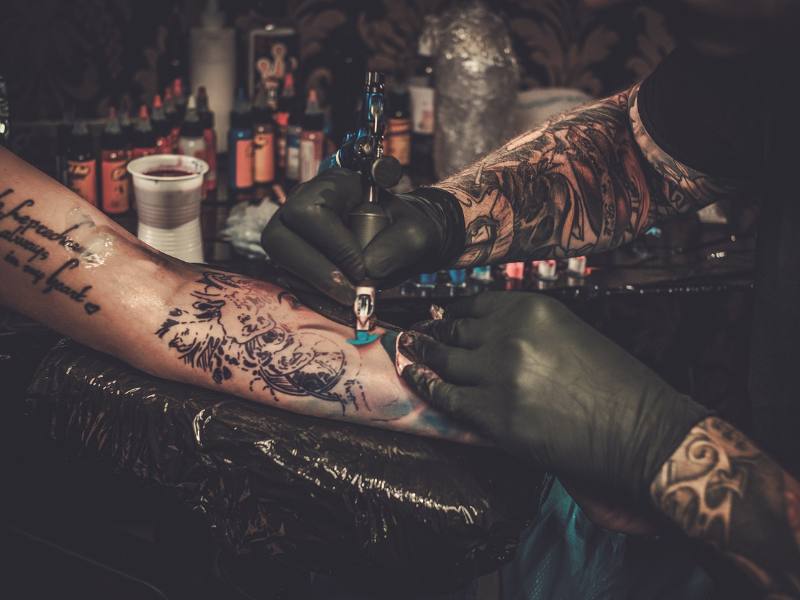
A tattoo salon in Singapore, Thousand Words Tattoo, is advocating the use of RU REACH-compliant inks due to their lower health risks.
With the continuing rise in the number of people with tattoos in Singapore, the studio launched a petition calling on tattoo artists, the public, and regulators to support the mandatory use of compliant inks to safeguard public health.
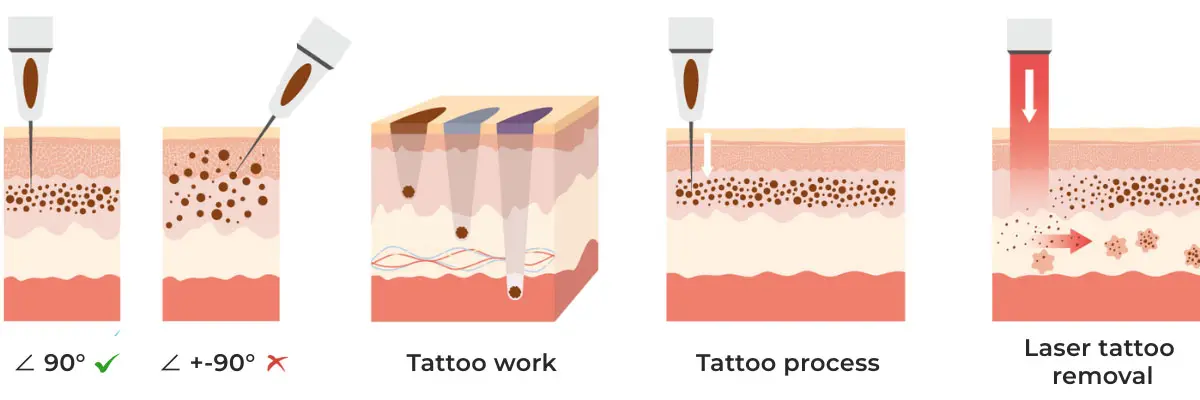
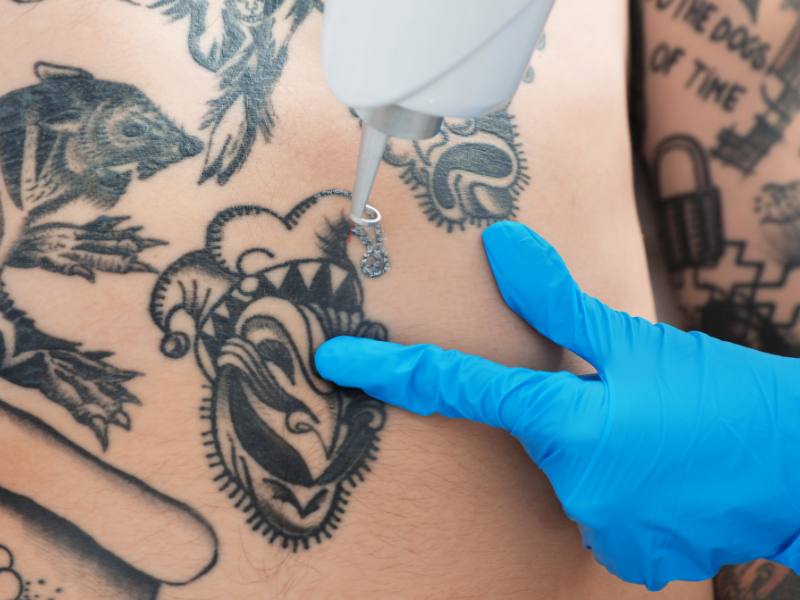
Laser tattoo removal can remove or lighten tattoos. It works by utilising laser technology to deliver short energy pulses to break the tattoo ink into tiny particles, which the body will remove over time through its natural process.
The total number of treatments depends on the tattoo's size and colours, as different ink colours absorb different wavelengths of light.
Some colours, like green, red, and yellow, are more challenging to remove, while dark blue and black are easier.
In Singapore, only an MOH-registered medical practitioner can conduct a laser tattoo removal procedure.

Some research indicates that the ink can remain in the lymph nodes for a lifetime, even after the tattoo is removed. On the other hand, medical consensus on the precise long-term health implications of tattoo ink remaining in the body is still evolving.
Before you get that tattoo, ensure that the tattoo parlour of your choice follows strict hygiene protocols for each customer and uses only high-quality, trustworthy ink brands that are in compliance with REACH for your own health and safety.
Vegan-friendly tattoo inks are cruelty-free and do not contain animal by-products, such as bone char, shellac, or animal glycerin. However, vegan tattoo inks aren't inherently "safer" than traditional ones, as both carry risks.
Opting for black ink may be less risky than coloured ink tattoos, primarily because it is associated with a lower rate of allergic reactions. However, all tattoos carry some level of risk, and there is currently no such thing as a completely "safe" colour because long-term health studies are still ongoing.
Red pigment is known to cause skin reactions and is considered the most harmful because it can contain cadmium, mercury, or iron oxide.
Be careful with large or blackout tattoos that cover a lot of skin. They can increase your risk and make it harder to notice early signs of skin cancer, like colour changes, which are often the first signs of a problem.
The injected pigment is taken up by immune cells. About 60 to 90% of the pigment is then carried to the lymph nodes via the lymphatic system and to other organs, such as the liver, spleen, and lungs, via the blood.
Most tattoos are safe during an MRI scan, but some ink may have metal. If you feel discomfort or heat in your tattoo while scanning, let the radiographer know right away [16].