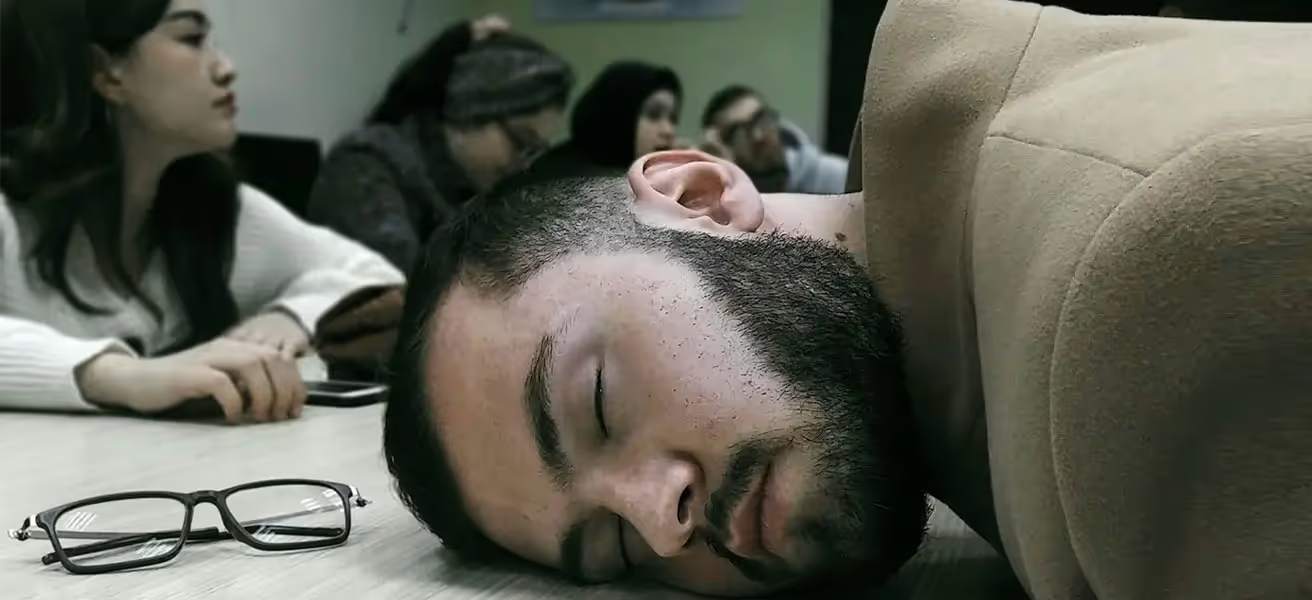
If you’re looking to balance a busy work life without appearing fatigued, here are some effective eye treatments to address dark eye circles effectively.
October 17, 2026


Public parking available or drop off along Arab Street, Village Hotel Bugis (Previously known as Golden Landmark Hotel)
Buses (2, 12, 32, 33, 130, 133, 133A, 520, 960, NR7) MRT (alight at Bugis MRT station)


What happens if you’re eliminating facial expressions through injectables like B*tulinum toxin A (BoNTA)?

Yes, facial expressions play a measurable role in how empathetic and relatable you seem to others. Research suggests that reducing facial movement with B*tulinum toxin A (BoNTA) can change how other people's brains read your emotions, potentially making you seem less empathetic to friends or a partner. The fix isn't avoiding treatment altogether, it's choosing a doctor who softens expression lines rather than eliminating movement completely.

The facial feedback hypothesis proposes that when we see someone's angry or happy expression, we unconsciously mirror it with our own facial muscles. That mirroring sends signals to the brain that help us both recognise and personally experience the other person's emotion.
A UCI research study found that B*tulinum toxin A (BoNTA) injections used to reduce frown lines and other expressions may change how other people's brains interpret and process your emotions, which can, in turn, affect how they interact with you.
Because facial expression and emotional experience are closely linked, reduced expression may also blunt the intensity of your own emotions. Charles Darwin made a similar observation over a century ago in The Expression of Emotions in Man and Animals, noting that suppressing outward emotional signs tends to soften the emotion itself, while expressing it intensifies it.
This matters especially for anyone getting BoNTA to look more attractive while looking for a partner, since blunted empathy can work against the long-term connection they're hoping to build. It's a strong reason to work with an aesthetic doctor who softens frown lines, smile lines, and forehead wrinkles rather than eliminating expression entirely.

There's a flip side worth noting. If stimulating facial muscles intensifies emotion, reducing that stimulation might do the opposite. Some research has found that limiting the forehead's ability to frown may help patients with depression, by interrupting the feedback loop between facial muscles and the brain's emotional processing, not just at the forehead but across the face.
Dermal fillers are popular for a more youthful, attractive appearance, but overdoing them can have the reverse effect, leaving someone looking tired or unnatural.
Even with a conservative approach, frequent filler use over time can cause filler fatigue: reduced skin laxity that becomes noticeable once the filler dissolves, leaving pronounced sagging. In one account, a doctor described mistaking a new patient's filler-related facial changes for signs of a stroke, an example of how significant the visual effect can be.
BoNTA is a neuromuscular blocker that inhibits acetylcholine transmission from nerve to muscle, preventing muscle contraction, which is what softens wrinkles caused by ageing and repetitive movement.
Commonly treated with BoNTA:
It can also:
Beyond cosmetic use, BoNTA is also used to treat hyperhidrosis (excessive sweating in the armpits, forehead, and hands), chronic migraines and headaches, and teeth grinding or jaw clenching.
Look for an aesthetic doctor who understands these nuances, not just one with the right qualifications on paper. They should factor in how reduced facial expression can affect how you come across to friends and colleagues, and how it may influence mental health, so you're never left looking expressionless.
Facial anatomy knowledge and injection experience matter just as much: identifying safe injection sites and avoiding major blood vessels reduces the risk of complications. Skilled, experienced injectors can deliver safe, natural-looking results tailored to each patient's needs.
For natural-looking results with FDA-approved B*tulinum toxin A (BoNTA) and dermal fillers, book your appointment with Dr Ivan Puah today.
Research from UCI suggests that reducing facial expressions with BoNTA can change how other people's brains interpret and process your emotions, which may affect how empathetic or relatable you come across in friendships and relationships.
The facial feedback hypothesis proposes that mimicking another person's facial expression sends signals to the brain that help you interpret and personally experience their emotional state, a largely unconscious process.
Some research suggests that limiting the forehead's ability to frown may ease symptoms in patients with depression, by interrupting the feedback loop between facial muscles and emotional processing in the brain.
Filler fatigue refers to reduced skin laxity from frequent or excessive dermal filler use, which becomes noticeable as sagging or "droopiness" once the filler dissolves.
Choose an aesthetic doctor experienced in dosing and placement who softens expression lines rather than eliminating facial movement entirely, preserving natural-looking emotional expression.