Weekdays 9:30am - 7pm.
Alternate Saturdays 9am - 5pm.
Red orchid flowers in a vase with the text Amaris B. Clinic on a white wall in the background.
Getting Here
By Car/Taxi

Public parking available or drop off along Arab Street, Village Hotel Bugis (Previously known as Golden Landmark Hotel)

By Public Transport

Buses (2, 12, 32, 33, 130, 133, 133A, 520, 960, NR7)  MRT (alight at Bugis MRT station)

Follow us
Red orchid flowers in a vase with the text Amaris B. Clinic on a white wall in the background.
Getting Here
Follow us

Get In Touch

Adolescent Gynecomastia in Singapore: Symptoms, Diagnosis,Treatment Guide

Apr 1, 2022
Jul 26, 2026
Medically reviewed by:
Dr Ivan Puah, MBBS, MOH-Accredited Lipo Doctor, Chairman of Lipo Peer Review Committee

Teenagers may not be comfortable discussing gynecomastia. Here are some helpful ways to detect if your child or family members is suffering from gynecomastia.

adolescent gynecomastia

Table of Contents

Adolescent gynecomastia is the enlargement of breast tissue in teenage boys, caused by a temporary hormonal imbalance during puberty. It affects up to 60% of teenage boys during puberty, and resolves on its own in about 95% of cases within two years. If it persists beyond two years, it typically becomes permanent, and gynecomastia surgery is the only proven way to remove the excess glandular tissue.

Key Takeaway

  • Adolescent gynecomastia affects up to 60% of boys during puberty, but resolves on its own in about 90% of cases within two years. 
  • Gynecomastia that persists beyond two years typically becomes permanent, and surgical intervention is recommended. 
  • The emotional impact matters as much as the physical. Give your son the assurance that you will provide all the support needed by showing him empathy.
  • Boys often hide the condition out of embarrassment, which can lead to withdrawal or low self-esteem. Hence, a supportive, judgment-free conversation is as important as the medical treatment itself.
  • Doctors typically rely on a physical exam and pinch test rather than hormone blood tests to confirm gynecomastia in teenagers.

What Is Adolescent Gynecomastia?

Gynecomastia is the enlargement of male breast tissue, caused by a hormonal imbalance. It can affect one breast (unilateral) or both (bilateral).

This is different from pseudogynecomastia, which is chest fat accumulation without any glandular tissue involvement, and is common in boys and men who are overweight or obese.


Condition Cause Tissue type Resolves with diet/exercise?
GynecomastiaHormonal imbalanceGlandular breast tissueX
PseudogynecomastiaExcess body fatFatty tissue only

How Common Is It? (Key Statistics)

  • Nearly 60–70% of adolescent boys develop some degree of gynecomastia during puberty, according to research published in the New England Journal of Medicine.
  • About 90% of these cases resolve naturally without treatment.
  • Cases that persist for more than two years usually do not resolve on their own.

Signs and Symptoms: How to Tell If Your Son Has Gynecomastia

Physical signs

  • Visible breast enlargement, sometimes resembling female breast tissue
  • Enlarged areolas
  • Slouching or wearing baggy clothing to hide the chest

Behavioural signs

  • Withdrawal from social or family activities
  • Increased irritability
  • Mood swings
  • Reluctance to remove shirts, even in front of you
  • Avoiding swimming, PE class or any activities that require them to be topless

Physical symptoms

  • Soreness, tenderness, or pain in the breast area
  • Nipple discharge (this is rare)

How to check at home: Gently pinch the breast area with the thumb and index finger. A soft, rubbery, or firm mound of tissue beneath the nipple is a strong indicator of gynecomastia rather than fat. 

A doctor's pinch test and physical examination remain the gold-standard diagnostic methods; blood hormone tests will be ordered when necessary for adolescent gynecomastia. 

Why Do Teenage Boys Get Gynecomastia?

The root cause is a temporary imbalance between estrogen and testosterone during puberty:

  • Testosterone drives male traits, muscle mass, and body hair.
  • Estrogen drives female traits, including breast tissue development.
  • During puberty, estrogen levels can spike relative to testosterone, triggering breast tissue growth.

Important fact for parents: breast tissue volume does not change with weight loss or gain, so diet and exercise cannot resolve gynecomastia.

Hormonal gynecomastia also occurs at two other life stages:

  1. In newborns (both sexes), due to residual maternal estrogen.
  2. In older men around age 60, during "andropause," testosterone naturally declines.

How Is Teenage Gynecomastia Diagnosed?

According to Dr Ivan Puah, Medical Director at Amaris B. Clinic, diagnosis in teenagers relies primarily on clinical evaluation rather than lab work: "History taking and physical examinations such as pinch tests are the keys to diagnosing if the patient is suffering from gynecomastia for this group of patients."

A typical diagnostic consultation includes:

  1. Pinch and touch test, checking for fibrous, firm glandular tissue
  2. Skin laxity assessment
  3. Evaluation of excess chest fat
  4. Medical and family history review

What's the Best Treatment for Teenage Gynecomastia?

Gynecomastia surgery is currently the only medically proven permanent solution. Non-surgical options creams, lotions, supplements, or fat freezing/CoolSculpting cannot remove glandular breast tissue, only fat.

Adolescents are considered good candidates for early surgical correction because:

  • Younger skin is more elastic and contracts back more effectively post-surgery
  • Skin pliability decreases with age, so earlier treatment tends to produce better cosmetic outcomes

Will it come back after surgery?

When performed correctly, gynecomastia surgery permanently removes the tissue. Recurrence risk increases if the patient:

  • Uses anabolic steroids
  • Takes certain medications (e.g., some antidepressants)
  • Gains significant weight post-surgery

Maintaining a healthy, stable weight after recovery is the best way to preserve results.

How to Talk to Your Teenage Son About Gynecomastia

Boys with gynecomastia often hide the condition out of embarrassment, which can lead to low self-esteem, depression, or social withdrawal. When approaching the topic:

  • Choose a private, low-pressure moment
  • Optimal privacy: Avoid raising the topic in front of others
  • Reassure that the condition is common and can be permanently and effectively treated in Singapore
  • Avoid judgmental language about weight or body image
  • Emphasise that a doctor's consultation is a normal, supportive next step
  • Warn against unproven "quick fix" products before seeking medical advice

Choosing a Gynecomastia Doctor in Singapore

Gynecomastia presents in varying degrees of severity, so an accurate diagnosis from an experienced gynecomastia doctor is essential before deciding on treatment.

Look for a doctor who:

  • Has specific, documented experience in gynecomastia procedures, not just cosmetic surgery
  • Offers a private, thorough consultation including a physical exam
  • Explains both surgical and non-surgical findings clearly to the patient and parents

If you think your child may be suffering from gynecomastia, do not hesitate to schedule an appointment with a doctor for a private consultation.

FAQ

At what age does teenage gynecomastia usually appear?

During puberty, typically between ages 12 and 16, when hormone levels fluctuate.

Will my son's gynecomastia go away on its own?

In up to 90% of cases, it resolves spontaneously. Most cases resolve within 1 to 2 years, though some sources report regression over 1 to 3 years. Breasts larger than 4 cm in diameter may not completely regress.

If it does not resolve after two years, it is unlikely to do so without intervention. At that point, surgical treatment is considered the definitive option. 

Can exercise or dieting get rid of teenage gynecomastia?

No. True gynecomastia is glandular tissue - firm, rubbery breast parenchyma that sits directly beneath the nipple. Diet and exercise cannot eliminate glandular tissue.  Even targeted chest exercises that build pectoral muscle cannot remove the glandular tissue sitting on top of those muscles.

Is a blood test needed to diagnose gynecomastia in teenagers?

Usually not. Laboratory and radiographic studies are generally unnecessary in suspected pubertal gynecomastia. A physical examination, including the pinch test, assessment of breast size and consistency, and review of medical and family history, is typically sufficient for diagnosis in this age group.

Blood tests are only indicated if there is significant or rapidly changing breast development, or if the history suggests an underlying pathological cause. 

What is the difference between gynecomastia and pseudogynecomastia?

Gynecomastia is the enlargement of glandular breast tissue, and it feels firm, dense, or rubbery beneath the nipple.

Pseudogynecomastia (sometimes called lipomastia) is fat accumulation on the chest with no glandular involvement. It feels soft and spreads more evenly across the chest. 

Is surgery safe for teenagers?

Yes. Adolescents generally respond well to gynecomastia surgery because their skin has good elasticity, which allows for better skin retraction and contouring after tissue removal. This is a significant advantage as skin pliability decreases with age, so earlier treatment tends to produce better cosmetic outcomes.

Gynecomastia surgery carries low risks and few complications when performed by an experienced doctor. However, just like any surgery, a thorough pre-op assessment and strict compliance with post-op protocols are critical for optimal results.

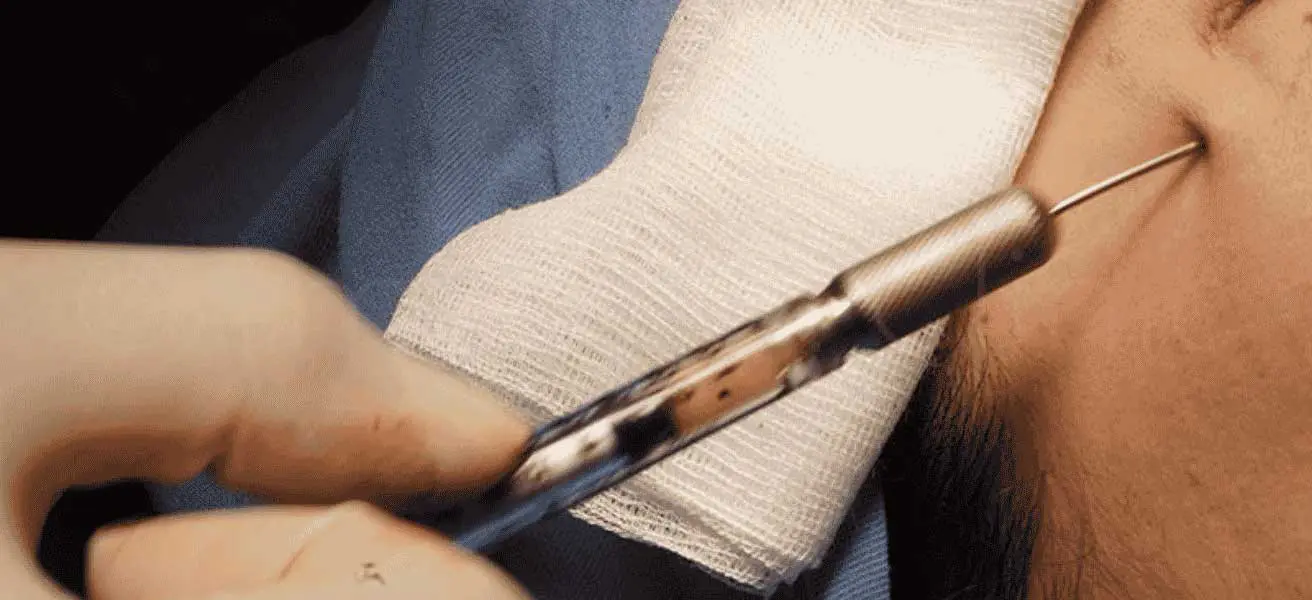
SCARLESS GYNECOMASTIA SURGERY WITH 360°GTD® TECHNIQUE

Aims to achieve a more natural result by addressing the chest from all angles, ensuring a well-contoured and balanced appearance.

Reference

read other blogposts

Gynecomastia Grades

Learn the 4 gynecomastia grades, what they look like, how to self-check your severity, and which treatment suits each stage.

July 27, 2026
Teen Gynecomastia Singapore

Is your teen son dealing with enlarged breasts? Learn the causes of adolescent gynecomastia, when it resolves on its own, and when surgery in Singapore is the

July 26, 2026
adolescent gynecomastia

Teenagers may not be comfortable discussing gynecomastia. Here are some helpful ways to detect if your child or family members is suffering from gynecomastia.

July 26, 2026
gynecomastia surgery doctor

Learn what to look for in a gynecomastia surgery doctor in Singapore (credentials, technique, cost, and red flags) before booking your consultation.

July 25, 2026
gynecomastia NS Singapore

Gynecomastia (male breast enlargement) won't go away with diet or exercise. Learn the grades, causes & surgery options before starting NS in Singapore.

July 25, 2026
gynecomastia in teenagers

Is your teenage son hiding enlarged male breasts? Learn the signs, psychological effects, and proven treatment options for teen gynecomastia from Dr Ivan Puah.

July 25, 2026