Who qualifies for breast fat transfer in Singapore? Check health criteria, donor fat, contraindications and timing after pregnancy.
October 26, 2026


Public parking available or drop off along Arab Street, Village Hotel Bugis (Previously known as Golden Landmark Hotel)
Buses (2, 12, 32, 33, 130, 133, 133A, 520, 960, NR7) MRT (alight at Bugis MRT station)


Read more on gynecomastia, testicular cancer and male breast cancer, and a case study on incidental finding of DCIS found in a patient treated by Dr Ivan Puah.
Gynecomastia is usually benign, but it can occasionally signal underlying conditions such as testicular cancer (present in roughly 10% of testicular cancer cases) or, rarely, male breast cancer. A documented case saw Ductal Carcinoma In Situ (DCIS) discovered incidentally in a 32-year-old gynecomastia patient's excised tissue, leading to life-saving treatment. Dr Ivan Puah recommends histological evaluation of all excised gynecomastia tissue and prompt medical evaluation for any persistent breast changes or lumps.
Gynecomastia, enlarged male breast tissue, affects up to 65% of men globally. While it's often benign and linked to hormonal fluctuations during puberty, ageing, medications, chronic illness, or underlying tumours, Dr Ivan Puah, an MOH-accredited liposuction doctor with vast experience in male chest contouring and gynecomastia surgery and lead author of a study on Surgical Management of Gynecomastia in Asian Men, emphasises that gynecomastia isn't purely cosmetic.
Surgical correction also creates an opportunity to evaluate excised tissue for abnormalities that may otherwise go undetected.
Gynecomastia has been associated with systemic conditions including:
Most gynecomastia cases stem from harmless hormonal shifts, but breast enlargement can occasionally be an early signal of testicular cancer. Roughly 7-11% of testicular cancer cases first present as unexplained breast growth, and approximately 2% of men with gynecomastia are later found to have testicular tumours [1, 2].
Male breast cancer is rare, accounting for less than 1% of all breast cancer diagnoses, though a 2024 study suggests its occurrence is gradually increasing. It can closely resemble gynecomastia in presentation, particularly beneath the nipple area, which can make early detection more difficult and underscores the importance of proper medical evaluation.
Why detection can be difficult: Men diagnosed with breast cancer are often diagnosed at later stages than women, delaying critical treatment.
While imaging typically shows irregularly shaped masses with jagged edges and sometimes calcium deposits, similar to female breast cancer presentations, male breast cancer masses can occasionally appear deceptively benign, presenting as smooth, oval-shaped lumps [3].
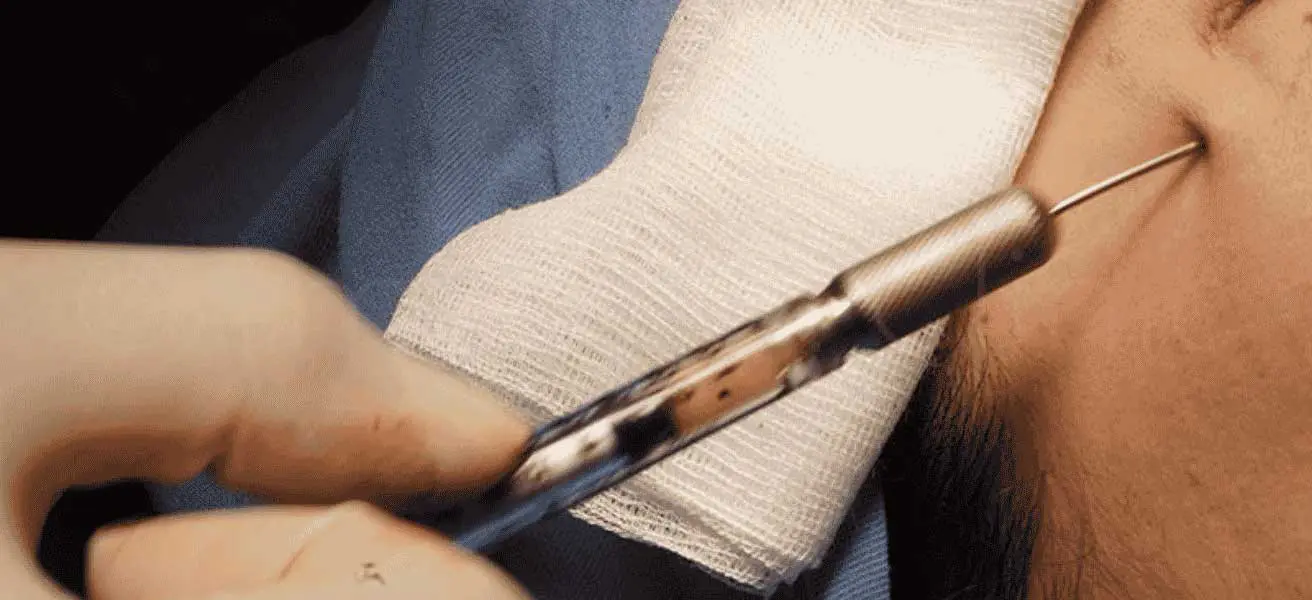
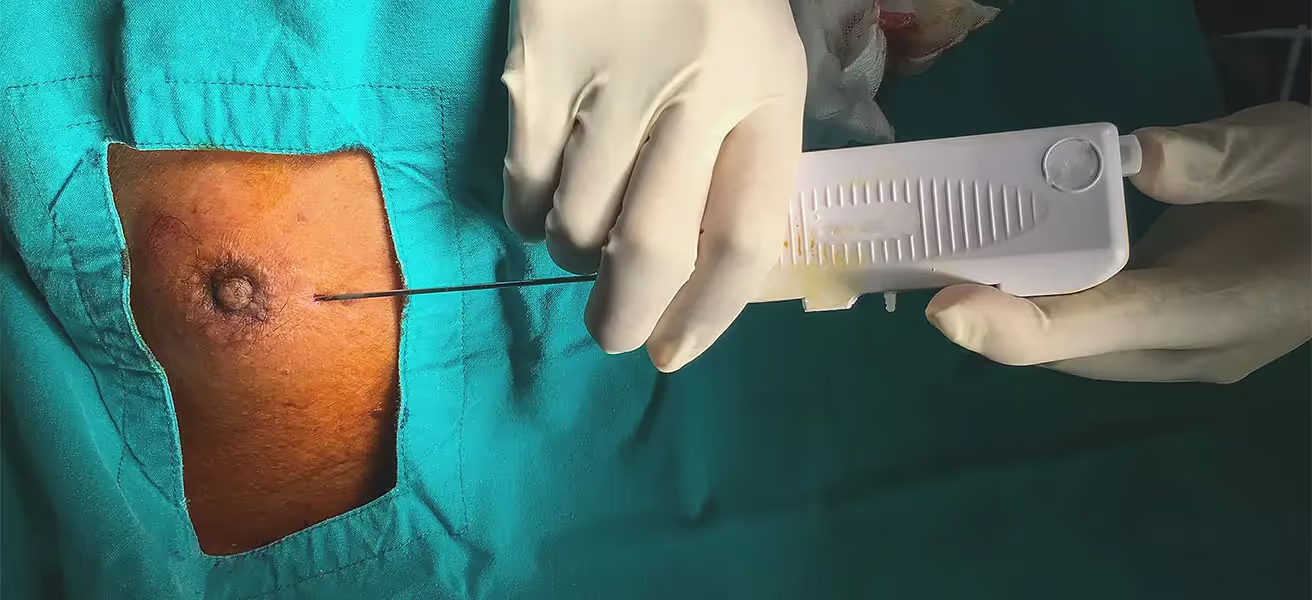
Because of this unpredictability, Dr Puah advises that any solid lump in male breast tissue be biopsied for accurate diagnosis.
Gynecomastia tissue from a young patient was found to contain Ductal Carcinoma In Situ (DCIS), a precancerous condition affecting the milk duct cells. The discovery led to life-saving bilateral mastectomies [4, 5].
A patient with a history of prostate cancer underwent gynecomastia surgery. Histological analysis of the excised tissue detected metastatic prostate cancer cells, but the delayed diagnosis resulted in a poor prognosis requiring aggressive estrogen-analog treatment [6].
Patient profile: Male, early 30s, Grade III gynecomastia present for several years.
Clinical presentation: Physical examination revealed classic gynecomastia symptoms, bilateral swollen breasts with tenderness, fat tissue, and skin redundancy. Thorough blood investigations were ordered to assess relevant hormone and health profiles.
Procedure: Surgery combined the MDC-Sculpt® Lipo technique to remove excess fat with the 360° GTD® technique to excise dense glandular tissue.
Finding: Routine histological assessment of the excised tissue revealed Ductal Carcinoma In Situ, a non-invasive precancerous condition. This was an incidental finding, as the patient showed no clinical signs of malignancy such as nipple retraction or bloody discharge.
Outcome: Dr Puah and the medical team immediately coordinated with specialists to arrange further investigation and follow-up care.
"This case stands out to me for two reasons. First, it reinforces a key message I share with every patient: gynecomastia surgery isn't just about aesthetics, it provides an opportunity to scrutinise tissue that has been growing, sometimes for years, without supervision. Second, it highlights the importance of meticulous surgical protocols and thorough diagnostics, even in seemingly straightforward procedures," Dr Ivan Puah, Medical Director of Amaris B. Clinic and Chairman of Lipo Peer Review Committee in Singapore.

DCIS is a non-invasive, precancerous condition affecting the cells of the milk ducts. Pure DCIS in men is a very rare disease, representing approximately 5% of all male breast cancers.
Histologically, the predominant appearance of DCIS in men is that of a papillary carcinoma, often with a superimposed cribriform pattern. Because DCIS in men is extremely rare and detection by conventional mammography and ultrasound is often challenging, histological evaluation of excised tissue remains the gold standard for diagnosis.
Men experiencing gynecomastia should treat it as a medical condition worth proper evaluation, not dismiss it as "just fat" or "bad genetics." Persistent breast enlargement, tenderness, or lumps should be assessed by a doctor promptly.
Any solid lump in male breast tissue should be biopsied to rule out malignancy.
In most cases, no, gynecomastia is typically caused by benign hormonal imbalance. However, it can occasionally signal testicular cancer (present in roughly 7-11% of testicular cancer cases) or, rarely, male breast cancer, which is why lumps should be evaluated and any excised tissue examined histologically.
Yes. Dr Ivan Puah routinely sends excised gynecomastia tissue for histological evaluation, since incidental findings such as DCIS or metastatic cancer cells can occur even without visible symptoms of malignancy.
Approximately 2% of men with gynecomastia are later found to have testicular tumours, and roughly 7-11% of testicular cancer cases first present as unexplained breast growth.
It can be. Male breast cancer can closely resemble gynecomastia, particularly beneath the nipple, and imaging can sometimes appear deceptively benign, presenting as smooth, oval-shaped lumps rather than the more typical irregular, jagged-edged masses.
Seek prompt medical evaluation. Any solid lump in male breast tissue should be biopsied to rule out malignancy, and persistent breast enlargement or tenderness should not be dismissed as purely cosmetic.