Pseudogynecomastia Surgery Recovery Timeline: Day-by-Day Guide (Singapore)
Day-by-day pseudogynecomastia recovery guide from Amaris B. Clinic Singapore, what's normal, warning signs, compression vest care, and FAQs.
August 31, 2026


Public parking available or drop off along Arab Street, Village Hotel Bugis (Previously known as Golden Landmark Hotel)
Buses (2, 12, 32, 33, 130, 133, 133A, 520, 960, NR7) MRT (alight at Bugis MRT station)


Pseudogynecomastia can look nearly identical to gynecomastia. The difference lies beneath the surface.
Gynecomastia involves the enlargement of actual glandular breast tissue, while pseudogynecomastia is caused entirely by excess fat accumulation in the chest area, with no gland involved.
For many men in Singapore, the first response is to address it through diet and exercise. This works for some, but not always. Fat distribution in the chest is mainly driven by weight gain, with hormonal factors influencing the interaction between body fat, estrogen, and testosterone.
When lifestyle measures are insufficient, liposuction is the most effective treatment.
At Amaris B. Clinic, pseudogynecomastia is treated using Dr Ivan Puah's MDC-Sculpt® Lipo Technique, which targets and removes chest fat while contouring the chest for a natural, masculine result.
Book your consultation today.
In men, the fat tends to accumulate in the chest and abdomen areas. Fat amassed around the chest area usually results in a puffy or swollen appearance clinically known as lipomastia, adipomastia, or pseudogynecomastia[1].
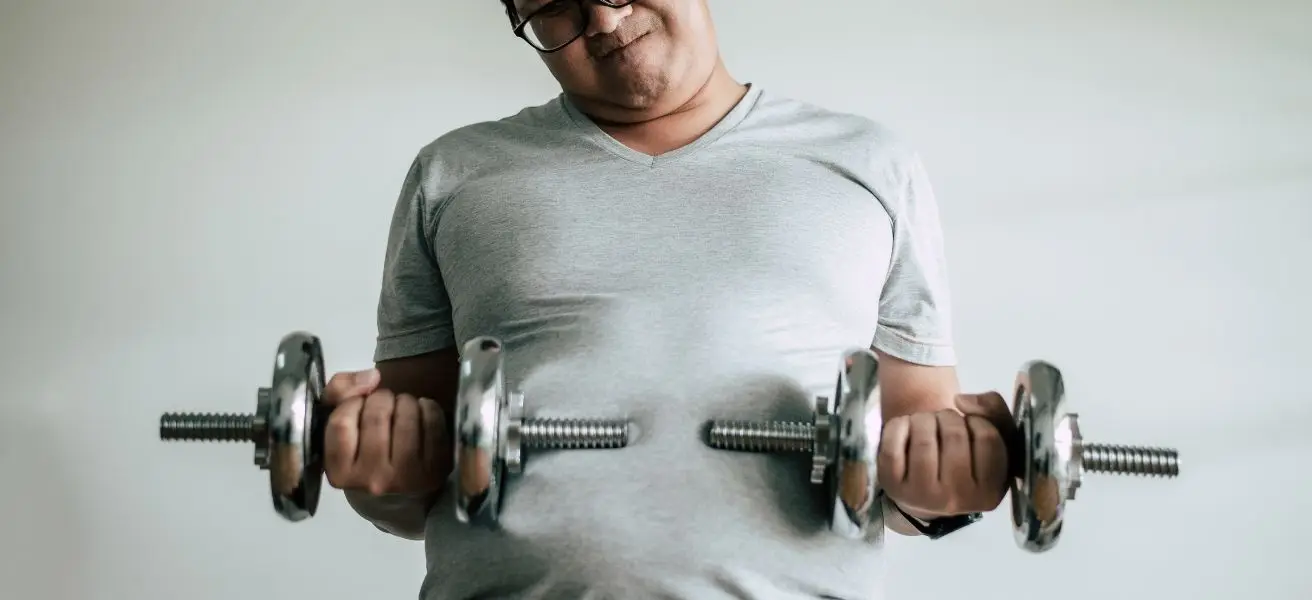
Although it may appear like gynecomastia, pseudogynecomastia is actually the accumulation of excess breast fat. The primary cause of pseudogynecomastia is being obese or overweight.
Poor dietary habits and lifestyle choices can lead to weight gain and excess fat, which may slow metabolism[2].
Increased estrogen levels in men, resulting from excess fat, can lead to the storage of fat in areas like the chest, causing pseudogynecomastia[3].
Fat tissue converts testosterone into estrogen. This process reduces the body's ability to burn fat.
If this issue is not addressed, it can lead to further fat storage, creating an imbalance in the body's hormone levels.
In men, elevated estrogen levels can also cause a loss of muscle mass, fatigue, and mood swings[4].
Low testosterone levels cause an increase in fat storage as the body’s fat-burning capability is reduced[5].
This results in weight gain and the production of excess estrogen.
One common sign of low T is a decrease in libido. Frequent fatigue is also a sign in men[6].
The occurrence of pseudogynecomastia (or lipomastia) is common in Singapore, especially among men with higher BMI. According to HealthHub, obesity in men in Singapore is a notable health concern, rising to 13.1% in 2021-2022 from 11.9% in 2019-2020.
The highest prevalence of obesity in men in Singapore is between the ages of 40 and 49, citing sedentary lifestyles, high-calorie diets, and metabolic changes as the reasons.
While at a glance, gynecomastia and pseudogynecomastia may appear similar, they have distinct causes and characteristics [3].

| Gynecomastia | Pseudogynecomastia | |
|---|---|---|
| Factors | Characterised by the growth of actual breast tissue resulting from hormonal imbalance | Defined by the enlargement of breasts primarily caused by an excess accumulation of fat tissue |
| How to differentiate | Presenting as a firm tissue mass beneath the areola, distinguishable from the surrounding fatty tissue | Not characterised by a mass under the nipple and the breast feels uniformly soft |
| Common causes | Triggered by hormonal fluctuations, specifically changes in androgen and estrogen levels in the body | Develops as a consequence of excessive fat deposits around and within the breasts |
| Treatment options | Surgical interventions like liposuction and gland excision are common treatments | Managed through lifestyle modifications, including changes in diet and exercise |
A simple self-assessment can help distinguish pseudogynecomastia from true gynecomastia by pinching the areola and nipple between your thumb and index finger.
If the area feels soft and pliable, you likely have pseudogynecomastia.
If you feel a firm, rubbery mould, it is most likely gynecomastia, a medical condition that causes enlarged male glandular tissue.
For an accurate diagnosis, seek a thorough assessment by a qualified, experienced medical doctor to determine the appropriate treatment.
For men struggling with excess fat in the chest area, the first course of action often involves embarking on a well-structured diet and exercise program aimed at losing excess chest fat[7].
In cases where diet and exercise prove ineffective, the most effective treatment is chest fat removal and contouring with liposuction.
While non-surgical approaches like low-energy laser treatments and fat freezing have been promoted for treating pseudogynecomastia, they may not yield satisfactory results for every patient.
Dr Ivan Puah's MDC-Sculpt® ️Lipo technique is a proprietary liposuction approach that is tailored to suit each individual's distinct chest shape, fat distribution, and skin laxity.
The procedure involves the use of specially designed cannulas in various sizes and smaller suction tubes. The patient undergoes twilight sedation and local anaesthesia for safety and comfort. Dr Puah then utilises these tools to target fat layers from multiple dimensions to sculpt the chest and encourages skin tightening, a result that traditional liposuction often struggles to achieve.
To address the concern of surgical scarring, Dr Puah strategically minimises incision scars by creating them in a manner that provides efficient access to the fat layers.
The outcome of chest fat removal with the MDC-Sculpt®️ Lipo technique is a natural, well-contoured appearance.
Minimal discomfort and pain.
Return to your usual activities within 2 to 3 days.
Avoid heavy lifting, gym work, and water activities.
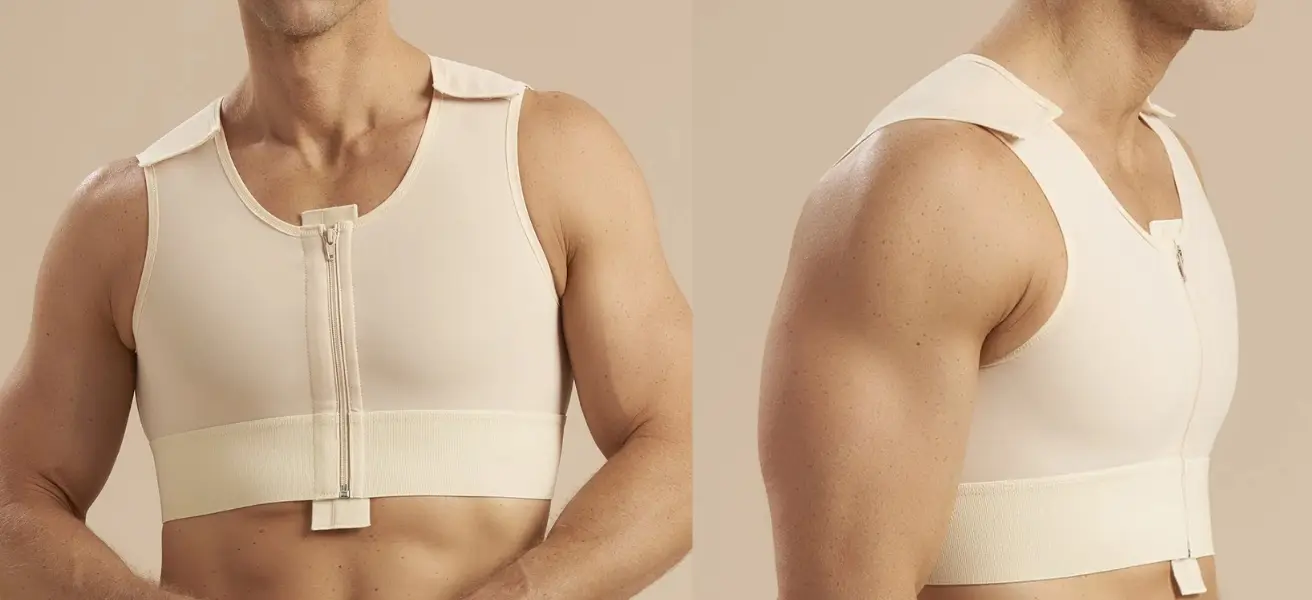
Continue wearing your compression garment to promote smoother recovery.
Swelling typically subsides entirely within 2 weeks.
After 6 weeks, your doctor will advise you on the suitable activities that you may resume, depending on your recovery.
Over the next 3 months, the skin in the treated area will gradually tighten.
You may notice a more sculpted, masculine chest with taut skin.
Pseudogynecomastia surgery, like any other surgery, has its risks and complications.
Possible risks include[8]:
Pseudogynecomastia surgery is an elective surgery, therefore it is not covered under insurance or Medisave.
What affects the cost?
Your total surgical fees vary based on several factors such as:
We provide before-and-after photos privately during your one-on-one consultation with Dr Ivan Puah. You will be able to view anonymised images of actual patients who had undergone pseudogynecomastia surgery.
This allows you to:
Disclaimer: While these clinical visuals are shared in-clinic for your education, MOH strictly prohibits displaying before/after images in ANY public advertising (website, social media, brochures etc.). We fully comply to ensure ethical patient communication, no unrealistic outcome promises and protection of patient privacy. Visual examples are for educational reference only - individual results vary based on your unique condition.
Dr Ivan Puah is an accredited liposuction doctor and Chairman of Lipo Peer Review Committee in Singapore over two decades of surgical body contouring experience.
He has completed fundamental and advanced Vaser Liposuction body sculpting surgical training under Dr John Milard and Dr Alfredo Hoyos in Argentina and Colorado.
Dr Puah is also trained in laserlipolysis (laser liposuction) in Italy and has received dedicated gynecomastia surgery training in San Francisco.
He has developed two proprietary surgical approaches: 360° Glandular Tissue Dissection (360°GTD®) technique for gynecomastia surgery and MDC-Sculpt® Lipo technique for liposuction.

A compression garment does work - in terms of appearance.
The underlying issue has to be addressed appropriately, and the first step is to schedule an appointment with a qualified doctor who is in the best position to advise on the necessary measures.
Thyroid disorders may play a role in gynecomastia, which is the enlargement of male breasts.
However, since pseudogynecomastia consists solely of excess fat, there is no established connection between thyroid problems and pseudogynecomastia.
Results from pseudogynecomastia surgery are permanent, as with all liposuction surgeries. To preserve your new figure, maintain your weight through a healthy lifestyle and nutritious diet.
Pseudogynecomastia surgery involves liposuction alone for fat removal, while gynecomastia surgery needs surgical excision to successfully remove the enlarged glandular breast tissue. If the patient has MIXED GYNECOMASTIA, he also requires liposuction to achieve a more masculine male chest.
Not at all, pseudogynecomastia is merely a cosmetic concern.
Enlarged male breasts can occur in anyone who is overweight or obese, as well as those with a predisposition to gain excess fat in the chest area.
As pseudogynecomastia can appear similar to a woman's breasts, especially those who are obese with sagging skin, men who suffer from this condition tend to feel emasculated. It will lead to inferior self-image, low self-esteem, heightened self-consciousness, and, in the worst-case scenario, a poor quality of life.
You may experience temporary mild discomfort, swelling and bruising on your chest after your pseudogynecomastia surgery, akin to sore chest muscles after an intense workout. This will subside within days, and healing will progress.
Unlike gynecomastia, pseudogynecomastia is not painful or tender to the touch.
Pseudogynecomastia, also called chest fat, is medically known as lipomastia or adipomastia. Other descriptions include fake gynecomastia or fatty male breasts.
Genes can affect body fat distribution, leading to stubborn fat storage in the chest area.
As the male chest becomes fuller with excess fat, changes in the nipples and areolas may be inevitable due to skin stretching from the accumulation of subcutaneous fat in that area. The nipples may protrude or look and feel puffy.
At Amaris B. Clinic, aftercare significantly assists you with faster recovery and ensures optimum results.
We have curated a bespoke aftercare program designed to help you with the healing process, such as MLD Therapy, skin firming and many others.
[1] Erol S, Orhan E, Sevin A, Erdogan B (2010) Trauma: a new pseudogynecomastia cause. Aesth Plast Surg 34:404–405
[2] Deepinder, F., & Braunstein, G. D. (2011). Gynecomastia: incidence, causes and treatment. Expert Review of Endocrinology & Metabolism, 6(5), 723-730.
[3] Yazici, M., Sahin, M., Bolu, E., Gok, D. E., Taslipinar, A., Tapan, S., ... & Kutlu, M. (2010). Evaluation of breast enlargement in young males and factors associated with gynecomastia and pseudogynecomastia. Irish Journal of Medical Science, 179(4), 575-583.
[4] Swartz, J. M., & Wright, Y. L. (2015). MEN'S HORMONES MADE EASY!: How to Treat Low Testosterone, Low Growth Hormone, Erectile Dysfunction, BPH, Andropause, Insulin Resistance, Adrenal Fatigue, Thyroid, Osteoporosis, High Estrogen, and DHT!. Lulu. com.
[5] El-Zayat, S. R., Sibaii, H., & El-Shamy, K. A. (2019). Physiological process of fat loss. Bulletin of the National Research Centre, 43(1), 1-15.
[6] Travison, T. G., Morley, J. E., Araujo, A. B., O’Donnell, A. B., & McKinlay, J. B. (2006). The relationship between libido and testosterone levels in aging men. The Journal of Clinical Endocrinology & Metabolism, 91(7), 2509-2513.
[7] Affara, M. F. K. F., Badawy, M. S., Reyad, K. A., & Mabrouk, A. (2025). Simultaneous treatment of pseudo-gynecomastia and lateral chest in patients with massive weight loss. Aesthetic Plastic Surgery, 49(7), 2015-2022.
[8] Prasetyono, T. O. H., Andromeda, I., & Budhipramono, A. G. (2022). Approach to gynecomastia and pseudogynecomastia surgical techniques and its outcome: a systematic review. Journal of Plastic, Reconstructive & Aesthetic Surgery, 75(5), 1704-1728.

Dr Ivan Puah's novel 360° Glandular Tissue Dissection (360°GTD®) technique minimises surgical invasiveness while achieving cosmetic results.


Dr Ivan Puah's novel 360° Glandular Tissue Dissection (360°GTD®) technique minimises surgical invasiveness while achieving cosmetic results.

Dr Ivan Puah's novel 360° Glandular Tissue Dissection (360°GTD®) technique minimises surgical invasiveness while achieving cosmetic results.